Sesame is gaining attention as a health food! Its appeal and uses
Sesame is attracting a lot of attention as a health food. We will explain in detail its effects and how to use it. Let's make good use of sesame and make our daily meals even healthier.
table of contents
-
Basic knowledge of sesame
-
Types of Sesame
-
The Sesame Longevity Legend
-
-
Nutrition and effects of sesame
-
Nutritional content of sesame
-
The health benefits of sesame
-
-
Recipes using sesame seeds
-
Basic Uses of Sesame
-
Sesame recipe variations
-
-
How to choose sesame products
-
Key points for choosing sesame products
-
How to store sesame seeds
-
-
The appeal of sesame processed products
-
Common sesame processed products
-
Newly released sesame processed products
-
-
Sesame culture overseas
-
Sesame overseas distribution status
-
Sesame recipes from around the world
-
-
The scientific side of sesame
-
Sesame ingredient analysis
-
How to grow sesame
-
-
Initiatives on health foods including sesame
-
Other health food candidates
-
Health Food Initiatives
-
Basic knowledge of sesame
Let's take another look at the basics of sesame, a food that is popular among many people. Learning about the different types of sesame and how to handle them will expand your understanding of its appeal.
Types of Sesame
Sesame is a food ingredient that is popular in many countries, including Japan. There are two main types of sesame that are commonly known: white sesame and black sesame. Each type has its own characteristics, flavors, and uses, so let's take a closer look at the differences between them here.
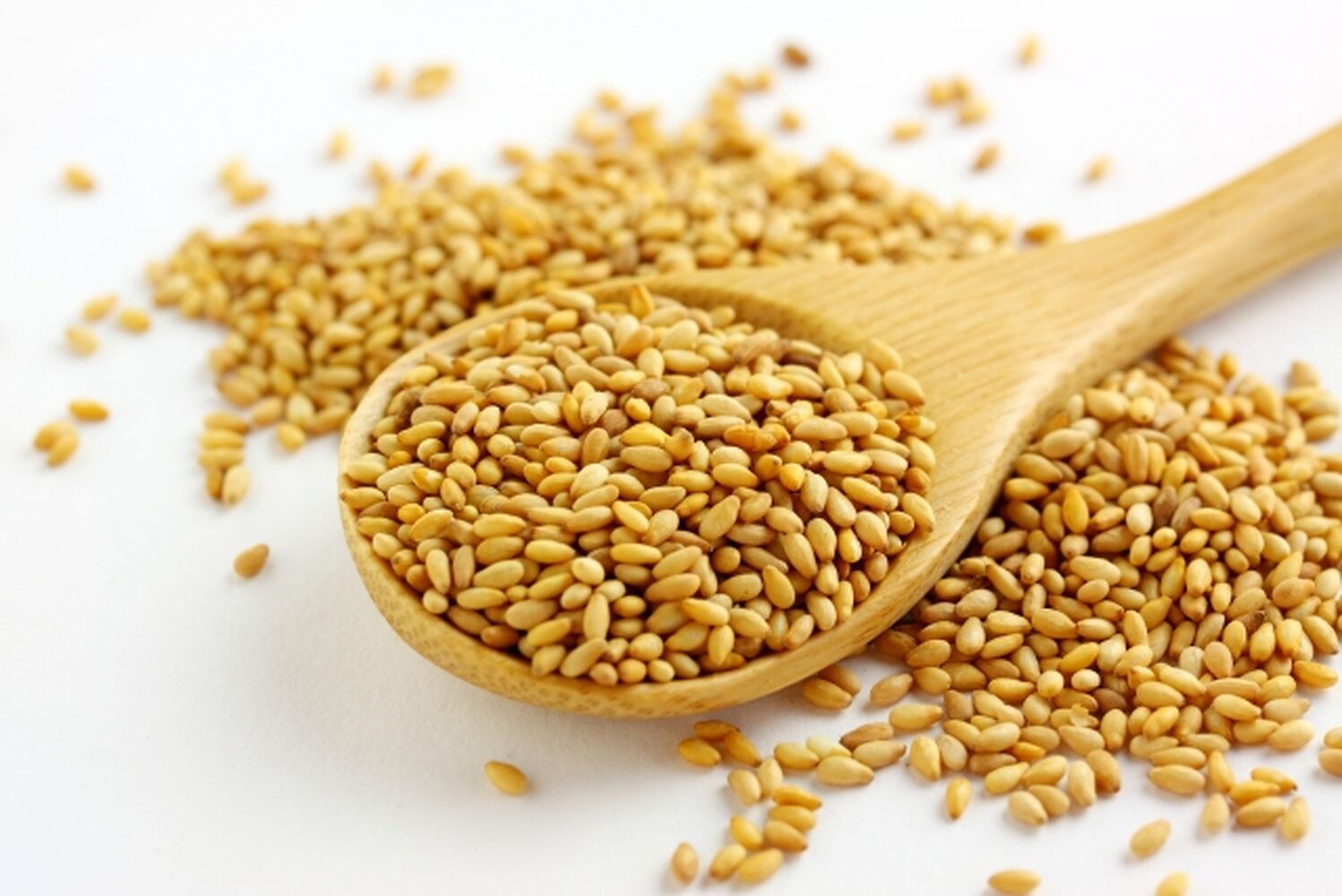
First, let's talk about white sesame seeds. White sesame seeds are generally used widely in cooking. They have a mild flavor and are also sweet, and are often used in stews, salads, and in paste form. White sesame seeds are generally roasted, which enhances their fragrant flavor and makes them even more appealing as an accent to dishes. White sesame seeds also contain many nutrients, including calcium, magnesium, and vitamin E. These nutritional components are important elements of sesame as a health food.
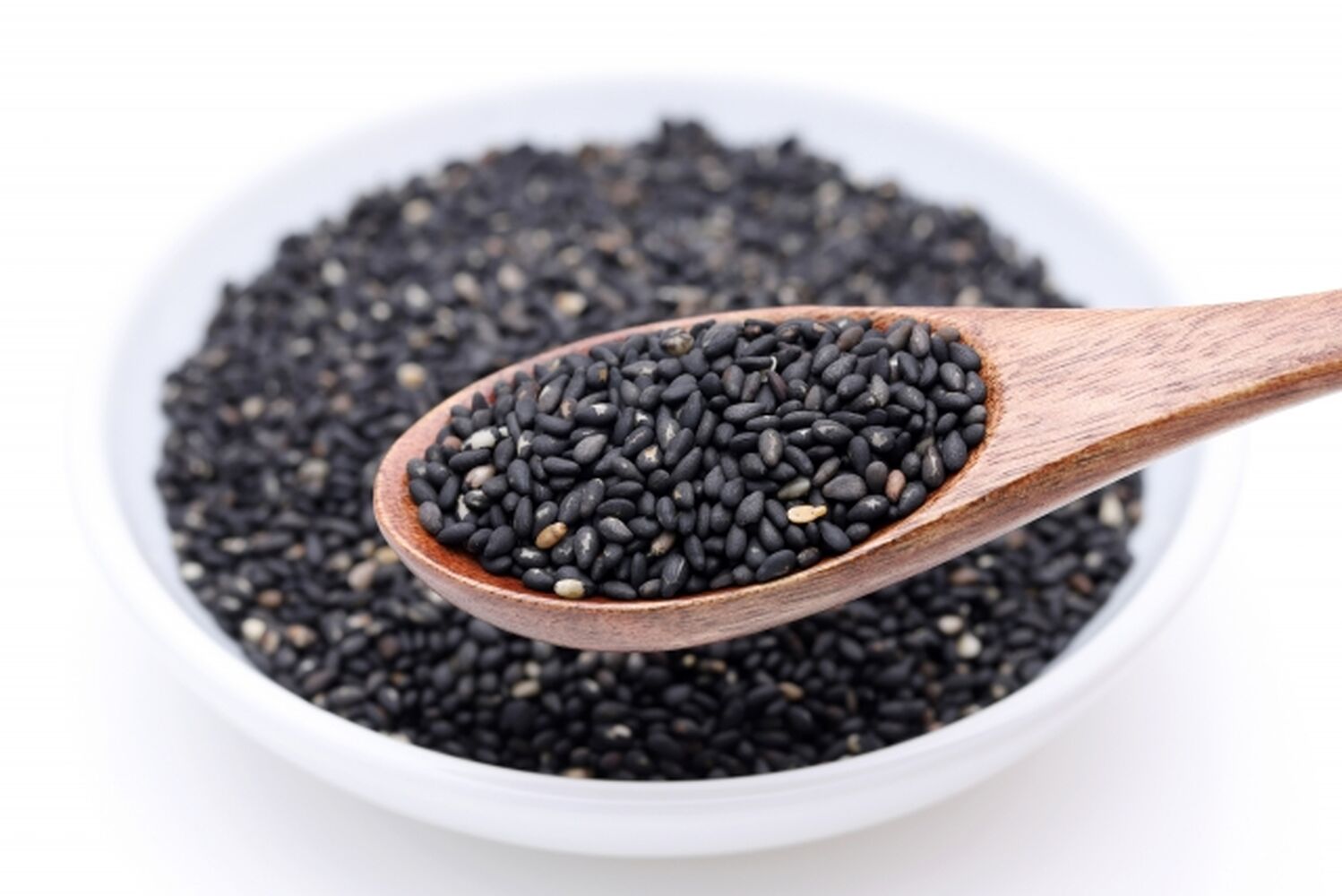
On the other hand, black sesame has a stronger flavor and a fragrant taste. Black sesame not only enhances the taste of ingredients, but also makes a visual impact. Black sesame is often used in traditional Japanese sweets and dishes, and is an important ingredient in Japanese sweets. Black sesame is also rich in antioxidants, which are expected to have health benefits. Black sesame paste in particular is increasingly being used in smoothies and desserts, and can be used in a wide variety of ways.
Different types of sesame have different flavors and uses, so it is important to choose the right type to suit your dish or processed product. Recently, products that combine white and black sesame seeds have also appeared and are used in a variety of dishes. By incorporating sesame seeds into your daily diet, you can make it more nutritious and enjoyable. Understand the appeal of sesame and actively try to incorporate it into your diet. By enjoying different types of sesame seeds to match different dishes, you can make the most of the benefits of sesame as a health food.
The Sesame Longevity Legend
Sesame has long been known as the "seed of longevity" and has a history of being revered. This legend of longevity is thought to be due to the nutrients and health benefits contained in sesame. Since ancient times, sesame has been positioned as a food ingredient symbolizing vitality and has been deeply rooted in many cultures and customs.
First of all, it is interesting to note that sesame seeds were eaten in ancient China. There are many stories in Chinese literature and legends about people who lived longer by eating sesame seeds. For example, one legend tells of an elderly man who ate a lot of sesame seeds, enjoying a long life and maintaining a youthful appearance. In this way, sesame seeds have been passed down for generations as the secret to a long life.
Sesame's rich nutritional content is also an underlying factor in its legend of longevity. Sesame contains antioxidants such as vitamin E, sesamin, and sesamolin, which are said to have the effect of preventing cellular aging. For this reason, incorporating sesame into your daily diet can be a major factor in supporting your health. Sesamin in particular has a blood-thinning effect and is known to contribute to the prevention of lifestyle-related diseases.
Furthermore, in Japan, there are also folklore about longevity associated with sesame. For example, there is a belief, which varies by region, that eating sesame seeds will help you stay young and promote good health. In particular, in regions where many dishes using sesame are made, this ingredient has been treasured as part of the wisdom of generations.
As such, sesame is not just a food ingredient, but plays an important role in symbolizing longevity and health. In order to experience the benefits of sesame, it is recommended that you incorporate it into your daily meals and enjoy a healthy diet. By taking advantage of the nutritional value and health benefits of sesame and incorporating it into your own life, you may be able to experience part of the secret to longevity. Through sesame, you may be able to build a more fulfilling and healthy lifestyle.
Nutrition and effects of sesame
The secret to why sesame is attracting attention as a health food lies in its nutritional content.
Nutritional content of sesame
Sesame is an ingredient that is packed with many attractive health benefits. It is extremely rich in nutrients and contains elements that provide a variety of health benefits. Here, we will take a closer look at the main nutrients contained in sesame.
The first thing to note is the high-quality oil content. Sesame seeds are about 50 percent lipids, and are particularly rich in unsaturated fatty acids. These unsaturated fatty acids are known to contribute to lowering cholesterol and reducing the risk of heart disease and stroke. Sesame oil also contains fatty acids such as oleic acid and linoleic acid, which help with fat metabolism in the body.
Next, sesame seeds are rich in vitamins and minerals. Vitamin E in particular has a strong antioxidant effect and is expected to prevent cell aging. Vitamin E neutralizes free radicals in the body and contributes to maintaining healthy skin and hair. Sesame seeds also contain minerals such as calcium, magnesium, and iron, which contribute to healthy bones and blood.
Sesame seeds also contain dietary fiber, which aids digestion and regulates the intestinal environment. This helps prevent constipation, so it is recommended that you actively consume it. Dietary fiber also helps maintain a feeling of fullness, which helps support dieting.
Another noteworthy ingredient is sesamin, a component unique to sesame. Sesamin has a strong antioxidant effect and is said to be useful in preventing lifestyle-related diseases and improves blood flow. In addition, sesamin is said to have the effect of supporting liver function.
As you can see, sesame is a very nutritionally excellent ingredient, and incorporating it into your daily diet can bring about a variety of health benefits. Why not try incorporating sesame dishes and ingredients into your daily diet and enjoy the rich nutrition it provides? Sesame may be your first step towards a healthier lifestyle.
The health benefits of sesame
Sesame is a food that is expected to have various health benefits thanks to its rich nutritional content. Here, we will look at the specific health benefits of sesame.
First, sesame seeds support cardiovascular health. The unsaturated fatty acids contained in sesame seeds help reduce bad cholesterol and smooth blood flow. Sesamin and vitamin E also have antioxidant properties, which are important for maintaining vascular health. These ingredients are thought to work together to reduce the risk of heart disease and stroke.
Secondly, sesame seeds also contribute to bone health. Sesame seeds are rich in calcium and magnesium, which are essential minerals for bone formation and strengthening. They may be useful in preventing osteoporosis, especially in older adults. Including sesame seeds in your daily diet may help you maintain healthy bones.
Sesame also has excellent beauty benefits. Its abundant vitamin E and antioxidants help prevent skin aging and help maintain healthy skin. It also promotes blood circulation, improving skin metabolism and helping to maintain clear skin. By incorporating sesame into your diet, you can expect beauty benefits from within.
Sesame seeds may also help reduce stress. The sesamin contained in sesame seeds is said to have an anti-stress effect and contributes to relaxation of the mind and body. By actively incorporating sesame seeds into your busy daily life, you can also be an effective stress countermeasure.
Finally, sesame is also noteworthy for its diet support. The dietary fiber in sesame keeps you feeling full for longer, helping to prevent overeating. In addition, the good fats in sesame provide the body with the nutrients it needs as a source of energy.
As you can see, sesame is a food ingredient that has a variety of health benefits, from promoting cardiovascular health to beauty, stress reduction, and dieting. Incorporating sesame into your daily diet may help you achieve a healthier lifestyle. Please try to actively enjoy the delicious and nutritious sesame seeds.
Recipes using sesame seeds
Here are some easy and delicious recipes to help you incorporate sesame into your daily meals.
Basic Uses of Sesame
Sesame seeds are an incredibly versatile ingredient that's easy to incorporate into your cooking, adding flavor and nutritional value. Here we'll take a closer look at some basic ways to use sesame seeds.
First of all, the basic forms of sesame seeds include whole sesame seeds, ground sesame seeds, and roasted sesame seeds. Whole sesame seeds are generally used as a topping for salads, simmered dishes, and grilled dishes. They look gorgeous and their fragrant flavor adds an accent to the dish.
Next, we will look at how to use ground sesame. Ground sesame has a smooth texture and can be used as an ingredient in dressings and sauces. For example, sesame sauce made with ground sesame goes well with vegetable, fish, and meat dishes, and gives them a rich flavor. It is also ideal for dressings and salads, and can add variety to the texture while increasing the nutritional value.
In addition, roasting sesame seeds enhances their fragrant flavor and makes them richer. When roasted sesame seeds are added to soups and simmered dishes, they can bring out a deeper flavor. In particular, in Japanese-style dishes, the fragrant flavor of sesame seeds balances the overall dish and stimulates the appetite.
One of the basic ways to process sesame seeds is to make sesame oil. Sesame oil can be used to finish dishes or in stir-fries to create a fragrant flavor. It is considered an essential seasoning in Asian cuisine. Furthermore, by making roasted sesame seeds, you can easily enjoy the flavorful oil at home.
As you can see, the appeal of sesame seeds is that they can be used in a variety of ways, whether that be using them as is, grinding them, or roasting them. By adding sesame seeds to your daily meals, you can easily increase the nutritional value and make your dishes more delicious. We encourage you to try recipes that use sesame seeds and find your own way of enjoying them. You can incorporate sesame seeds into your diet as an important partner in leading a healthy diet.
Sesame recipe variations
Sesame seeds have a unique flavor and are highly nutritious, so they can be used in a variety of dishes. Here are some easy and delicious recipes using sesame seeds.
First, let's start with sesame dressing. Boil green vegetables such as spinach and komatsuna, then cool them thoroughly in cold water. After draining the water, simply toss them in a sauce made from ground sesame, soy sauce, and sugar. The sesame aroma and umami of the green vegetables combine to create a nutritious dish. Sesame dressing is also colorful, making it a great way to liven up your dinner table.
Next, we will introduce a salad recipe using "sesame dressing." Add vinegar, soy sauce, mirin, and sesame oil to ground sesame seeds and mix well. Simply pour this over your favorite vegetables to easily enjoy a flavorful salad. The crispness of the vegetables and the creaminess of the sesame seeds are exquisitely intertwined, making it the perfect side dish for a main dish.
We also recommend sesame miso soup. Adding ground sesame seeds to regular miso soup will add a rich flavor. Adding tofu or wakame seaweed as ingredients will further increase the nutritional value. The sesame aroma blends beautifully with the dashi stock, making for a special miso soup.
In addition, "sesame pudding" is a popular dessert. Heat milk and cream, and mix with sugar and ground sesame seeds. Simply add gelatin and let it cool and solidify to create a smooth and fragrant sesame pudding. Topping it with brown sugar syrup and seasonal fruit will make it look beautiful and will amaze your friends and family.
As you can see, sesame can be widely used not only in Japanese cuisine, but also in Western cuisine and desserts. Trying out some recipes using sesame will surely enrich your everyday meals even more. Take advantage of the diverse appeal of sesame and enjoy making your own recipes. Adding healthy and delicious dishes to your diet will surely add color to your life.
How to choose sesame products
Here are some points to consider when choosing sesame seeds. We will tell you the criteria for finding high-quality sesame seeds.
Key points for choosing sesame products
When choosing sesame seeds, there are a few points to keep in mind to help you choose a higher quality product. Here we will introduce the basic points to consider when choosing sesame products.
First, it is important to check the expiration date. Sesame seeds contain a lot of oil, so they deteriorate easily over time. When purchasing, choose products that are as new as possible to enjoy the freshest sesame seeds. Avoid products with an expiry date approaching, and try to choose ones with plenty of time left.
Next, pay attention to the country of origin and place of production. The flavor and aroma of sesame seeds vary depending on the place of production. For example, the Middle East and Africa are the main production areas, and Ethiopia and Turkey in particular are known to produce high-quality sesame seeds. By choosing sesame seeds from a reliable place of production, you can enjoy sesame seeds that are more delicious and nutritious.
It is also important to check the processing method. For example, roasted sesame seeds have a strong fragrant flavor and are easy to use in a variety of dishes. Also, by understanding the difference between white sesame and black sesame seeds, you can choose the right sesame seeds for the right purpose. Using different sesame seeds for different purposes can broaden the range of dishes you can make.
Also, pay attention to the price. Cheap sesame seeds may be of inferior quality, so we recommend avoiding products that are too cheap. It is important to choose a product at a fair price to ensure the quality of the sesame seeds you choose.
Finally, when you buy food, be sure to check the packaging and ingredient label. By choosing natural sesame seeds that do not contain additives or preservatives, you can get a healthier food.
By keeping these points in mind when selecting sesame seeds, you can easily achieve a healthy diet at home. Please try finding high-quality sesame seeds and incorporating them into your daily diet.
How to store sesame seeds
In order to keep sesame seeds fresh for a long time, it is important to store them properly. Sesame seeds contain a lot of delicate fats, so they can deteriorate quickly depending on the storage environment. Here we will introduce in detail how to store sesame seeds.
First of all, sesame seeds should ideally be stored in a cool, dark place out of direct sunlight. Choosing a place with minimal changes in temperature and humidity will help maintain their quality. Suitable storage locations would be the food storage area or the vegetable compartment of the refrigerator.
Next, we recommend that you store opened sesame beans in a tightly sealed container. Since they oxidize when exposed to air, use a tightly sealed container such as a zipper bag or a clinch roll container. This will help maintain the sesame's aroma and nutritional value.
In addition, roasted sesame seeds and ground sesame seeds in particular oxidize quickly, so it is best to store them in the refrigerator. If you store them in the refrigerator, be careful not to let the container absorb cold air or moisture.
Furthermore, if you want to store it for a long time, you may want to consider freezing it. Freezing sesame seeds will prevent oxidation and help them last longer. Store them in separate zip bags or airtight containers, and when you want to use them, take out only the amount you need and thaw it.
Finally, the longer sesame seeds are stored, the more their aroma and flavor will deteriorate, so before using them, check them with your eyes and smell to make sure they are in good condition. If you notice any strange odor or discoloration, refrain from using them.
By keeping these points in mind and storing sesame seeds properly, you can enjoy fresh and delicious sesame seeds. Please incorporate delicious sesame seeds into your daily cooking to support your healthy lifestyle.
The appeal of sesame processed products
Not only raw sesame seeds, but also processed sesame seeds are gaining attention for their appeal and convenience. Here we will provide you with information on how to enjoy sesame seeds even more.
Common sesame processed products
Sesame can be enjoyed as is, but it is also widely used in a variety of processed products. Here we will introduce some common sesame processed products.
The first one is sesame oil. Sesame oil is obtained by pressing sesame seeds, and is characterized by its rich, fragrant flavor. When used in cooking, it enhances the flavor, and is especially useful in Asian and Japanese cuisine. In particular, it can be poured over raw vegetables to enjoy the flavor of a dressing, or used in stir-fries to add depth to the entire dish.
Next is "ground sesame." Ground sesame is made by grinding sesame seeds into powder using a mortar and pestle, and has a fragrant sesame flavor. Ground sesame is used in salads and boiled vegetables, and is also very popular as an ingredient in dressings and sauces. Simply adding ground sesame to a dish will easily create a flavorful dish.
"Goma Shio" (salt made from sesame seeds) is also used in many households. Goma Shio is made by mixing ground sesame seeds with salt, and is commonly used as a topping on rice or onigiri rice balls. The perfect combination of fragrant and salty flavors adds an accent to simple dishes.
Additionally, sesame paste, especially tahini, is also attracting attention. Tahini is made by grinding sesame seeds into a paste, and is used in Middle Eastern cuisine as an ingredient in hummus and baba ghanoush. It has a smooth texture and a rich flavor, and can also be enjoyed as a spread.
These sesame processed products each have their own unique flavor and uses, making them easy to incorporate into your daily cooking. By making good use of sesame processed products, you can easily maintain a healthy diet. Please give these processed products a try. You may discover a new charm of sesame.
Newly released sesame processed products
In recent years, new processed products using sesame have been appearing one after another, attracting the attention of consumers. Here, we will introduce some recently released sesame processed products.
The first thing we want to focus on is "sesame pudding." Sesame pudding is a dessert that makes use of the flavor of sesame and its creamy texture, and is characterized by its luxurious taste. With a smooth texture and a fragrant sesame flavor, it is the perfect sweet for those who are health conscious. Recently, it has become more common to see it in regular supermarkets and dessert shops, and it has become popular with many people.
Next is "sesame soy milk." This drink, made by adding sesame to soy milk, is smooth to drink and highly nutritious, making it especially popular among those who are concerned about calories and cholesterol. It can be enjoyed with a wide range of toppings and recipes, and is easy to use as an ingredient in smoothies and desserts.
Furthermore, "sesame tubes" have also become popular recently. These are ground sesame seeds in a tube, and are a convenient item that can be used to top okonomiyaki or yakisoba, or to finish dishes. They are also useful for people who are short on time, as they allow you to easily incorporate the flavor of sesame.
These newly released sesame processed products are characterized by the fact that many of them are both convenient and delicious. They are popular with people of all ages because they are offered in a form that is easy to incorporate into your daily meals while still taking advantage of the inherent nutritional value of sesame. Please give them a try as this is an opportunity to discover new ways to enjoy sesame. These interesting foods are sure to add color to your life.
Sesame culture overseas
Sesame is not only used as a health food, but is also used all over the world. Let's take a look at the various sesame cultures.
Sesame overseas distribution status
Sesame is one of the agricultural products that is widely distributed around the world. It is mainly produced in Asia, the Middle East, and Africa, and different varieties are cultivated in each country. China, India, Sudan, and Turkey are considered to be the main producers. In these countries, sesame is used daily as a traditional ingredient and is used in dishes and processed products unique to each region.
Sesame oil and seeds are the main exports in the international market. Sesame oil is in high demand, especially in Asian cuisine, where its savory flavor adds an accent to many dishes. Sesame seeds are also popular as snacks, bakery products, and health foods due to their high nutritional value.
Recently, the demand for sesame has been increasing internationally due to the growing health consciousness. In particular, in North America and Europe, many processed products and health foods using sesame are distributed, and the market is expanding. In addition, sesame is being positioned as a superfood, and consumer interest is growing.
As such, sesame is actively distributed in the international market, and products for a wide range of uses are being developed. As sesame is incorporated into the cuisines and cultures of each country, its importance will likely continue to grow in the future. To experience the diverse appeal of sesame, why not try a variety of sesame dishes and products?
Sesame recipes from around the world
Sesame seeds are used in a variety of ways in cuisines around the world. Here are some popular sesame recipes from some regions.
First of all, "sesame sauce" is a representative of Chinese cuisine. This sauce is made by mixing ground sesame with soy sauce, vinegar, and sesame oil, and when poured over chilled Chinese noodles or salads, it enhances the flavor even more.
Next, don't miss hummus, which uses Indian tahini. This paste is made by mixing chickpeas and ground sesame seeds with olive oil and lemon juice, and can be enjoyed as a dip for bread or crackers.
Another popular Korean dish is "bibimbap made with sesame oil." Seasonal vegetables and meat are placed on top of rice, and then fragrant sesame oil is drizzled on top. It is a dish that is characterized by its rich flavor and is highly nutritious.
There is also the African dish "Funji," which is made with a paste of ground sesame seeds and a variety of vegetables and meats, making it a nutritious staple dish in South Africa.
As you can see, sesame is used in a variety of dishes all over the world. By combining it with the flavors and ingredients unique to each region, new charms of sesame are brought out. Please try these sesame recipes from around the world. They will surely enrich your dining table.
The scientific side of sesame
The appeal of sesame is not just its taste. Let's take a look at sesame from a scientific perspective.
Sesame ingredient analysis
Sesame seeds are extremely diverse in their nutritional composition and contain many elements that are said to be beneficial for health. First of all, sesame seeds are made up of about 50 percent lipids, most of which are unsaturated fatty acids. In particular, oleic acid and linoleic acid are considered to be important components for supporting cardiovascular health.
It is also rich in vitamin E and B vitamins. Vitamin E has an antioxidant effect and helps prevent cell aging, while B vitamins are involved in energy metabolism and support bodily functions.
Sesame seeds also contain minerals such as calcium, magnesium, and iron, which are important contributors to bone and blood health. Calcium, in particular, is essential for maintaining bone density.
Finally, the ingredient sesamin contained in sesame is known as an antioxidant and is said to be effective in preventing lifestyle-related diseases. As such, sesame contains many nutrients in a balanced way and is rich in ingredients that support its health benefits. Incorporating sesame into your daily diet will help support a healthy diet.
How to grow sesame
Sesame is a plant that prefers warm climates, so temperature control is important. Sesame seeds are usually sown from spring to early summer. Well-drained sandy soil is suitable for the cultivation, and a pH value of around 6.0 to 7.0 is desirable.
After sowing, sesame seeds grow in about three months, flower, and produce fruit. When sesame seeds mature, they produce small seeds inside the pods, which are used for food. During the flowering period, care must be taken to avoid a lack of water, and moderate irrigation is recommended.
Sesame is also more resistant to pests than other crops, but it is important to manage it properly and encourage its growth. Sesame is harvested when the seeds are fully ripe and stored in a dry environment, which allows it to maintain its quality for a long period of time. In this way, sesame cultivation is relatively low-effort and can be carried out in a way that is suited to the natural environment.
Initiatives on health foods including sesame
Sesame is an important health food for our diet. We will be focusing on sesame seeds, and also introducing other health food initiatives.
Other health food candidates
Sesame is a very attractive health food, but there are many other health foods worth noting. For example, chia seeds are rich in omega-3 fatty acids and dietary fiber, and are known to be effective for dieting and beauty. Quinoa is also popular as a nutritious grain with high protein and a good amino acid balance.
Furthermore, fermented foods also have a positive effect on health. Yogurt and natto contain probiotics that regulate the intestinal environment, helping to improve immunity and digestion. Incorporating these foods into your daily meals will support a balanced diet and contribute to maintaining good health. We encourage you to actively incorporate these health foods into your diet along with sesame seeds.
Health Food Initiatives
Efforts towards health foods are important for enriching our lives and maintaining our health. In recent years, as health awareness has increased, the number of different health food options has increased. Along with this, the importance of a nutritionally balanced diet is being reaffirmed.
Going forward, we will need to proactively incorporate sesame and other highly nutritious ingredients and new health foods, and make efforts to rethink our eating habits. Using local ingredients and seasonal vegetables will also help us to have a healthier and more varied diet. Furthermore, not forgetting the joy of food and valuing the time spent cooking and eating at home will also help us maintain good health. By learning about and practicing health foods ourselves, we can pursue a better life.
NEW
Why should you buy health foods online? A thorough explanation of the reasons and benefits.
query_builder 2026/07/13[Must-see!!] The hidden power of black garlic! A thorough explanation of S1PC's anti-aging effects.
query_builder 2026/06/18Black GarlicBlack GarlicBeautyBeautySurprising uses for sea buckthorn in the remote region of Mongolia! Discover its appeal as a health food
query_builder 2025/12/08Sea BuckthornSea BuckthorndietdietBeautyBeautyA health ally! A thorough comparison of the nutritional components of sea buckthorn juice!
query_builder 2025/10/27Sea BuckthornSea Buckthorn