Get through the still-continuing midsummer! A thorough explanation of how to prevent heatstroke with health foods
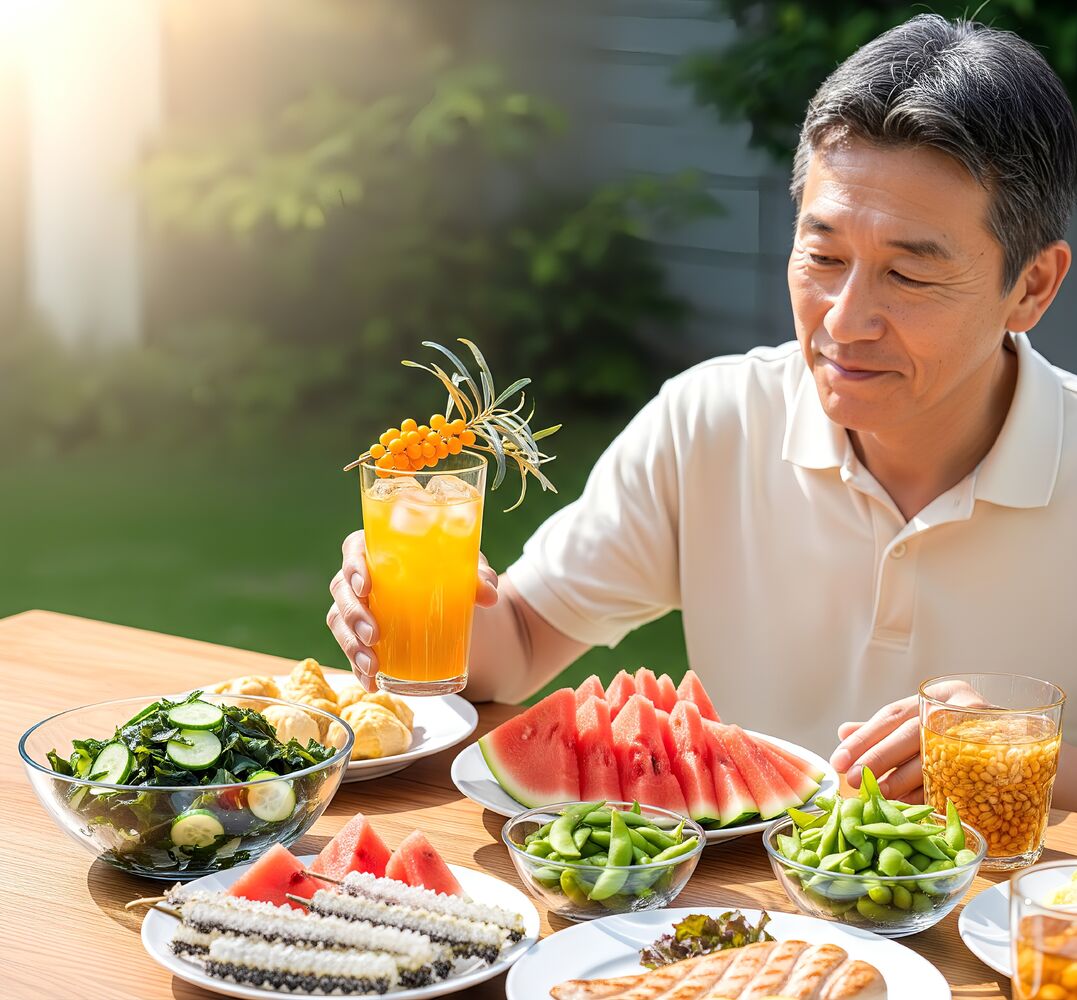
To help you stay healthy this summer, we'll be providing a thorough explanation of health foods that can help prevent heatstroke. Heatstroke is not only caused by high temperatures, but also by humidity and your physical condition, so it's important to take measures to prevent it. This article will provide detailed information on health foods that can help prevent heatstroke, including how to choose effective meals and how to get the right nutrients, as well as examples of inquiries from customers. Be sure to acquire solid knowledge and protect your health this summer.
table of contents
-
Basics of health foods that help prevent heatstroke
-
The importance of vitamins and minerals
-
It's not just about hydration! Tips for choosing ingredients
-
-
Stay comfortable with summer diets
-
Get energized with breakfast
-
Lunch tips to beat the midday heat
-
-
Learning from the experiences of people who have suffered from heat stroke
-
Points that are often overlooked when managing your health
-
Unexpected mistakes and how to deal with them
-
-
Points to consider when choosing health foods
-
How to read labels and check ingredients
-
Appropriate dosage and timing
-
-
Easy-to-take health foods
-
Foods you can buy at convenience stores
-
Easy to make vitamin-packed recipes
-
-
Prevention by adding it to your daily life
-
Daily balance of exercise and rest
-
Clothes and tips for going out
-
-
Heatstroke prevention methods learned from consultation cases
-
Specific consultation content and advice
-
Initiatives inspired by successful examples
-
-
Summary: Now you can avoid heatstroke!
-
Use your knowledge to have a healthy summer
-
Next step: Share with family and friends
-
Basics of health foods that help prevent heatstroke
Heatstroke occurs when the body's temperature regulation fails. This is especially important in the heat of midsummer. To prevent heatstroke, it is important not only to cool the body but also to replenish nutrients through diet. Here, we will learn the basics of health foods that can help prevent heatstroke.
The importance of vitamins and minerals
Vitamins and minerals play a very important role in preventing heatstroke. It is especially important to consciously consume these nutrients during the hot summer months. Vitamins are essential for maintaining normal bodily functions, and vitamin B1 and vitamin C are particularly important in preventing heatstroke.
Vitamin B1 aids in energy metabolism. It is especially important to consume energy efficiently when body temperature is rising. Vitamin B1 is found in large amounts in pork, soy products, molokheiya, brown rice, etc., so it is a good idea to consciously consume it on a daily basis. Dishes using these ingredients are also perfect for summer meals.
Vitamin C, on the other hand, boosts immunity and reduces stress in the body. In midsummer, the stress caused by heat and humidity puts a strain on the body, so it's important to get plenty of vitamin C. It's abundant in fruits, especially citrus fruits, strawberries, and green and yellow vegetables, and can be easily consumed in salads and smoothies, so it's a good idea to incorporate it into your regular diet.
Not only vitamins, but minerals are also essential nutrients for preventing heatstroke. Sodium, potassium, and magnesium are particularly important for maintaining the body's fluid balance. Minerals are easily lost through sweating, especially in the summer, so it is important to consciously replenish them. You can easily get enough minerals by incorporating moderately salted pickles, bananas, nuts, and other foods into your daily diet.
Furthermore, eating a diet that takes vitamins and minerals into consideration not only improves your physical condition but also contributes to overall health. Try to eat a balanced diet by combining different ingredients. As a result, you will not only reduce the risk of heatstroke, but also build up the energy to spend the summer in good health. The nutrients you get from food will be a great ally in supporting your health.
It's not just about hydration! Tips for choosing ingredients
Hydration is important in preventing heatstroke, but it is not enough. Supplementing the nutrients your body needs through diet is also essential, especially during the hot summer months. In addition to drinking plenty of fluids, it is important to know how to choose foods that are suitable for regulating body temperature and replenishing energy.
First, we recommend incorporating fruits and vegetables that are high in water content into your diet. For example, watermelon, melon, and cucumber have a cooling effect on the body and also provide plenty of fluids. These foods are especially perfect on hot days. You can eat them as they are, but you can also extract even more nutritional value by making them into salads or smoothies.
Mint and ginger are also noteworthy ingredients that can lower body temperature. Mint has a refreshing aroma, and adding it to drinks can give them a refreshing taste. On the other hand, ginger is thought to warm the body, but in fact, when consumed in moderation, it can promote circulation in the body and help release heat. By incorporating ginger into your summer meals, you can enjoy new cooking methods and new flavors.
Furthermore, traditional Japanese foods such as miso and tofu cannot be overlooked. Miso has the properties of a fermented food, and is expected to improve your physical condition by regulating your intestinal environment. Tofu is rich in protein and low in calories, making it a light and easy-to-eat food even in the hot summer. By incorporating it into dishes such as chilled tofu or miso soup, you can easily get the nutrients you need.
Finally, cooking methods are also important. Steaming, freezing, or simply frying in a little oil will help preserve the nutrients in your food. Raw foods are especially great options during hot weather.
As you can see, in order to survive the heat of midsummer, it's important not just to drink plenty of fluids, but also to be creative with the ingredients you choose and the cooking methods you use. Enjoy meals that will help you spend the summer comfortably, while keeping in mind the nutrients your body needs. This will reduce the risk of heatstroke and help you enjoy a healthy and fulfilling summer.
Stay comfortable with summer diets
How you spend the summer can vary greatly depending on what you eat. By paying attention to what you eat every day, you can reduce the risk of heatstroke and enjoy a comfortable summer. Here, we'll look at some recommended dietary habits for the summer.
Get energized with breakfast
Breakfast is an important meal for increasing energy throughout the day. Especially during the hot summer months, consuming nutrients in the morning can help prevent heatstroke. To avoid summer fatigue, it is important to eat a nutritionally balanced breakfast.
First, make sure to include plenty of carbohydrates in your breakfast to provide energy. Choosing foods that are digested and absorbed slowly, such as brown rice and whole wheat bread, will provide you with sustained energy. In addition, these foods are rich in dietary fiber, which helps maintain a healthy intestinal environment and improve your physical condition.
Additionally, don't forget to eat vegetables and fruits that are rich in vitamins and minerals. Tomatoes and cucumbers, in particular, are high in water and help prevent heatstroke. We also recommend yogurt with seasonal fruits. Yogurt is effective in improving your intestinal environment and boosting your immune system. By combining fruit and yogurt for breakfast, you can enjoy both nutrition and deliciousness.
Eggs, tofu, and natto are effective sources of protein. Eggs are highly nutritious and can be used in a variety of dishes, so they can be enjoyed as fried eggs or tamagoyaki. Tofu and natto also contain plant-based protein and are easy to digest. By consuming solid protein, you can maintain muscle and provide a solid supply of energy.
The timing of your breakfast is also important. Eating within an hour of waking up activates your metabolism and helps you get off to a smooth start to your day. Furthermore, eating while bathed in morning light helps regulate your body clock, giving you an even better start to your day.
As you can see, breakfast is not just a meal, but an important time that supports health and vitality. By making sure to eat a nutritionally balanced diet, you will be able to withstand the heat of midsummer and stay healthy. A healthy day starts with breakfast. Enjoy a hearty meal and live a fulfilling life.
Lunch tips to beat the midday heat
Lunch is the meal we eat during the hottest time of the day, and it has a major impact on preventing heatstroke. Especially in midsummer, it's important to be creative with the contents of your meal and how you prepare it. Here, we'll introduce some lunch tips to help you beat the midday heat.
First of all, it's important to eat light meals. Heavy or oily dishes can raise your body temperature. Therefore, we recommend cold dishes and salads. During hot weather, you can enjoy a refreshing meal by eating chilled tofu, cold soup, or salad. These dishes are characterized by their light texture and ease of eating, while making the most of the moisture in the ingredients.
Next, it's important to choose foods that will provide you with energy. Your appetite tends to decrease when it's hot, but make sure to include foods rich in vitamins and minerals. In particular, colorful vegetables such as tomatoes, cucumbers, and peppers are rich in nutrients and visually appealing. Also, incorporating beans and grains will help you to ensure sustained energy.
Additionally, pay attention to the combination of ingredients. For example, a chilled Chinese-style salad made with chicken and tofu is a high-protein, well-balanced dish. You can also enjoy variations on cold salads made with rice or pasta by changing the ingredients. Using olive oil or vinegar in the dressing adds a refreshing flavor, making it a perfect meal for hot weather.
Finally, it's important to consider the timing and environment of your meals. Avoiding crowds and direct sunlight and eating in cool places will help you stay comfortable. Also, don't forget to stay hydrated. Drinking fluids frequently with meals will help maintain your body's fluid balance and prevent heatstroke.
As you can see, midsummer lunches require a lot of ingenuity to lower body temperature and maintain energy. Eat light, nutritious meals and enjoy a diet that will help you beat the heat. A satisfying lunch will give you energy for the afternoon.
Learning from the experiences of people who have suffered from heat stroke
By learning about the real-life experiences of people who have experienced heatstroke, you can also be more careful in your own life. Let's explore what was effective based on these actual experiences.
Points that are often overlooked when managing your health
Managing your health is very important when it comes to preventing heatstroke, but there are many points that are often overlooked in daily life. As temperatures rise, especially in midsummer, it is essential to be more conscious of your daily lifestyle and health. Here, we will consider some points that are often overlooked when it comes to managing your health.
The first thing to consider is the timing of hydration. Many people are conscious of drinking fluids when it's hot, but in fact, there are many cases where this is not enough to maintain good health. It is especially important to hydrate frequently on days when exercising or being outdoors. It's a good idea to get into the habit of drinking at set times, not just when you're thirsty.
Next, let's look at the contents of your meals. Maintaining a balanced diet is essential to maintaining good health. It is especially important to incorporate foods rich in vitamins and minerals. For example, consuming a lot of fruits and vegetables will help maintain hydration in the body, which will help prevent heatstroke.
Additionally, it's important to respond to your body's signals. Forcing yourself to continue being active when you feel unwell can put strain on your body. If you sense even the slightest sign of something being wrong, it's important to take a rest and create an environment that will keep your body cool. Especially when you're very active during the day, being aware of your body's fatigue and taking appropriate rest will help you prepare to fight heatstroke.
Another important point is the quality of your sleep. The heat of midsummer can make sleep shallow, but it's important to ensure regular sleep to recover from daytime fatigue. Getting good quality sleep can boost your immune system and improve your physical condition.
In this way, heatstroke can be prevented by reviewing the key points of health management that tend to be overlooked in daily life. By drinking plenty of water, eating a nutritionally balanced diet, listening to your body, and improving the quality of your sleep, you can build a body that will help you get through the hot summer in good health.
Unexpected mistakes and how to deal with them
When it comes to preventing heatstroke, there are some points where unexpected mistakes can easily occur. In particular, in everyday life, it is important to be aware that unexpected dangers can lurk due to a lack of awareness or bad habits. Here, we will consider some common mistakes in preventing heatstroke and how to deal with them.
The first is going out in light clothing on a hot day. Many people tend to think, "It's hot, so it's okay to wear light clothing," but in reality, the rise in body temperature due to direct sunlight and heat can be dangerous. When wearing light clothing, the body is directly exposed to heat, which makes it difficult to regulate body temperature, increasing the risk of heatstroke. As a countermeasure, it is important to take measures to protect your skin from direct sunlight, such as wearing lightweight, breathable long-sleeved clothing and a hat when going out, and bringing a parasol.
Next, people also make mistakes when choosing their meals. When eating out or at fast food restaurants, they tend to choose high-salt and high-calorie dishes. However, in the summer, fluid balance is especially important, so consuming too much salt can actually make you sick. Therefore, when eating out, try to choose dishes that include lots of vegetables and fruits. You can also maintain a balanced diet by actively consuming smoothies and salads.
Another mistake many people make is neglecting to hydrate. On hot days, we tend to lose fluids through sweating, but hydrating only when we feel thirsty is not enough. Carrying a water bottle or sports drink with you is an effective way to hydrate frequently. However, it is best to avoid sugary drinks and drink beverages containing electrolytes to hydrate.
As you can see, small everyday mistakes can have a big impact on preventing heatstroke. By reviewing your own habits and taking appropriate measures, you can protect your health. A little bit of care will help you protect yourself from the midsummer heat and have a comfortable summer.
Points to consider when choosing health foods
There are so many types of health foods available that it can be hard to know what criteria to use when choosing one. Here are some points to keep in mind when choosing a health food.
How to read labels and check ingredients
When choosing health foods, it is very important to know how to read labels and check the ingredients. Especially when considering heatstroke prevention, understanding what ingredients are included will help you choose foods that are right for you. Here we will explain how to read labels and the key points to check for ingredients.
First of all, food labels always have a list of ingredients. It is essential to check this list carefully. The list is arranged in order of the amount of ingredients contained, so the first ingredient listed is the main ingredient of that food. Make sure that vitamins and minerals that are effective in preventing heatstroke are listed at the top of the list.
Of particular note are ingredients such as B vitamins, vitamin C, sodium, and potassium. Vitamin B1 aids energy metabolism and is an essential nutrient for preventing heatstroke. Vitamin C also boosts immunity, making it useful for managing health in the summer. Sodium and potassium are essential for maintaining fluid balance in the body, so it's important to check whether these ingredients are included.
You should also pay attention to additives. Products labeled as additive-free or naturally derived are proof that they are healthy. On the other hand, if artificial flavorings or colorings are used, you should be careful about your health.
Additionally, be sure to check the nutritional content and the percentage of the recommended daily intake. In particular, knowing how much energy and nutrients a food contains per serving will help you incorporate it into your diet. By choosing foods wisely, you can effectively incorporate nutrients that will help prevent heatstroke.
As you can see, when choosing health foods, it's important to carefully check the label and understand the ingredients and nutritional value they contain. Being able to choose the nutrients you need will help you stay healthy this summer. Armed with the right knowledge, you can live a healthier life.
Appropriate dosage and timing
To effectively utilize health foods, it is essential to understand the appropriate amount and timing of intake. It is especially useful when considering heatstroke prevention and health maintenance, as it is important to know how much and when to take them.
First, regarding the appropriate amount, each health food has a recommended intake amount. Sticking to this amount is the basis for effectively absorbing the nutrients your body needs. For example, water-soluble vitamins such as B vitamins and C are not easily stored in the body, so it is important to take an appropriate amount every day. Conversely, fat-soluble vitamins (such as vitamins A, D, E, and K) are easily stored in the body, so care must be taken to avoid overdosing. Refer to the recommended intake amount listed on the package and consume them without overdosing.
Furthermore, timing of intake is also important. In particular, there are many foods whose nutrients are better absorbed when taken with a meal. For example, taking vitamin B1 with a meal supports energy metabolism. Also, vitamin C helps with the absorption of iron from food, so it is more effective when taken with a meal that includes meat. This allows the body to efficiently absorb nutrients that also help prevent heatstroke.
It's also important to consider specific times for fueling your body. Fueling your body before and after exercise, or before outdoor activities, can help you use your energy more efficiently. Before exercise, replenish your energy with a light lunch or smoothie, and after exercise, eat protein-rich foods to help your muscles recover.
As you can see, it's important to maintain good health to consume nutrients in appropriate amounts and at optimal times. Understanding the nutrients you need and incorporating them into your diet while learning about them wisely can effectively help prevent heatstroke and maintain good health. Try to think up ways to improve your daily diet to live a healthier life.
Easy-to-take health foods
Healthy foods that can be easily incorporated into your diet during busy summer days are a blessing. Here we will introduce some easy-to-use health foods.
Foods you can buy at convenience stores
During the hot summer days, people need foods that allow them to easily get nutrition even when they are busy. At times like these, convenience stores come in handy. Here we will introduce some convenience store products that are useful for preventing heatstroke.
First, we recommend chilled soups or miso soups with lots of ingredients. These items are especially useful on hot days, as they cool the body while providing essential nutrients. They often contain plenty of vegetables and seaweed, making them perfect for replenishing nutrients.
Next, pre-cut salads made with fruits and vegetables are also a good choice. Not only are these a convenient way to consume fresh ingredients, but they also contain a lot of water, making them effective in preventing heatstroke. Another great thing about these is that they are simple and don't require dressing, so you can reduce unnecessary calories.
Additionally, nuts and dried fruit are recommended as snacks. Nuts are rich in good fats and protein and keep you full for a long time, making them suitable as a light snack. Dried fruit is high in sugar, making it a good source of energy and also helps prevent heatstroke.
Finally, sports drinks and barley tea are recommended as they not only help with hydration but also replenish lost minerals, so it's a good idea to actively incorporate them into your diet, especially when you're out in the heat.
Convenience stores stock a wide range of convenient, nutritious foods that are perfect for preventing heatstroke. Even in the midst of busy days, choosing meals that take your health into consideration will help you enjoy a comfortable summer.
Easy to make vitamin-packed recipes
Here are some vitamin-packed recipes that are easy to make even on hot summer days. These dishes can be prepared in a short time, so they are perfect for busy people.
First up is the "Fruit Yogurt Bowl." Simply cut your favorite fruit (such as bananas, strawberries, or kiwi) into bite-sized pieces and mix with plain yogurt. Fruit is rich in vitamin C, which boosts your immune system. It also looks gorgeous, making it perfect for breakfast or a snack.
Next, we recommend the "Cold Tomato Salad." Dice fresh tomatoes, cucumbers, and avocado and season with olive oil, lemon juice, salt, and pepper. Tomatoes are rich in lycopene, an antioxidant that helps protect the body from the summer heat. This salad is very refreshing when served chilled.
Another easy and nutritious dish is "cold tofu and vegetable salad." Drain the tofu, crumble it into small pieces, mix it with steamed vegetables such as green beans and carrots, and dress with soy sauce and sesame oil. Tofu contains high-quality protein and helps you feel full, so it's also effective in preventing summer fatigue.
All of these recipes can be made in a short amount of time, and they are all easy ways to get your vitamins. Stay healthy by finding delicious ways to supplement your nutrition even in the hot summer. You can also adjust them to suit your tastes and what's in season. This way, you'll be able to get your nutrients every day without getting bored.
Prevention by adding it to your daily life
In addition to incorporating healthy foods into your diet, you can also significantly reduce the risk of heatstroke by paying attention to your daily lifestyle habits. Let's take a look at some things you should be careful of in your daily life.
Daily balance of exercise and rest
To spend a healthy summer, it is important to strike a good balance between daily exercise and rest. Particularly in midsummer, when temperatures are high, outdoor activity can put a great strain on the body. Therefore, combining moderate exercise with sufficient rest is essential to prevent heatstroke.
Exercise improves physical function and reduces stress. Light exercise such as walking, jogging, and stretching improves blood circulation and helps you burn energy efficiently. However, it is best to avoid exercising during hot times of the day and do it in the cooler hours of the morning or evening.
On the other hand, proper rest is also essential. After exercise, your body is fatigued and needs time to recover. Especially in the summer heat, it is important to cool down your body, drink plenty of fluids, and rest. Adequate rest helps prevent your body temperature from rising and reduces the risk of heatstroke.
In this way, by being conscious of the balance between daily exercise and rest, it is possible to live a comfortable and healthy life even in the middle of summer. Listen to your physical condition, balance activity and rest well, and spend each day fulfilling both physically and mentally. This is the key to maintaining good health and surviving the hot summer.
Clothes and tips for going out
The clothing and precautions you take when going outside are extremely important in preventing heatstroke. Especially on the hottest days of summer, it is important to take measures to lower your body temperature and stay comfortable.
First of all, when it comes to clothing, it is important to choose clothes made from breathable materials. Natural materials such as cotton and linen are gentle on the skin and absorb sweat easily, making it easier for heat to escape. Also, choosing light-colored clothing can help reflect sunlight, helping to prevent your body temperature from rising.
Additionally, when you go out, make sure to use a hat or parasol. A hat not only protects your face and neck from the sun, but also helps lower your body temperature. Carrying a parasol with you will help you avoid direct sunlight and reduce the strain on your body.
Also, don't forget to drink plenty of water. When you're out and about, drinking plenty of water will help cool your body and reduce the risk of heatstroke. In particular, carrying a sports drink or similar can help replenish both the water and salt lost due to the heat.
In this way, by thinking about what to wear and how to dress when going out, you can protect yourself from the midsummer heat and stay comfortable. Be prepared to protect your health and enjoy the hot season.
Heatstroke prevention methods learned from consultation cases
We will introduce heatstroke prevention methods learned from consultation cases sent in by customers. Find practical tips on how preventive measures were implemented based on everyday concerns.
Specific consultation content and advice
When it comes to specific inquiries about preventing heatstroke, the most common response is, "In the summer, I tend to forget to stay hydrated, and I don't feel thirsty unless I consciously drink." In such cases, it is necessary to find ways to consume fluids in your daily life.
First, we recommend keeping water close at hand. By placing water or sports drinks in places you frequently spend time, such as your desk, living room, or bedroom, you can visibly remind yourself to hydrate. It is also effective to set a timer to remind you to hydrate at regular intervals.
In addition to drinks, you can also get water from fruits and vegetables. By consciously consuming foods rich in water, such as watermelon and cucumber, you can naturally hydrate yourself.
By making these small changes, you can develop the habit of drinking fluids without straining yourself and reduce the risk of heatstroke. Try incorporating these changes into your daily life to spend a healthy summer.
Initiatives inspired by successful examples
One successful example of heatstroke prevention is the "habit of staying hydrated," which many people practice. One person said that they have made it a daily habit to drink a glass of water after waking up every morning, which has helped them prevent dehydration during the day. This simple routine has significantly reduced the risk of heatstroke.
One family also implemented a "hydration challenge" for their children. Everyone in the family recorded the amount of water they drank each day and set goals while encouraging each other, creating an environment where hydration could be enjoyed. Through this initiative, the children themselves became more aware of lack of water, and it was a good opportunity for parents and children to become health conscious.
These success stories show that taking concrete actions can help prevent heatstroke. We encourage you to find a hydration method that works for you and put it into practice.
Summary: Now you can avoid heatstroke!
Based on what we've introduced so far, here's a summary of how to prevent heatstroke. Be sure to be well prepared so you can get through the summer in good health.
Use your knowledge to have a healthy summer
Make use of the knowledge we've introduced so far to have a healthy summer. Proper hydration and a nutritionally balanced diet are essential to prevent heatstroke. You can improve your physical condition by consciously incorporating vitamins and minerals into your daily diet. It's also important to balance exercise with rest. Light exercise, especially in the early morning or evening, can improve your physical strength while also protecting yourself from the heat. Furthermore, being mindful of your clothing and hydration when going outside can help you live a comfortable daily life. Make full use of this knowledge to have a healthy and enjoyable summer. Take the first step toward enjoying fulfilling days while taking good care of your health.
Next step: Share with family and friends
To have a healthy summer, it's important to share the knowledge you've gained with your family and friends. For example, by sharing information about heatstroke prevention and nutritional intake, you can raise awareness and help each other. It's also a good idea to suggest nutritionally balanced menus when cooking meals together as a family.
Furthermore, setting a hydration goal as a group can be a fun way to manage your health. When you go out with friends, you can encourage each other to stay hydrated and pay attention to staying hydrated. In this way, by sharing knowledge and working together with those around you, you can have a healthier and safer summer. Let's spend our days being conscious of our health, making fun memories, and enjoying fulfilling days.
NEW
Why should you buy health foods online? A thorough explanation of the reasons and benefits.
query_builder 2026/07/13[Must-see!!] The hidden power of black garlic! A thorough explanation of S1PC's anti-aging effects.
query_builder 2026/06/18Black GarlicBlack GarlicBeautyBeautySurprising uses for sea buckthorn in the remote region of Mongolia! Discover its appeal as a health food
query_builder 2025/12/08Sea BuckthornSea BuckthorndietdietBeautyBeautyA health ally! A thorough comparison of the nutritional components of sea buckthorn juice!
query_builder 2025/10/27Sea BuckthornSea Buckthorn