A thorough explanation of the difference between health foods and functional foods! A guide to choosing wisely
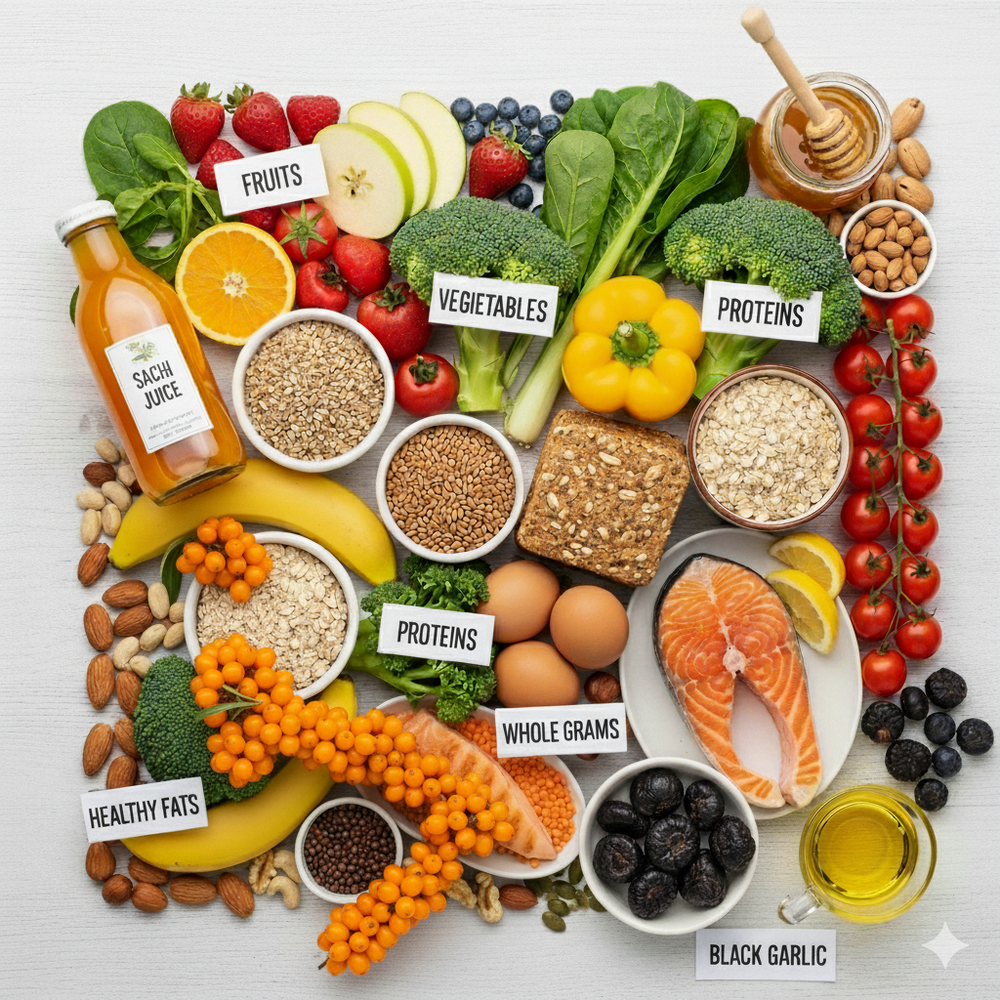
This article provides a detailed explanation of the differences between "health foods" and "nutritional functional foods," which are important to know in order to support a healthy lifestyle. By exploring the definitions and specific examples of each food category, we consider the purposes for which they should be used. We also introduce information on related systems and labeling, helping you choose products with confidence. We also introduce tips on how to choose based on customer experiences. This is a column to help you correctly understand health foods and nutritional functional foods and use them in your daily life. #health #nutritional value #balanced diet #supplements #diet
table of contents
-
Learn the basics of health foods and functional foods
-
What is health food?
-
What are functional foods?
-
-
What is the difference between nutritional supplements and nutritionally balanced foods?
-
Overview of Dietary Supplements
-
Characteristics of nutritionally balanced foods
-
-
Tips for choosing functional foods
-
How to identify reliable information
-
How to choose the right foods for you
-
-
Safety and systems of health foods
-
Japan's health food safety standards
-
Overview of the Health Function Foods System
-
-
Failures and successes in choosing health foods
-
Examples of poor health food choices
-
Key points for successful health food selection
-
-
Examples of functional foods
-
List of general nutritional functional foods
-
Special nutritional functional foods
-
-
The future of functional foods and dietary supplements
-
Market Trends and New Products
-
Expected technological innovations in the future
-
-
How to use health foods and functional foods wisely
-
Smart ways to incorporate it into your daily life
-
Healthy eating habits that don't overdo it
-
Learn the basics of health foods and functional foods
You often hear the terms "health food" and "nutritional functional foods," but do you know the difference between them? Health foods refer to all foods intended to provide nutritional supplementation, while functional foods guarantee the sufficiency of specific nutrients. Here we will explain the basic definitions and characteristics of each.
What is health food?
Health foods generally refer to foods consumed for the purpose of maintaining or improving health. This term covers a wide range of contents and comes in various forms and types, such as supplements, protein foods, and certain herbal teas. In Japan, there is no clear legal definition of health foods, but they generally contain ingredients that are considered to be good for health.
In fact, most people probably use health foods on a daily basis. For example, supplements are popular as an easy-to-consume item for people who find it difficult to pay attention to nutritional balance due to the demands of work and housework. Vitamin and mineral supplements in particular are highly valued as a convenient and efficient way to take in nutrients amidst busy lives.
Furthermore, many health foods contain herbs and plant-derived ingredients. These aim to promote health using the power of nature and can be used in addition to your daily diet. For example, certain herbs are believed to aid digestion and reduce stress, and are used by many people.
However, you should be careful when choosing health foods. The market is flooded with various products, and not all of them can be expected to have the same effects. Therefore, when considering a purchase, it is important to fully understand the ingredient labels and effects, and to choose one that suits your own health condition and needs. In particular, if you have allergies or a history of other medical conditions, we recommend consulting a doctor or specialist beforehand.
Finally, remember that health foods are merely a supplement. A balanced diet and moderate exercise are fundamentally important, and health foods should serve as a supporting role. When aiming for a healthy lifestyle, it is important to incorporate these foods into your daily routine to achieve better results.
What are functional foods?
A functional food is a food that contains specific nutritional ingredients and displays the nutritional functions of those ingredients. It aims to compensate for daily nutritional deficiencies, specifically by ensuring the supply of specific nutrients such as vitamins and minerals. Functional foods have become an important option for maintaining health and improving physical condition.
For example, functional foods containing vitamin C are expected to be effective in improving immunity and relieving fatigue. Also, calcium-based products are used by many people to support bone health. These foods are important as an efficient way to supplement necessary nutrients, especially for busy modern people.
Nutritional functional foods are based on a legal system in Japan. Specifically, their functionality is displayed in accordance with standards set by the Consumer Affairs Agency. This system provides information about the effects and efficacy of ingredients in nutritional functional foods, allowing consumers to make choices with confidence. This allows consumers to use it as a reference for supplementing their necessary nutrients.
However, there are a few things to keep in mind when choosing functional foods. First, it's important to carefully check the labeling and ingredient lists to accurately understand your nutritional needs. You also need to choose an appropriate product based on your individual constitution and health condition. We especially recommend that those with specific illnesses or who are pregnant consult with a doctor.
The appeal of functional foods is their convenience, as they can be easily incorporated into daily life. However, rather than relying solely on them, fundamental health management requires a balanced diet and lifestyle. Let's aim to achieve a healthy lifestyle while making good use of functional foods. Using these foods wisely as a way to support health is the key to living a more fulfilling life every day.
What is the difference between nutritional supplements and nutritionally balanced foods?
Dietary supplements and nutritionally formulated foods are terms you may have heard of before, but many people may not understand what each refers to. In this section, we'll explore these food categories in more detail and clarify the differences between them.
Overview of Dietary Supplements
Dietary supplements are foods made to supplement nutrients that are often lacking in a normal diet. They come in a variety of forms and types, including supplements and fortified foods. Dietary supplements are used by many people because they complement specific nutrients and aim to maintain and support health.
For example, supplements containing vitamins, minerals, amino acids, fatty acids, etc. are popular as a way to easily take in nutrients that are often lacking in daily life. Especially in today's busy society, it is often difficult to get a balanced intake of all nutrients from food. For this reason, nutritional supplements are highly valued as a way to easily supplement necessary nutrients.
Nutritional supplements are no longer just for maintaining health, but are now available in a variety of products tailored to specific purposes. For example, for people who exercise, there are many protein products that support muscle strength, and products containing B vitamins that help recover from fatigue. Also, for those who are trying to lose weight, low-calorie, nutritious foods are available. This has resulted in an increase in the number of options available to meet individual needs and to suit lifestyles.
However, there are a few things to keep in mind when using nutritional supplements. First of all, it is important to have a balanced diet rather than relying solely on supplements and fortified foods. Nutritional supplements only serve a supplementary role, and the foundation of health management is your daily diet. It is also important to correctly understand the nutrients you need and choose your supplements taking into consideration your lifestyle and individual constitution to avoid overdosing.
Nutritional supplements are an effective way to support the health of modern people, but it is important to use them with the right knowledge. By choosing them correctly and taking them effectively, you can expect to maintain better health.
Characteristics of nutritionally balanced foods
Nutritionally balanced foods are foods whose nutritional content has been optimized for a specific purpose. These foods are designed to provide the necessary nutrition for specific health conditions and lifestyles, and many are targeted at the elderly, athletes, and people with specific illnesses.
For example, nutritionally balanced foods for the elderly generally contain plenty of calcium, vitamin D, and collagen, taking into account the decline in nutrient absorption that occurs with age. This is expected to support bone health and improve quality of life. Additionally, for elderly people who tend to have a decreased appetite, the shape and flavor that allow them to easily consume nutrients are also important points.
Nutritionally-formulated foods for athletes are also becoming more diverse. For example, many high-protein, low-fat products have been released to help muscles recover after exercise. Sports drinks and nutritional bars for energy replenishment are also widely used, and you can choose one based on your individual exercise level and goals.
Furthermore, there is an increasing number of nutritionally modified foods developed to address specific diseases. Products for people with diabetes or heart disease often emphasize low sugar and high fiber content, and it is recommended that they be consumed under the guidance of a doctor. As such, nutritionally modified foods can be tailored to individual needs, making them an important tool for supporting the health of users.
When choosing a nutritionally balanced diet, it is important to accurately understand your needs. With a wide variety of options available, it is recommended that you carefully check the manufacturer's information and ingredient lists to choose the product that best suits your health condition. It is also a good idea to consult a medical professional or nutritionist if necessary. Nutritionally balanced diets can be a reliable ally in maintaining a healthy lifestyle, so make sure you have the right knowledge and use them wisely.
Tips for choosing functional foods
When choosing health foods, there is the option of functional foods. Many people are unsure of what criteria to use when choosing. Here are some points to consider when choosing functional foods.
How to identify reliable information
When choosing health foods or functional foods, it is very important to identify reliable information. With so many different sources of information available today, there are a few key points to keep in mind in order to obtain accurate information.
First, it's important to check the information published by the manufacturer. Reputable companies provide detailed information about their products. For example, make sure that the ingredients list, instructions for use, and data on effectiveness are clearly stated. In particular, it's important to check whether the product contains any additives or allergens. Transparent companies tend to be responsible to consumers and are considered relatively trustworthy.
Next, it is also important to refer to evaluations and certifications by third-party organizations. For example, if there is an evaluation by an independent organization that tests for food safety or functionality, checking the results will allow you to relatively highly evaluate the reliability of the product. This information is particularly valuable for medical and health-related products, which are required to be tested to strict standards.
Additionally, user testimonials and reviews are also helpful. However, it is best to focus on opinions based on specific experiences, rather than anonymous opinions or emotional expressions. Sharing the results and impressions of many people who have actually tried a product can help other consumers determine the effectiveness and safety of the product.
It is also recommended to seek the advice of medical and nutritional experts. Advice from nutritionists, doctors, and other experts will help you make more scientifically based choices. It is especially reassuring to seek the advice of experts if you have concerns about your health or are considering trying a specific supplement.
By keeping these points in mind and identifying reliable information, you can avoid making mistakes when choosing health foods and functional foods. Choosing the right product for you is an important step in maintaining a healthy lifestyle. It is important to have the right information and make a choice that you can be satisfied with.
How to choose the right foods for you
When choosing the right health food or functional food for you, it's important to consider several points. First, it's important to have a good understanding of your health condition and lifestyle. For example, people who lead busy lives may find it convenient to choose easily ingested supplements or fortified foods. On the other hand, people with specific health concerns should place emphasis on products containing ingredients specifically tailored to their needs.
Next, it's important to clarify your goals. If you're trying to manage your weight, it's a good idea to choose products that are low in calories and contain ingredients that promote satiety. Conversely, if you're exercising, it's helpful to look for products that are high in protein to improve muscle strength and replenish energy. In this way, clarifying your goals will help you determine the foods you should choose.
Also, don't forget to carefully check the ingredient label on food products. Especially if you have allergies or dietary restrictions, you need to pay attention to the ingredients and additives in order to choose foods you can eat. Some foods may contain unexpected ingredients, so be sure to check the ingredient list carefully.
Additionally, sometimes trying new foods can help you find the right options for you. There are many types of health foods and functional foods on the market, and it can take some trial and error to find what works for you. However, when trying new foods, it's important to start with a small amount and observe how your body reacts.
Finally, it's also a good idea to seek advice, especially from a specialist or nutritionist, who can provide evidence-based advice and help you find the healthiest foods for you. Using these methods and making the right food choices can help you live a healthier life.
Safety and systems of health foods
Many people are concerned about the safety of health foods. Here we will introduce in detail the standards and national systems for the safety of health foods. Get tips to help you make a safe purchase.
Japan's health food safety standards
Safety standards for health foods in Japan have been established to allow consumers to choose products with peace of mind. In Japan, there is no specific legal definition of health foods, so various standards have been established, primarily by the Consumer Affairs Agency. These standards require that health foods be safe and that their effects be properly labeled.
The category of "health functional foods" is particularly noteworthy. Health functional foods can be labeled with specific nutritional functions in accordance with standards set by the Consumer Affairs Agency. There are three types of foods: foods for specified health uses (FOSHU), foods with nutrient functions, and foods with functional claims, and safety and efficacy have been confirmed according to the standards for each.
Foods for specified health uses are products whose health benefits have been confirmed through scientifically based research. In contrast, foods with nutrient functions clearly state that they contain specific nutritional components and provide information on the functions of those components. Foods with functional claims voluntarily display health benefits based on scientific data, providing consumers with guidelines for making choices.
Furthermore, these foods also require strict management during the manufacturing stage. Thorough hygiene and quality control in the selection of raw materials and manufacturing process ensures that safe products are distributed to the market. These standards are extremely important so that consumers can choose health foods without worry.
In addition, foods that meet certain standards may be given a mark certifying their safety. This helps consumers visually identify trustworthy products. In this way, Japan's safety standards for health foods function as an important mechanism for protecting consumer health, and further improvement is still required in the future.
Overview of the Health Function Foods System
The Health Function Food System was established in Japan to ensure the safety and functionality of health foods. This system requires that information about foods with specific health benefits be provided to consumers appropriately. Health function foods are classified into three categories: "Foods for Specified Health Uses (Tokuho)," "Foods with Nutritional Function Claims," and "Foods with Functional Claims," each of which has its own set of standards and procedures.
Foods for specified health uses are products whose health benefits have been scientifically proven and approved by the Consumer Affairs Agency. They contain ingredients that have been recognized as contributing to the maintenance of consumer health and disease prevention. When selling these products, the labeling information is strictly controlled, and they are considered to be highly reliable products.
Next, functional foods are foods that contain specific nutritional components and provide information about the functions of those nutrients. Consumers use them as a way to supplement important nutrients. This category requires scientific evidence, but does not require as strict approval as foods for specified health uses.
Finally, functional foods can display functionality based on scientific data collected by the company itself. This allows consumers to choose the product that is best for them from a wide range of options. However, functional foods are required to be accurately labeled at the company's own risk, and must have sufficient scientific evidence.
In this way, the health functional food system has become an important foundation for consumers to choose products with confidence. The purpose of the system is to provide safe, scientifically based information and support healthy lifestyles. It is expected that the system will continue to be improved and expanded in the future, so that more people will have access to reliable health foods.
Failures and successes in choosing health foods
Choosing health foods is not an easy task. Here we will share some successes and failures in choosing the right foods based on the consultations and experiences of actual customers.
Examples of poor health food choices
There are several examples of mistakes that buyers can make when choosing health foods. The first is when they choose a product without carefully checking the ingredient label. In particular, there are cases where people with allergies have neglected the ingredient label and purchased a health food that actually contains ingredients that do not suit them. Such mistakes can cause poor health or allergic reactions, so it is very important to check beforehand.
Another reason for failure is overconfidence in specific effects. For example, some people continue to take certain supplements, expecting that they will "guarantee weight loss," but this alone often does not produce results. Failure can also occur when people rely solely on health foods without also incorporating a healthy diet and exercise.
Also, sometimes the health foods you buy don't fit your lifestyle. For example, in busy daily lives, you may end up choosing health foods that require cooking, and end up not being able to use them all, causing them to expire. Choosing foods without considering convenience can result in wasted food.
Furthermore, continuing to take excessive amounts is also a problem. Beginners wanting to see results quickly can take more than the recommended amount of supplements, which can lead to poor health. Health foods are only meant to be supplementary, so it is important to stick to the appropriate amount.
Finally, it is also dangerous to choose based solely on advertisements and word of mouth. Choosing a health food based on your own experience and strategy, and knowing what effects it actually has, will lead to success. To avoid such mistakes, it is important to gather information and understand yourself beforehand.
Key points for successful health food selection
There are several points to keep in mind in order to be successful when choosing health foods. The first is to clarify your health condition and goals. For example, are you trying to lose weight, wanting to replenish your nutrients after exercise, or wanting to supplement specific nutrients? Understanding your needs will make it easier to choose the right product.
Next, it's important to carefully check the ingredient label. By carefully examining the ingredient list of the product you're interested in, you can determine how much of the nutrients you need are included and whether it contains any unnecessary additives. Especially for those with allergies, carefully checking the ingredients can help you avoid risks.
It is also important to use reliable sources of information. By referring to official websites and expert opinions, you can gain information about the reliability and effectiveness of products. User reviews are also helpful, but it is important to check for bias and evaluate them objectively.
In addition, it is important not to have excessive expectations, but to assess the actual feel and effects of the product. When trying a product for the first time, it is safe to start with a small size or a sample product and use it to see if it suits your body.
Finally, health foods should only be viewed as a supplement, and the key to success is to combine them with a balanced diet and moderate exercise. By keeping these points in mind and choosing the health foods that are right for you, you will be able to achieve a more fulfilling and healthy lifestyle.
Examples of functional foods
Let's deepen our understanding of the different types of functional foods by looking at some specific products. In this section, we will look at examples and characteristics of common functional foods.
List of general nutritional functional foods
There are many different types of general functional foods, each containing different nutritional components. Vitamins are a typical example. Vitamin C and B vitamins are particularly popular because they improve immunity and support energy metabolism. These are useful for daily nutritional supplementation, so they are easily taken in as supplements.
Next, minerals are also an important part of functional foods. Calcium and magnesium contribute to bone and muscle health, and intake is considered especially important for growing children and the elderly. These are also widely sold as supplements.
Additionally, products containing omega-3 fatty acids, such as fish oil and flaxseed oil, are gaining popularity among those concerned about cardiovascular health. Dairy products and supplements containing probiotics are also becoming more common, often used to improve gut health.
In addition, there is a wide range of nutritional functional foods that utilize specific herbs and plant ingredients. For example, echinacea and lutein are known for their immune support and eye health benefits, respectively. These products often use natural ingredients and are popular among health-conscious people.
As you can see, there are many options for general functional foods that can efficiently replenish the nutrients your body needs, and they are used to meet a variety of needs. Finding the product that suits you can help you maintain your health.
Special nutritional functional foods
There are many special nutritional functional foods that cater to specific needs. These foods are not just general nutritional supplements, but are developed for special purposes and situations. For example, there are foods made for pregnant women and nursing mothers. These contain high amounts of folic acid and iron, which help support the health of the mother and fetus.
Another product we specialize in is functional foods for the elderly. Taking into account the decline in nutrient absorption that occurs with age, our products are rich in calcium, vitamin D, collagen, and other nutrients, which are expected to help maintain bone health and skin elasticity.
Additionally, there is an increasing number of functional foods designed for athletes, including high-protein products for post-exercise recovery and protein bars that provide a quick energy boost, providing an efficient way for people to get the nutrients they need while exercising.
There are also functional foods for people with specific diseases. For example, they complement medical care, such as low-sugar foods for diabetics and potassium-enriched foods for those concerned about blood pressure. In this way, specialized functional foods are developed to provide appropriate nutrients for a variety of lifestyles and health conditions. By choosing foods that suit each individual's needs, it is expected that they will contribute to better health.
The future of functional foods and dietary supplements
The health food industry is evolving every day. Let's take a look at where it's headed and what predictions and expectations there are for functional foods and dietary supplements.
Market Trends and New Products
The health food market has recently been experiencing rapid growth due to rising health awareness among consumers. In particular, products aimed at preventive medicine and health maintenance have been attracting attention, and a variety of new products have been introduced. As a result, in addition to traditional functional foods, there has been an increase in products with enhanced functionality and products developed for specific diseases.
In addition, foods made with natural and organic ingredients are gaining popularity, providing a wide variety of options to meet consumer needs. Plant-derived proteins and superfoods in particular are attracting attention and are popular among health-conscious consumers.
Furthermore, there has been an increase in individually packaged and portable products that emphasize convenience. The ability to easily take in nutrients in a busy lifestyle is appealing to many people. As such, the health food market continues to change, and we can expect the emergence of new products that reflect consumer needs.
Expected technological innovations in the future
The technological innovations expected in the health food market in the future include new research and development to further enhance the functionality and effectiveness of products. In particular, biotechnology-based ingredient extraction and processing techniques to improve ease of consumption and absorption are attracting attention, which will enable more effective nutritional supplementation.
Furthermore, advances in digital technology are expected to lead to the provision of personalized health foods based on individual health data. By providing products containing optimal nutrients according to health conditions and lifestyles, more effective health management may become possible.
Product development with an emphasis on sustainability will also progress. With the use of environmentally friendly raw materials and the introduction of energy-saving technologies in the manufacturing process, it is expected that more eco-friendly health foods will appear on the market. Such technological innovations will help improve the quality of health foods and support a sustainable future.
How to use health foods and functional foods wisely
Finally, we will provide advice on how to effectively use health foods and functional foods in your daily life. Support a healthy lifestyle through practical ways to use them.
Smart ways to incorporate it into your daily life
To incorporate healthy foods into your daily life, it's important to first choose foods that fit your lifestyle. Start with easy-to-use foods, such as supplements that you can easily take in during your busy days, or powders that you can add to smoothies.
It is also important to consider the balance with your meals. Health foods only play a supplementary role, and it is ideal to incorporate them as an additional ingredient while still maintaining the nutritional value of your basic meals. For example, you can increase the nutritional value of your meals by adding health foods rich in vitamins and minerals to your main dishes and side dishes.
Finally, don't forget to observe your body's reactions. If you notice any changes in your physical condition when trying a new product, it's important to consult with your doctor. By putting these methods into practice, you can support a healthy lifestyle.
Healthy eating habits that don't overdo it
When incorporating health foods, it is important not to overdo it. In particular, avoid taking too much in the hope of achieving high effects or expecting dramatic results in a short period of time. Health is not something that can be achieved overnight; it requires continuous effort.
It is important to determine the appropriate amount that suits your health condition and lifestyle. It is advisable to set realistic goals and gradually incorporate health foods into your life. Also, while using health foods for nutritional supplementation, do not neglect basic diet and exercise.
If you can incorporate health foods into your daily life without forcing yourself, they will definitely help improve the quality of your life. The ideal is to find a pace that suits you and maintain your health in an enjoyable way.
NEW
Why should you buy health foods online? A thorough explanation of the reasons and benefits.
query_builder 2026/07/13[Must-see!!] The hidden power of black garlic! A thorough explanation of S1PC's anti-aging effects.
query_builder 2026/06/18Black GarlicBlack GarlicBeautyBeautySurprising uses for sea buckthorn in the remote region of Mongolia! Discover its appeal as a health food
query_builder 2025/12/08Sea BuckthornSea BuckthorndietdietBeautyBeautyA health ally! A thorough comparison of the nutritional components of sea buckthorn juice!
query_builder 2025/10/27Sea BuckthornSea Buckthorn