Learn about health foods and fermented foods

Do you know about the effects of health foods and fermented foods? In this article, we will explain in detail about the effects of fermented foods, their recipes, immune activation, types of foods for self-care, seasonings and enzymes. Acquire the appropriate knowledge and live a healthy life.
table of contents
-
What are health foods and fermented foods?
-
Definition of health foods and their effects
-
The definition of fermented foods and their effects
-
-
Discover the power of fermentation
-
Fermented foods boost immunity
-
How does fermentation work?
-
-
The boosting effects of fermented foods
-
The positive health benefits of fermented foods
-
The positive beauty effects of fermented foods
-
-
Recipes using fermented foods
-
Easy fermented food recipes
-
Fermented food recipes you can try at home
-
-
Types of fermented foods and their effects
-
Representative fermented foods and their effects
-
Fermented foods from around the world and their effects
-
-
The effects of fermented seasonings
-
Types of fermented seasonings and how to use them
-
The health benefits of fermented seasonings
-
-
What are the enzymes contained in fermented foods?
-
The relationship between fermented foods and enzymes
-
The Health Effects of Enzymes
-
-
Incorporating fermented foods into your daily routine
-
How to Incorporate Fermented Foods into Your Diet
-
Tips for continuing to use fermented foods
-
What are health foods and fermented foods?
Let's start with some basic knowledge you should know. We will explain in detail about health foods and fermented foods. Having the right knowledge will enrich your daily diet.
Definition of health foods and their effects
Health foods are any food consumed to maintain or improve physical health. This includes foods that have been fortified with specific nutrients or that contain natural ingredients. The term "health foods" is often heard, but it encompasses a wide range of categories, including supplements and functional foods, so its meaning is quite diverse.
The effects of health foods vary depending on the ingredients of each individual food. For example, foods rich in vitamins and minerals are said to help support bodily functions. This can contribute to improving immunity, generating energy, and even recovering from fatigue. In addition, foods rich in dietary fiber are said to aid digestion and help maintain health by improving the intestinal environment.
Furthermore, foods rich in antioxidants are expected to prevent cell aging and contribute to the prevention of lifestyle-related diseases. Recent research suggests that these antioxidants may reduce the risk of cancer and heart disease because they neutralize the active oxygen generated in the body.
In addition, health foods containing probiotics can increase the number of good bacteria in the intestines and promote intestinal health, which can improve digestive function and boost the immune system. In this way, depending on the type of health food, it can help improve your body in various ways.
However, health foods do not cure all illnesses. It is important to have a balanced diet, and excessive intake of specific health foods can have the opposite effect. Therefore, when incorporating health foods, it is important to choose ones that suit your lifestyle and diet, and consume them in appropriate amounts. This will help you maintain your health more effectively.
The definition of fermented foods and their effects
Fermented foods are foods made using the power of microorganisms. Specifically, bacteria, yeast, mold, etc. act on raw materials, changing the quality of the food, increasing nutritional content, and creating new flavors. This fermentation process has been used in many countries for thousands of years. In Japan, miso, soy sauce, natto, and pickles are well-known examples of well-known fermented foods.
Fermented foods have a wide range of effects, but the main thing that attracts attention is their health benefits. First of all, the useful components produced during the fermentation process contribute to a healthy intestinal environment. In particular, they are rich in good bacteria known as probiotics, which are expected to help balance the intestinal flora. This leads to improved digestion, promoted bowel movements, and even improved immune function.
Furthermore, consuming fermented foods helps the body absorb vitamins, minerals, and enzymes more efficiently. This is because the fermentation process breaks down nutrients and changes them into forms that are easier for the body to absorb. In particular, B vitamins and vitamin K can be ingested through fermented foods, and play important roles in energy metabolism and blood clotting.
It has also been confirmed that components with antioxidant properties are produced during the fermentation process. This has been shown to have the potential to slow down aging and reduce the risk of lifestyle-related diseases. Recently, research has been progressing on whether the various components contained in fermented foods may also affect neurotransmission and mental health.
As you can see, fermented foods have a variety of benefits for keeping the body in good condition. However, to maximize the health benefits, it is important to choose the fermented foods that suit you and incorporate them in appropriate amounts in a balanced manner. By incorporating fermented foods into your daily life, you can lead a healthier life.
Discover the power of fermentation
Learn more about the power of fermentation here. You'll be surprised at how many fermented foods you eat every day.
Fermented foods boost immunity
One of the special powers of fermented foods is that they contribute to improving immunity. Our bodies have an immune system that fights against external pathogens and viruses, and fermented foods are rich in ingredients that support this immune system. In particular, the probiotics contained in fermented foods are known to increase the number of good bacteria in the intestines and improve the intestinal environment.
Many immune cells gather in the intestines, and a healthy intestinal environment activates these immune cells. Specifically, fermented foods increase the number of good bacteria, which helps suppress harmful bacteria. This prevents inflammation in the intestines, strengthens the barrier function of the intestinal wall, and improves overall immunity.
Additionally, the vitamins, minerals, and peptides contained in fermented foods also contribute to boosting immune function. In particular, B vitamins and vitamin D support the function of immune cells and are important in protecting the body from infections. Fermented foods are worth incorporating into your daily diet, as they provide you with these vitamins.
Additionally, research suggests that certain compounds in fermented foods may strengthen the immune system. For example, microorganisms such as lactobacillus and yeast have been shown to reduce the body's stress response and have anti-inflammatory properties, which may make you less susceptible to infections like colds and the flu.
Recent research has shown that fermented foods also contribute to mental health. It is known that stress and anxiety have a negative effect on immune function, so it is expected that fermented foods will help maintain a balance between the mind and body and thus help maintain immunity.
As you can see, there are various mechanisms that support the immune boosting effect of fermented foods. By incorporating fermented foods into your daily life, you can maintain a healthy immune system and help build a body that can fight off disease.
How does fermentation work?
Fermentation is a biochemical process that occurs under certain conditions, whereby microorganisms break down organic matter. This process mainly involves bacteria, yeasts, and molds. For fermentation to begin, the right temperature, humidity, and nutrients are usually required.
The basic mechanism of fermentation begins with microorganisms breaking down carbohydrates and proteins. For example, when lactic acid bacteria ferment lactose, lactic acid is produced, and fermented dairy products such as yogurt are made. In this process, lactic acid increases the acidity of the food, improving its shelf life and inhibiting the growth of bacteria.
Furthermore, many fermented foods contain enzymes and metabolic products produced by microorganisms. These not only improve the flavor and texture of the food, but also increase its nutritional value. For example, natto is made by fermenting soybeans with natto bacteria, which gives it its unique stickiness and flavor while also making it rich in vitamin K and enzymes.
The fermentation process can be divided into two main stages. In the initial stage, microorganisms consume nutrients, grow and reproduce. The metabolic products produced during this process can have inhibitory effects on other microorganisms, preventing the growth of competing pathogens and creating an environment in which the fermentation process is sustainable.
In the next stage, microbial activity reaches its peak and the most fermentation products are produced. This is when the flavor and nutritional value of the food often reach their peak. Therefore, proper control of the fermentation period, temperature, humidity, etc. has a significant impact on the final quality.
Understanding the fermentation process will help us to enjoy healthier and tastier meals when incorporating it into our diet. Learning about the mechanism of fermentation and enjoying making your own fermented foods is one way to promote good health.
The boosting effects of fermented foods
By incorporating fermented foods into your diet, you can expect benefits not only for your health but also for your beauty. Let's unravel the secrets behind this.
The positive health benefits of fermented foods
Fermented foods are known to have many positive effects on our health. The first of these is their positive effect on the intestinal environment. The probiotics contained in fermented foods work to increase the number of good bacteria in the intestines. This is expected to balance the intestinal flora and improve digestion and absorption. It is believed that maintaining intestinal health can help prevent constipation and diarrhea, and even reduce the risk of diseases such as enteritis.
Another notable feature of fermented foods is their high nutritional value. During the fermentation process, microorganisms increase the vitamin and mineral content. For example, natto is rich in vitamin K, which plays an important role in supporting bone health, while yogurt is rich in calcium and B vitamins, which also contribute to bone and skin health.
In addition, fermented foods are also expected to have an immune-boosting effect. Since many immune cells gather in the intestines, a healthy intestinal environment improves immune function. In particular, the lactic acid bacteria and beneficial bacteria contained in fermented foods have been shown to contribute to suppressing pathogens and activating immune cells. This helps protect the body from infectious diseases such as colds and influenza.
Another thing to note is that fermented foods contain ingredients with antioxidant properties. These ingredients suppress active oxygen in the body and slow down the aging of cells. This may help prevent lifestyle-related diseases such as heart disease and diabetes.
Fermented foods are popular among many Japanese people as foods that contribute to maintaining health when incorporated into daily life. Enjoying a wide variety of fermented foods will help you to lead a healthy diet. Incorporating fermented foods into your daily meals is a step towards good health.
The positive beauty effects of fermented foods
Fermented foods are expected to have many positive effects not only on health but also on beauty. First, one of the beauty benefits of fermented foods is that they promote healthy skin. The nutrients and active enzymes produced during the fermentation process have the effect of improving skin moisture and elasticity. In particular, when the intestinal environment is improved by the action of probiotics, the condition of the skin also improves. Since the intestines and skin are closely related, healthy intestines also have a positive effect on beauty.
Fermented foods are also rich in antioxidants, which help suppress free radicals, which are the cause of aging. Free radicals accelerate cell aging and are believed to be the cause of skin problems such as age spots and wrinkles. By consuming fermented foods on a daily basis, the amount of antioxidants in the body increases, helping to maintain the youthfulness of the skin.
In addition, the vitamins and minerals contained in fermented foods also contribute to beauty. For example, yogurt is rich in B vitamins. These vitamins promote skin turnover (metabolism) and improve skin texture and brightness. Vitamin K contained in natto also improves blood circulation and evens out skin tone.
In addition, fermented foods also help detoxify the body. A healthy intestinal environment allows unnecessary substances and waste to be excreted more easily, which can result in fewer skin problems. This detoxifying effect not only clears up your skin, but also improves your overall health.
As you can see, the positive beauty effects of fermented foods are numerous, but you will be able to feel the effects even more if you incorporate them into your daily routine. Fermented foods are easy to enjoy, so it's worth actively consuming them as part of your daily beauty routine. Finding the fermented foods that suit you may help you achieve radiant beauty from within.
Recipes using fermented foods
Here are some concrete recipes for incorporating fermented foods into your daily life. It's great to be able to eat delicious food and be healthy at the same time.
Easy fermented food recipes
Easy fermented food recipes are a great way to incorporate health into your home life. Here are two easy fermented food recipes that even beginners can make.
The first one is the easy-to-make "Shio-koji". Shio-koji is a fermented seasoning made from rice malt, salt, and water, which not only adds umami to dishes, but also has the effect of softening ingredients. The recipe is quite simple.
1. Prepare 250 grams of rice koji, 100 grams of salt, and 400 milliliters of water.
2. Add the rice koji and salt to a bowl and mix.
3. Next, add the water little by little and mix well. Once the mixture is moist, transfer it to a clean jar.
4. Cover lightly and let ferment at room temperature for about a week. Stirring daily will help ensure an even fermentation.
5. Once the fermentation has progressed and a sweet aroma is released, it is ready. Store in the refrigerator and use in cooking.
Next, we will introduce "homemade yogurt." Yogurt is one of the fermented foods that can be easily made at home. The only ingredients needed are milk and yogurt starter culture.
1. Prepare 1 liter of milk and 100 grams of plain, additive-free yogurt.
2. Add milk to a saucepan and heat over medium heat until it boils gently, then turn off the heat.
3. When the milk has cooled to body temperature, add the yogurt and mix well.
4. Transfer the milk mixture to a clean container, cover and store in a warm place.
5. Ferment for about 6 to 8 hours, and when it has reached the desired sourness, store it in the refrigerator.
These recipes are easy to make even for beginners to fermented foods. Why not experience the fun of making fermented foods at home and use it as a way to help you lead a healthy diet? Fermented foods are also a great tool to broaden the scope of your cooking and bring out the deliciousness. Enjoying homemade fermented foods at home can have a positive effect on your health and beauty.
Fermented food recipes you can try at home
Here are some more recipes for fermented foods that you can try at home. Here are two recipes for "homemade pickled vegetables" and "amazake." Both are relatively easy to make and are fermented foods that can be incorporated into your daily routine.
First, let's look at homemade rice bran pickles. Rice bran pickles are a traditional Japanese pickle made by soaking vegetables in rice bran and fermenting them. Here's how to make them.
1. Mix 250 grams of rice bran with 50 grams of salt and 200 milliliters of water to make a rice bran bed.
2. Prepare your favorite vegetables (cucumbers, radishes, carrots, etc.).
3. Bury the vegetables in the bran bed and make sure they are tightly wrapped.
4. Cover and leave at room temperature for about a day, then taste it and if it is salty enough to your liking, it is done.
5. The rice bran bed will improve and fermentation will progress with several uses, so try pickling vegetables in it regularly to enjoy new flavors.
Next, we will show you how to make "amazake." Amazake is a drink made from rice and koji, and has a naturally sweet taste. It is also highly nutritious.
1. First, cook 1 cup of rice and let it cool.
2. Prepare 150 grams of rice koji and loosen it with your hands.
3. Heat the cooked rice and then cool it to around 40 degrees.
4. Add the loosened rice koji and mix well.
5. Transfer to a clean container, cover, and leave to ferment in a warm place for 8 to 12 hours. Once fermented, a sweet, thick amazake will be produced.
By making these fermented foods at home, you can easily support your health and beauty. Another great thing about homemade food is that you can adjust it to suit your tastes. Enjoy the fun of fermented foods and try incorporating them into your daily diet. Enjoying homemade fermented foods will bring you a richer food experience.
Types of fermented foods and their effects
There are many different fermented foods, but what are the effects of each? Here we will introduce the main types of fermented foods and their effects.
Representative fermented foods and their effects
Among fermented foods, there are some representative ones that are particularly popular with many people. These foods are believed to have various health benefits and are incorporated into daily life. Here, we will look at some of Japan's most representative fermented foods and their effects.
First, there is miso, an indispensable part of the Japanese diet. Miso is a seasoning made primarily from soybeans, fermented with rice malt and salt. Miso is rich in nutrients, especially B vitamins and minerals. It also contains probiotics that regulate the intestinal environment, helping to improve immunity.
Next is soy sauce. Soy sauce is also a seasoning made by fermenting soybeans. Fermentation increases the umami components, adding a deeper flavor to dishes. Soy sauce also contains antioxidants, which play a role in supporting health.
"Tsukemono" (pickles) is another representative Japanese fermented food. By pickling carefully selected vegetables with salt, rice malt, vinegar, etc., you can enhance the shelf life of the food while enjoying its unique flavor. The lactic acid bacteria contained in pickles helps to balance the intestinal flora and supports digestive function.
There is also "natto". Natto is a food made by fermenting soybeans with natto bacteria, and is characterized by its unique aroma and stickiness. Natto is rich in vitamin K and dietary fiber, and is said to contribute to bone and blood health. It can also be expected to have the effect of regulating the intestinal environment.
These fermented foods are easy to incorporate into your daily diet for better health and can be enjoyed in a variety of ways, so try incorporating these foods into your daily diet and experience the health benefits.
Fermented foods from around the world and their effects
There are a wide variety of fermented foods in countries around the world, reflecting the culture and dietary habits unique to each region. These fermented foods have many health benefits and are widely popular in each region.
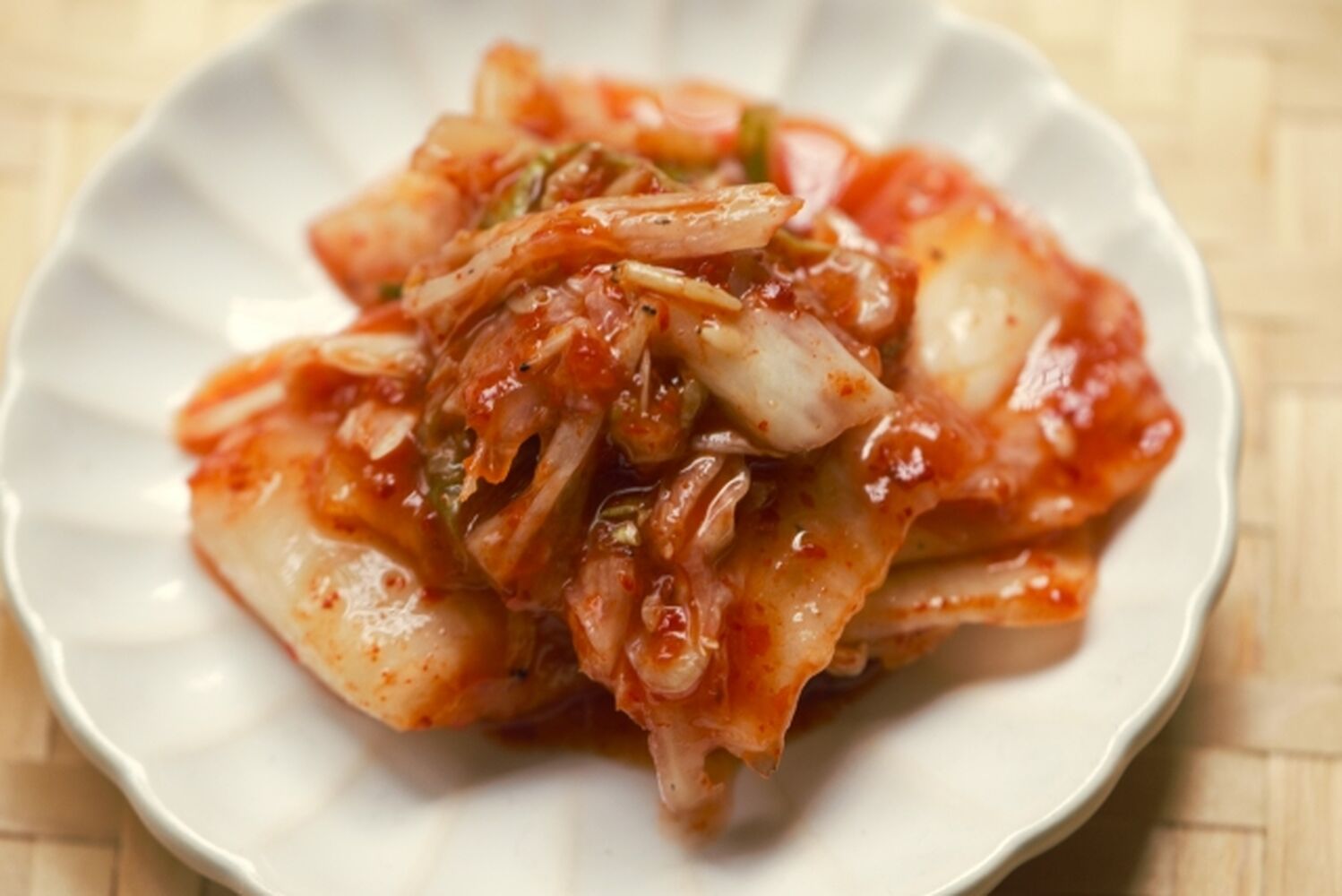
One example is "kimchi." It is a traditional Korean fermented food, mainly made by fermenting Chinese cabbage and radish with chili peppers and garlic. Kimchi is rich in lactic acid bacteria, which is expected to improve the intestinal environment and boost the immune system. It also contains vitamin C and carotenoids, which are useful for beauty and health.
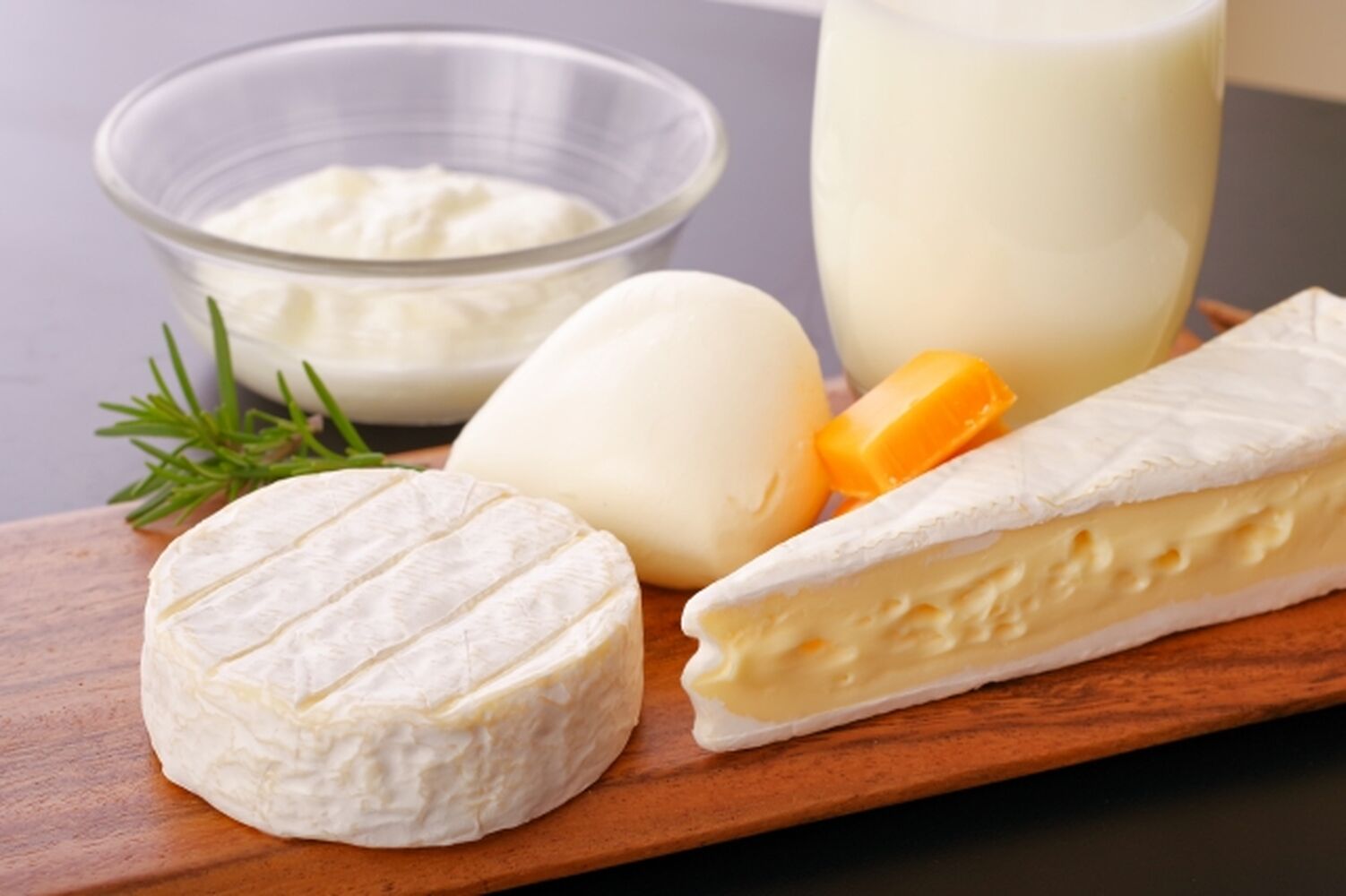
"Cheese" is another fermented food that is popular in many countries. It is made by fermenting cow's milk or sheep's milk, and there are many different types. Cheese is rich in calcium and protein, which supports bone health. Some cheeses also contain probiotics, which have been suggested to contribute to improving the intestinal environment.
"Yogurt" is a fermented food that is popular around the world. It is made by adding lactic acid bacteria to milk and fermenting it. Yogurt is expected to contribute to maintaining health by aiding digestion and increasing the number of good bacteria in the intestines. Research has also shown that consuming lactic acid bacteria supports intestinal immune function.
"Tempeh" is a fermented soybean food originating from Indonesia, and is rich in high-quality protein and dietary fiber. Like natto, it helps regulate the intestinal environment, but tempeh has a unique flavor and texture, making it a valuable ingredient for expanding the range of dishes you can make.
As such, fermented foods from around the world each have their own unique characteristics and health benefits and play an important role in people's diets. By incorporating fermented foods into your daily meals, you can support your health while experiencing different cultures.
The effects of fermented seasonings
Fermented foods can also be used as seasonings to enhance the flavor of dishes. Learning about fermented seasonings will broaden the scope of your cooking.
Types of fermented seasonings and how to use them
Fermented seasonings not only enhance the flavor of ingredients, but also have a positive effect on health. Here we will introduce some of the most common types of fermented seasonings and how to use them.
The first one is miso. Miso is a seasoning made by fermenting soybeans and is used in a variety of dishes. It can be used in miso soup, dressings, simmered dishes, and even as a base for marinades. It is rich in flavor and nutritional value, and it helps to add richness to dishes.
Next is soy sauce. Soy sauce is a liquid seasoning made by fermenting soybeans and wheat, and is an essential part of Japanese cuisine. It is used in a wide range of dishes, such as sashimi, grilled dishes, and simmered dishes, to enhance the umami of the food. It is also suitable for seasoning marinades and pickles, and can be used in a variety of dishes.
"Vinegar" is also an important fermented seasoning. There are many different types, such as rice vinegar, black vinegar, and apple vinegar. Vinegar not only adds sourness, but also improves the shelf life of ingredients, making it popular as a dressing for pickles and salads. You can also enjoy a rich flavor by using it in vinegared rice or marinades.
In addition, "Shio-koji" is a fermented seasoning that has been gaining attention in recent years. It is made from rice malt and salt. By marinating ingredients in it, it brings out the flavor and softens them. It can be used to season meat, fish, and vegetables.
Incorporating these fermented seasonings into your cooking will enrich the flavor and support your health. Why not try using them effectively in your daily meals and enjoy a variety of flavors?
The health benefits of fermented seasonings
Fermented seasonings are known to not only enhance the flavor of dishes, but also have various health benefits. First of all, the probiotics contained in fermented seasonings play an important role in regulating the intestinal environment. This is thought to improve the balance of intestinal flora, improve digestion and absorption, and prevent constipation and diarrhea.
Fermented seasonings also contain many nutrients. For example, miso and soy sauce are rich in B vitamins and minerals, which contribute to promoting energy metabolism and strengthening immune function. Furthermore, the antioxidants contained in these seasonings suppress active oxygen in the body and prevent cell aging.
Vinegar is said to have the effect of increasing appetite and suppressing the rise in blood sugar levels. This may be useful for dieting and preventing diabetes. In addition, using vinegar can improve the preservation of food and help it last longer.
The health benefits of fermented seasonings can be felt by consuming them on a daily basis. Incorporating them into a healthy diet will help you achieve a balanced mind and body and lead a better life. It is important to make good use of fermented seasonings and enrich your daily diet.
What are the enzymes contained in fermented foods?
The enzymes contained in fermented foods are important for health, and learning about these enzymes will help you understand the importance of fermented foods even more.
The relationship between fermented foods and enzymes
Fermented foods and enzymes are closely related, and the various health benefits of fermented foods are due to the action of enzymes. Enzymes are proteins that promote chemical reactions in the body and play an important role in the fermentation process.
In the manufacturing process of fermented foods, microorganisms break down the ingredients contained in the raw materials and produce various enzymes to promote fermentation. For example, lactic acid bacteria have an enzyme that converts sugar into lactic acid, which is the process that creates the sour taste and aroma of foods. These enzymes also break down the nutrients in food and convert them into a form that is easily absorbed by the body, which is expected to aid digestion and absorption.
Furthermore, enzymes increase the number of good bacteria that have a positive effect on the intestines, improving the intestinal environment. This can also be expected to improve immunity and have beauty effects, so incorporating fermented foods into your daily life will help you maintain good health. By enjoying fermented foods, you can take advantage of the power of enzymes and live a healthier life.
The Health Effects of Enzymes
Enzymes are important ingredients that have many effects on our health. First of all, enzymes help with digestion. When food enters the body, enzymes promote its breakdown and change the nutrients into a form that is easier to absorb. This is expected to prevent indigestion and stomach pain.
Furthermore, enzymes are also involved in metabolism. Enzymes help various chemical reactions in the body, so energy is produced and nutrients are used smoothly. Therefore, the normal functioning of enzymes can have a positive effect on fatigue recovery and weight management.
Enzymes are also attracting attention for their antioxidant properties. They neutralize active oxygen in the body and play a role in preventing cell damage. This is thought to contribute to the prevention of aging and lifestyle-related diseases.
In this way, enzymes provide support in many ways for maintaining health. Taking in enzymes through fermented foods is one way to promote mental and physical health.
Incorporating fermented foods into your daily routine
We will explain specific ways to incorporate the fermented foods we have learned about in detail so far into your daily entertainment.
How to Incorporate Fermented Foods into Your Diet
There are many ways to incorporate fermented foods into your diet. First of all, it's very easy to just add them to your daily meals little by little. For example, adding yogurt to your breakfast can help improve your intestinal environment. You can also easily consume fermented foods by incorporating miso soup and natto into your diet.
You can also add fermented foods to your meals by using soy sauce or vinegar as salad dressings or marinades, and enjoy the flavors. Another good idea is to use fermented foods as side dishes, such as pickles.
We especially recommend trying to make your own fermented foods. By making shio-koji or amazake, you can enjoy your own fermented foods. In this way, fermented foods can be easily incorporated into your daily meals, helping you to maintain a healthy diet.
Tips for continuing to use fermented foods
There are a few points to keep in mind when continuing to consume fermented foods. First, it is important to gradually increase the amount you consume. If you suddenly consume a large amount, your body may be shocked, so it is best to gradually get used to it.
In addition, by incorporating fermented foods into your daily diet, you can easily feel their effects. For example, if you get into the habit of eating yogurt or natto every day for breakfast, it will naturally become easier to continue. Also, by incorporating a variety of fermented foods, you can enjoy them without getting bored and maintain a balanced diet.
It's also important to find a fermented food that suits your taste. By choosing a fermented food that you like, you will be able to continue eating it without any strain. Keep these points in mind and start incorporating fermented foods into your life.
NEW
Why should you buy health foods online? A thorough explanation of the reasons and benefits.
query_builder 2026/07/13[Must-see!!] The hidden power of black garlic! A thorough explanation of S1PC's anti-aging effects.
query_builder 2026/06/18Black GarlicBlack GarlicBeautyBeautySurprising uses for sea buckthorn in the remote region of Mongolia! Discover its appeal as a health food
query_builder 2025/12/08Sea BuckthornSea BuckthorndietdietBeautyBeautyA health ally! A thorough comparison of the nutritional components of sea buckthorn juice!
query_builder 2025/10/27Sea BuckthornSea Buckthorn