The unity of health foods and Japanese cuisine: A collection of information useful for your health
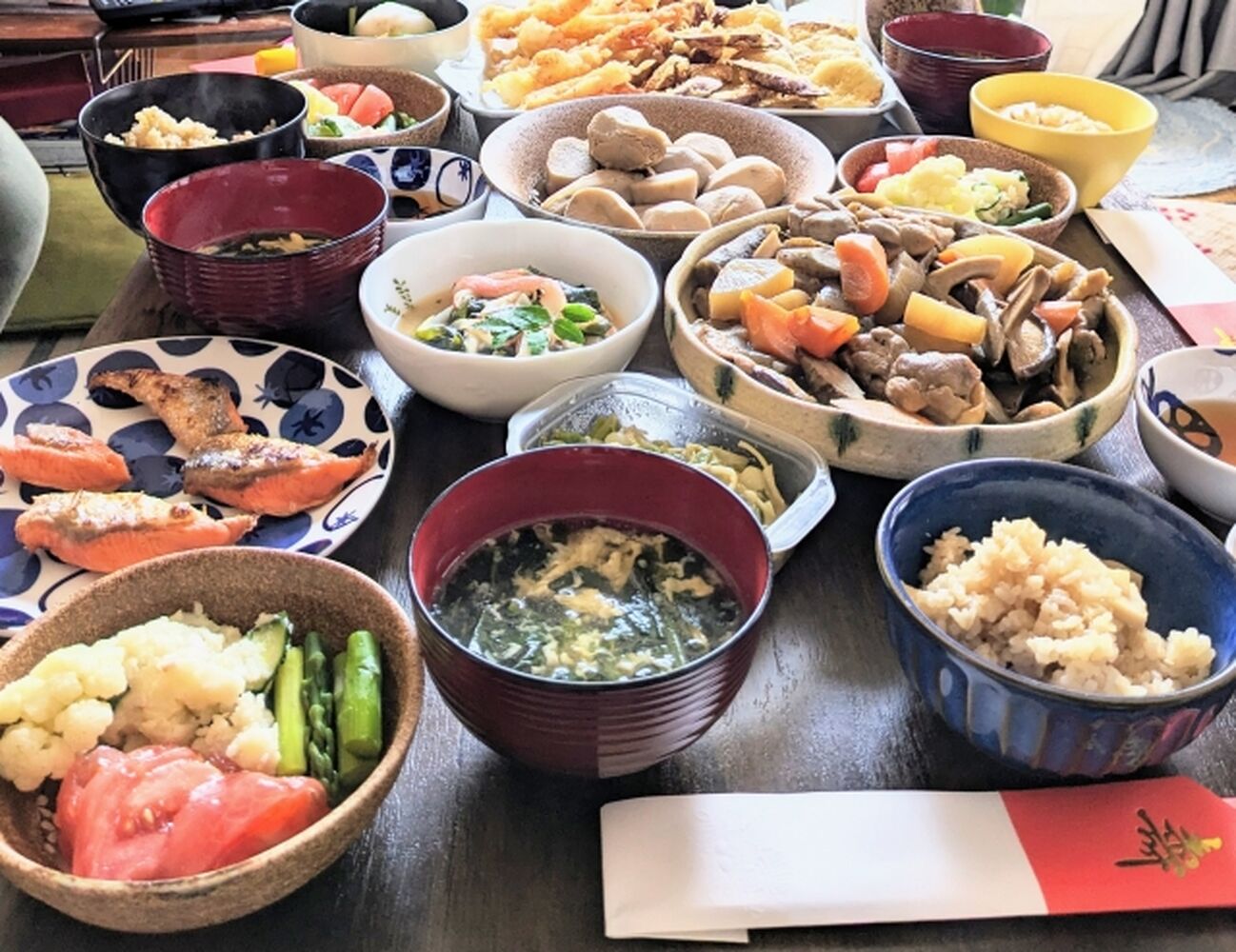
This article delves into the deep connection between health foods and Japanese cuisine, including what ingredients have a positive effect on health and the best time of day to eat the healthiest foods.
table of contents
-
What is health food?
-
Definition of health food
-
Characteristics of health foods
-
-
What is Japanese food?
-
Definition of Washoku
-
Characteristics of Japanese cuisine
-
-
The relationship between health foods and Japanese cuisine
-
Japanese cuisine is a gift from nature
-
The essence of Japanese cuisine
-
-
Specific examples of health foods and their effects
-
Representative health foods
-
The effects of health foods
-
-
The best time to eat healthy foods
-
Breakfast and Healthy Food
-
Dinner and healthy food
-
-
Combining Healthy Foods and Japanese Cuisine
-
The harmony of Japanese cuisine and health foods
-
New Japanese recipes with health foods
-
-
Tips for a healthy diet
-
How to Choose the Right Foods
-
The importance of a balanced diet
-
-
Summary of health foods and Japanese cuisine
-
Re-evaluating the role of health foods and Japanese cuisine
-
Desirable dietary habits
-
What is health food?
First of all, we will explain in detail what health foods are, their definition and characteristics.
Definition of health food
The term "health food" has come into widespread use in recent years with the rise in health consciousness, but its definition is diverse and influenced by people's lifestyles and cultures. In general, health foods refer to foods that are intended to promote our health. These are usually highly nutritious and contain ingredients that are believed to have specific health benefits.
First, one of the characteristics of health foods is their high nutritional value. For example, foods that are rich in vitamins, minerals, dietary fiber, and plant-derived ingredients help efficiently supplement the nutrients our bodies need. In particular, foods that boost the body's immune system and contribute to the prevention of lifestyle-related diseases are attracting attention. For this reason, health foods are considered an important element in balancing our diet.
Another characteristic of health foods is that they are expected to have a disease prevention effect. Many studies have suggested that certain foods may reduce the risk of heart disease, diabetes, cancer, and other diseases. For example, oily fish, vegetables, and fruits are rich in antioxidants and omega-3 fatty acids, and are said to be helpful in maintaining health. In this way, health foods are positioned as a means to improve dietary habits.
Another feature of health foods is that they are available in a variety of forms on the market. Although they are often sold as supplements, they fall into a wide range of categories, including whole foods, processed foods, and beverages. This allows consumers to incorporate health foods into their lifestyles and preferences.
However, you need to be careful when choosing health foods. Advertisements and product descriptions may make exaggerated claims about their effectiveness, so it is important not to take the information at face value, but to make your own judgment based on your own physical condition and needs.
In this way, health foods play an important role in supporting our health, but we must be careful in how we use and select them. By incorporating them into our daily diet, we can help support a healthy lifestyle.
Characteristics of health foods
As the name suggests, health foods have many properties that contribute to our health. These foods have a variety of properties, such as high nutritional value and disease prevention properties, and it is expected that incorporating them into daily life will help maintain good health.
First, one of the characteristics of health foods is their richness in nutrients. These foods contain high amounts of certain vitamins, minerals, antioxidants, etc., which help the body function. For example, soy products contain high-quality vegetable protein and isoflavones, which are important for maintaining healthy skin and bones. In addition, green and yellow vegetables are rich in vitamins and dietary fiber, and are said to have the effect of aiding digestion and boosting the immune system.
Secondly, health foods also have properties that contribute to disease prevention. For example, oily fish, which is rich in omega-3 fatty acids, is said to support cardiovascular health and reduce the risk of lifestyle-related diseases. Fermented foods also help regulate the intestinal environment and are effective in preventing indigestion and constipation. This is expected to improve the overall health of the body and the quality of daily life.
Another characteristic of health foods is their functionality. Many health foods have specific health benefits that are scientifically backed, and are accepted as a factor that consumers can use with confidence. For example, many research results have been reported that certain ingredients contribute to reducing stress and improving sleep quality. This means that health foods can be an important tool for maintaining a balance between the mind and body in modern society, where people are prone to feeling stress in their daily lives.
Finally, another characteristic of health foods is that they are easy to incorporate. Some are easily taken as supplements, while others are provided in a form that naturally blends into our diet. In this way, they can be easily incorporated into daily life, making them a useful option for maintaining health.
We believe that by understanding these characteristics and incorporating them effectively into your daily diet, you can make the most of the power of health foods and help achieve a better life.
What is Japanese food?
Next, I will explain about the Japanese food that we consume on a daily basis.
Definition of Washoku
Washoku refers to the traditional Japanese cooking style and has a long history. Specifically, it is a dietary system that combines ingredients, cooking methods, and food culture unique to Japan, and reflects the characteristics and seasonality of each region. Washoku is more than just food; it is deeply connected to the lifestyles, thoughts, and even spirituality of the Japanese people.
The first thing that stands out about washoku is its commitment to ingredients. Japanese food culture places great importance on fresh ingredients obtained from the natural environment, such as rice, fish, vegetables, and beans. As a result, washoku uses many cooking methods that bring out the flavor of the ingredients themselves, and a variety of techniques are used, such as simmering, grilling, deep-frying, and raw dishes. In particular, it places great importance on incorporating seasonal ingredients, allowing you to enjoy the flavors of each season.
Another notable feature of Japanese cuisine is its good nutritional balance. A basic Japanese meal consists of rice, miso soup, a main dish, and a side dish. This structure allows you to efficiently consume the necessary nutrients from a variety of ingredients. In addition, natural ingredients such as soy sauce, miso, and kelp stock are often used for seasonings, and there are few unnecessary additives, so it can be said to be a healthy eating style.
Washoku is a culture that allows you to enjoy the five senses through your meals. For example, visual enjoyment is also important, with careful consideration given to the presentation of food, the choice of tableware, and the color and shape of the ingredients. Sound and aroma are also important, and the entire meal is expressed as a work of art. This culture makes mealtimes special, and also plays a role in deepening communication between family and friends.
Furthermore, washoku is highly regarded around the world and has been registered as an intangible cultural heritage by UNESCO. This shows that washoku is more than just a meal; it represents culture, spirit and a way of life. Through these characteristics, washoku is an important element in forming the identity of the Japanese people.
In this way, washoku not only has a specific definition, but also has many cultural backgrounds and healthy aspects. Being conscious of washoku in your daily meals is a very important element for cultivating our health and spiritual richness.
Characteristics of Japanese cuisine
The characteristics of Japanese cuisine have many appealing features, and are deeply connected to the foundations of our food culture. The first characteristic is its excellent nutritional balance. Japanese cuisine is composed of a style of eating that mainly focuses on rice, combined with fish, vegetables, soy products, etc. This well-balanced diet is extremely important for maintaining good health, as it allows us to efficiently consume a variety of nutrients. In today's world, where nutrient intake tends to be unbalanced, Japanese cuisine is attracting attention as an ideal model.
Secondly, Japanese cuisine has a deep-rooted culture of valuing seasonal ingredients. By enjoying the taste, texture and aroma of ingredients that change with the seasons, we can appreciate the blessings of nature. For example, there are many dishes that take advantage of the unique flavors of each season, such as wild vegetables in spring, sweetfish in summer, matsutake mushrooms in autumn and root vegetables in winter, making mealtimes a richer experience. Through these changes from spring to summer, fall and winter, meals bring richness to the soul.
Furthermore, Japanese cuisine has the characteristic of being visually beautiful. Color and shape are taken into consideration when selecting the presentation and tableware, and meals are presented to satisfy the five senses. For example, presentations that evoke the image of flowers and tableware that reflect the seasons are not only pleasing to the eye, but also make the dining experience special. It can be said that these aesthetic elements enrich the soul every time one eats, and have the effect of cultivating a sense of gratitude for food.
Washoku also has a culture that respects the importance of food. Meals are not just a way to get nutrition, but are also valued as time to spend with family and friends. Gathering around the dinner table deepens communication and bonds. In this way, washoku is not just about food, but has both cultural and social significance.
Considering these characteristics, Japanese cuisine is an important element that brings wealth and health to our daily lives. By incorporating Japanese cuisine into your daily life, you will be able to feel harmony with nature and the spiritual fulfillment of coming into contact with beauty while also getting your nutritional needs met.
The relationship between health foods and Japanese cuisine
Here we explore the relationship between health foods and Japanese cuisine.
Japanese cuisine is a gift from nature
At its core, Japanese cuisine is based on the philosophy of valuing the blessings of nature. Japan is a country with four distinct seasons, and each season brings with it an abundance of unique ingredients. Taking advantage of this environment, Japanese cuisine has developed into a culinary style that brings out the best in the blessings of nature.
First of all, Japanese cuisine places special importance on seasonal ingredients. Mountain vegetables and fresh fish appear in the spring, tomatoes and edamame in the summer, chestnuts and saury in the fall, and root vegetables and dried fish in the winter. These ingredients are harvested at their most delicious time, bringing out the maximum flavor and nutritional value. By incorporating seasonal ingredients, Japanese cuisine allows us to feel the rhythm of nature and enriches our eating habits.
Japanese cooking methods also respect the bounty of nature. For example, simmered dishes are often simmered without any extra seasonings to bring out the natural flavor of the ingredients. This method emphasizes the freshness and quality of the ingredients, allowing you to enjoy their natural flavor. Furthermore, dishes that use dashi stock make use of the natural umami of kelp and fish to achieve simple yet deep flavors.
Washoku also generally uses ingredients that are suited to the characteristics and climate of the region. The food culture that has developed in each region is incorporated into washoku in a way that makes use of local produce, expressing each region's unique characteristics. This ties washoku closely to the local nature and embodies the concept of local production and consumption. Using local specialties also contributes to the establishment of a sustainable food culture.
In this way, Japanese cuisine seeks to make the most of the blessings of nature. The appeal of Japanese cuisine lies in its respect for and use of the seasonal flavors and characteristics of ingredients. By incorporating Japanese cuisine into our daily diet, we can have a spiritually enriching dining experience while feeling a connection with nature.
The essence of Japanese cuisine
The essence of Japanese cuisine, through its unique cooking methods and selection of ingredients, is packed with many elements that foster health, beauty, and spiritual richness. These essences play an important role in supporting our health through Japanese cuisine.
First of all, washoku places emphasis on making the most of the characteristics of the ingredients. For example, fish is often served raw or as sashimi to maintain its freshness, allowing you to directly experience its umami flavor. Similarly, vegetables are lightly steamed or boiled to bring out their flavor. In this way, by respecting the natural flavors of ingredients, you can efficiently ingest healthy nutrients.
Secondly, Japanese cuisine places importance on a culture that enjoys the five senses. Food is presented in a sophisticated way and the tableware is chosen with a harmonious blend of colors and shapes that are pleasing to the eye. By focusing on visual beauty as well as aroma and taste, the entire meal becomes a special experience. This approach makes meals more satisfying and helps to cultivate a sense of gratitude for eating.
Washoku also contains elements that soothe the mind. The mealtime is also a place for communication, providing an opportunity to deepen bonds with family and friends. Enjoying washoku together can bring peace of mind and a sense of satisfaction, and also contribute to reducing stress. In this way, washoku is not just a meal, but a culture that also provides spiritual richness.
Furthermore, washoku has the essence of reaffirming the importance of connecting with nature through food. Incorporating seasonal ingredients leads to a sense of the blessings of nature, which fosters gratitude for the environment and the Earth. This way of thinking is also related to sustainable lifestyles, and will help shape a food culture that looks to the future.
In this way, the essence of washoku brings much value to our eating habits. By being conscious of the use of ingredients, visual beauty, spiritual richness, and connection with nature, we can enjoy a more fulfilling dining experience.
Specific examples of health foods and their effects
Here we will look at some specific examples of health foods and their effects.
Representative health foods
There are many different types of health foods, but the most well-known ones are soy products, seaweed, vegetables, fish, etc. These are easy to incorporate into your daily life, and their effects are widely recognized.
First, let's talk about soy products. Soybeans are rich in vegetable protein, and are popular foods, especially tofu, natto, and miso. Soybeans contain isoflavones, which are said to help balance female hormones. They can also help relieve constipation and lower cholesterol, making them a food that helps maintain good health.
Next is seaweed. Seaweed such as kelp, wakame, and hijiki are rich in minerals and dietary fiber and are known as highly nutritious foods. Seaweed is especially rich in iodine, which is important for maintaining healthy thyroid function. In addition, it is low in calories but makes you feel full, making it a good food for dieters.
Next, vegetables are also essential health foods. Colorful vegetables, in particular, contain their own unique vitamins and antioxidants. For example, green and yellow vegetables are rich in carotenoids, which are said to support eye health. Vegetables that are high in dietary fiber also help regulate the intestinal environment. Eating a variety of vegetables in a balanced way will maximize their health benefits.
Finally, fish is also an important health food. The omega-3 fatty acids found in oily fish in particular are known to support cardiovascular health. Regular consumption of fish can help prevent lifestyle-related diseases.
By incorporating these health foods into your daily diet, you can achieve a balanced diet and maintain good health. It will help you to choose your food more wisely and live a healthy lifestyle.
The effects of health foods
Health foods are expected to have various effects, and by understanding these effects, you can practice healthier eating habits. Here, we will consider the specific effects of some representative health foods.
First, the effects of soy products are that they are rich in isoflavones, which are expected to help balance female hormones. Isoflavones are said to be particularly beneficial for menopausal women. Soybeans are also rich in dietary fiber, which is good for digestion, and are known to help improve the intestinal environment and relieve constipation.
Next, regarding seaweed, it is rich in iodine, calcium, and dietary fiber. Iodine in particular is essential for thyroid health and plays a role in promoting the body's metabolism. In addition, dietary fiber will help increase the good bacteria in the intestines and boost the immune system.
Next, let's talk about the effects of vegetables. Green and yellow vegetables are rich in antioxidants such as vitamins A and C and carotenoids. These ingredients are expected to prevent cell aging and improve immunity. Combining a variety of vegetables will help you maintain a balanced diet and keep your body healthy.
Finally, fish, especially oily fish, is rich in omega-3 fatty acids, which support cardiovascular health, preventing arteriosclerosis and improving blood flow, and also contains vitamins D and B12, which have a positive effect on bone and nerve health.
As mentioned above, there are many different types of health foods, each with its own unique effects, and incorporating them into daily life is expected to be of great help in maintaining health and preventing disease. It can be said to be an important step in taking in nutrients efficiently and building a healthy lifestyle.
The best time to eat healthy foods
It is important to take health foods, but when to take them is also important. Here we will explain the best timing to take them.
Breakfast and Healthy Food
Breakfast is an important meal that provides the energy you need to start the day. By incorporating health foods into your breakfast, you can improve your nutritional balance and have a positive effect on your body. In particular, your body needs nutrients in the morning, so it is important to choose the right foods.
First, adding soy products to your breakfast can provide you with high-quality plant-based protein. Natto and tofu, for example, are easy to incorporate into your diet and versatile in cooking. This can help you feel fuller and aid in weight management.
Fish is also a good breakfast option. Whether grilled or boiled, it's a great way to get omega-3 fatty acids, which support cardiovascular health and boost brain function.
Vegetables and fruits are also essential for breakfast. Especially when eaten raw or in the form of a smoothie, they are rich in vitamins and minerals, which are expected to improve immunity and help detoxify the body. Including colorful fruits and vegetables in your breakfast will give your body energy.
Furthermore, seaweed is also a good choice. By adding seaweed to miso soup, you can easily consume dietary fiber and minerals, increasing its nutritional value. In this way, incorporating healthy foods into your breakfast will help energize your body and start your day off right. A healthy breakfast is an important time to prepare your mind and body.
Dinner and healthy food
Dinner is the meal we eat at the end of the day, and it plays an important role in restoring and resetting the body. By incorporating health foods into your dinner, you can expect to be able to replenish your body's nutrients and promote quality sleep.
First of all, it is important to choose foods that are easy to digest for dinner. For example, fish dishes are high in protein but are easy to digest and do not put a strain on the body. Blue fish in particular is rich in omega-3 fatty acids, which support cardiovascular health and are said to have a relaxing effect. In addition, it is ideal to serve lightly cooked fish such as grilled or steamed fish.
Soy products are also good for dinner. Dishes using tofu and miso are easy to incorporate into your diet and can make you feel full. Soybeans are rich in vegetable protein and contain ingredients that help relieve fatigue. In addition, soy products contain isoflavones, which contribute to maintaining women's health.
Vegetables are also essential for dinner. Boiled or steamed vegetables are especially nutritious and provide an efficient source of various vitamins. They are also rich in dietary fiber, which aids digestion and helps regulate the intestinal environment.
Finally, dishes that use seaweed are also recommended. By adding wakame or kombu to miso soup, you can easily supplement your dietary fiber and minerals. Also, by including seaweed in your dinner, you can expect to see benefits in normalizing your blood pressure and regulating your stomach.
In this way, incorporating healthy foods into your dinner not only provides a fulfilling meal, but also helps you recover both physically and mentally. A balanced dinner will promote good quality sleep and be an important step towards preparing for the next day.
Combining Healthy Foods and Japanese Cuisine
We will look at how health foods can become part of Japanese cuisine and be integrated into your daily diet.
The harmony of Japanese cuisine and health foods
Japanese cuisine and health foods complement each other in a wonderful harmony. In Japanese food culture, Japanese cuisine is a cooking method that makes the most of the bounty of nature, and is characterized by its emphasis on seasonal ingredients. This approach also resonates with health foods, helping us to take in the nutrients our bodies need in a balanced way.
For example, rice, the staple food in Japanese cuisine, forms the basis of nutrition and is a source of energy. Furthermore, dishes such as miso soup, simmered dishes, and grilled fish often contain a variety of health foods, such as tofu, fish, and vegetables. This allows you to efficiently take in vitamins, minerals, and dietary fiber.
In addition, because Japanese cuisine values the diversity of cuisine, it is possible to incorporate many different ingredients into the same meal. For example, colorful dishes using colorful seasonal vegetables are pleasing to the eye and nourishing to the soul. Such harmonious meals are not only kind to the body and contribute to maintaining good health, but also increase mental satisfaction.
In this way, Japanese cuisine and health foods are an ideal combination for supporting a healthy lifestyle. By incorporating Japanese cuisine into your daily diet, you will be able to enjoy the blessings of nature and achieve greater health.
New Japanese recipes with health foods
New Japanese recipes incorporating healthy foods are a great way to not only improve nutritional balance, but also add fun and color to your dinner table. One example is a dish using soy products called "Tofu and Vegetable Simmer." This dish combines tofu, which is rich in dietary fiber and protein, with seasonal vegetables.
First, cut the tofu into bite-sized pieces and lightly brown it. Next, thinly slice seasonal vegetables, such as carrots, broccoli, and shiitake mushrooms. Pour soup stock into a pot, add the grilled tofu and vegetables, and simmer while seasoning with soy sauce and miso. This dish has a rich flavor, as the umami of the ingredients melts into the dish.
Another recommended dish is "Seaweed Salad," which uses seaweed. Dried wakame and hijiki are rehydrated in water and mixed with thinly sliced cucumber and tomato. Vinegar and sesame oil are used for the dressing to enhance the flavor. This dish is highly nutritious and has a refreshing taste that will whet your appetite.
These recipes will help you to enjoy Japanese cuisine that incorporates healthy foods and add color to your daily meals. Be sure to try these healthy and delicious dishes.
Tips for a healthy diet
Finally, we will share some tips on a healthy diet that makes use of a combination of health foods and Japanese cuisine.
How to Choose the Right Foods
Choosing the right foods is very important for a healthy diet. First of all, when choosing foods, it is important to consider nutritional balance. In particular, by consciously combining staple foods, main dishes, and side dishes, you can take in the necessary nutrients in a balanced way.
Secondly, it's a good idea to incorporate seasonal produce, which tends to be more flavourful, nutritious and affordable. Finding fresh produce at your local market or supermarket also helps you make environmentally conscious choices.
It is also advisable to avoid processed foods and foods with a lot of additives. Choosing foods that are as natural as possible will help you achieve a diet that supports your health. The key is to check food labels and choose foods with simple, easy-to-understand ingredients.
By making good food choices like these, you can enjoy a healthier, more satisfying diet. Your daily choices will help you maintain your health.
The importance of a balanced diet
Eating a balanced diet is very important for maintaining good health. Excessive or insufficient intake of certain nutrients can cause various health problems. For example, excessive intake of sugar and fat can increase the risk of obesity and lifestyle-related diseases.
On the other hand, if you don't get enough of the necessary nutrients, you may experience problems such as a weakened immune system, fatigue, and lack of concentration. Therefore, it is important to consume a balanced diet by combining staple foods, main dishes, and side dishes.
In particular, by consciously incorporating vegetables and fruits, you can efficiently supplement your intake of vitamins, minerals, and dietary fiber. Such a balanced diet supports the body's functions and promotes mental and physical health. Being conscious of the balance of your daily diet will lead to long-term health maintenance.
Summary of health foods and Japanese cuisine
We will summarize what we have learned so far about health foods and Japanese cuisine and suggest what you can do right now to improve your health.
Re-evaluating the role of health foods and Japanese cuisine
Health foods and Japanese cuisine play an important role in our diet. Health foods have elements that help to balance nutrition and prevent disease, and incorporating them into your daily meals will help you stay healthy. On the other hand, Japanese cuisine makes use of the bounty of nature and incorporates seasonal ingredients to provide highly nutritious meals.
Washoku contains many health foods, such as soy products, fish, and vegetables. These help you efficiently consume the nutrients necessary to maintain your physical and mental health. Combining health foods with washoku provides a richer eating experience, satisfying not only the body but also the mind. It is important to re-recognize the role of both and incorporate them effectively into your future diet.
Desirable dietary habits
The ideal form of diet is a balanced diet that combines health foods and elements of Japanese cuisine. First, by combining a staple food, main dish, and side dish, you can efficiently consume a variety of nutrients. For example, by making rice your staple food, boiled or grilled fish as the main dish, and seasonal vegetables as side dishes, you can achieve a nutritious diet.
It is also important to include colorful foods in your daily meals. This will allow you to effectively supplement your vitamins and minerals while also enjoying the visual appeal. It is also important to take the time to enjoy your meals slowly in order to relax.
In this way, a diet that combines health foods and Japanese cuisine can help you maintain your physical and mental health and lead a fulfilling life. Through food, you can achieve balance between your mind and body and live a fulfilling life.
NEW
Why should you buy health foods online? A thorough explanation of the reasons and benefits.
query_builder 2026/07/13[Must-see!!] The hidden power of black garlic! A thorough explanation of S1PC's anti-aging effects.
query_builder 2026/06/18Black GarlicBlack GarlicBeautyBeautySurprising uses for sea buckthorn in the remote region of Mongolia! Discover its appeal as a health food
query_builder 2025/12/08Sea BuckthornSea BuckthorndietdietBeautyBeautyA health ally! A thorough comparison of the nutritional components of sea buckthorn juice!
query_builder 2025/10/27Sea BuckthornSea Buckthorn