Why incorporating millet into your life can be a healthy food and what its effects are
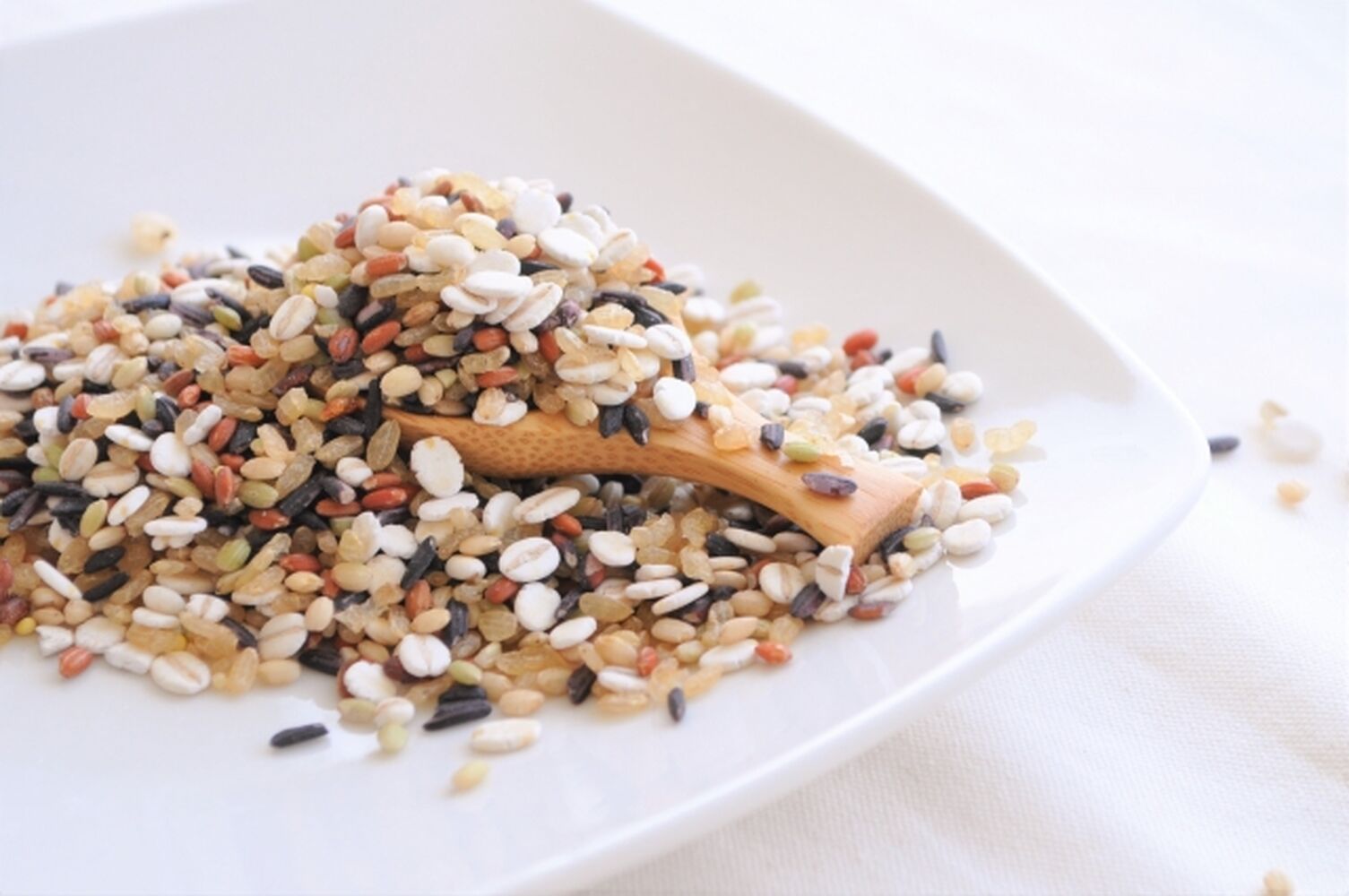
In this article, we will explain in detail why millet is valued as a health food, as well as its specific effects. We will provide information to help you better understand and use millet, from basic knowledge about millet to its effects on health and recommended ways to consume it.
table of contents
-
Basic knowledge of grains
-
What are millet?
-
Types of grains
-
-
Health benefits of millet
-
Nutritious grains
-
Specific health benefits of millet
-
-
How to incorporate grains into your diet
-
Utilizing multigrain bread
-
Introduction of mixed grain rice
-
-
Points to note and solutions
-
Attention to the extraction method of miscellaneous grains
-
Risk of overdose
-
-
How to store grains
-
Important points regarding storage environment
-
How to determine the retention period
-
-
How to cook with millet
-
How to cook grains
-
Recipes using millet
-
-
How to buy miscellaneous grains
-
Tips for finding high-quality grains
-
How to buy at a discount
-
-
Summary: Incorporate grains into your diet as a health food
-
The benefits of incorporating millet into your life
-
Millet as a health food
-
Basic knowledge of grains
First, let's take a closer look at what millet is, its basic characteristics and types.
What are millet?
Millet refers to a variety of grains that are different from the common staple foods such as rice and wheat. By incorporating these millet into our meals instead of regular grains, we can increase the nutritional value and increase the variety of our meals. Millet is currently attracting attention and is supported by many people, especially because of its effects on health.
There are many different types of millet. For example, black rice is characterized by its colorful outer skin and contains a lot of an antioxidant called anthocyanin. Mochi millet has a fragrant flavor and is rich in B vitamins and dietary fiber. Millet is characterized by its fine grains and contains minerals and amino acids, making it a popular millet, especially among health-conscious people. Each of these millet has different nutrients, which increases its value as a health food.
A major feature of millet is its high nutritional value. In general, millet is rich in dietary fiber, which has the effect of supporting the digestive system. Dietary fiber not only regulates intestinal function, but also makes it easier to feel full, making it a great food for people who are thinking about dieting. Millet also contains a lot of minerals and vitamins, and is full of elements that are useful for maintaining daily health.
Furthermore, the antioxidant properties of millet have recently been attracting attention. Antioxidants are believed to remove active oxygen from the body and contribute to the prevention of aging and disease. For this reason, a diet that includes millet is considered healthy.
There are many ways to cook millet. By mixing it with rice or adding it to salads and soups, you can easily incorporate it into your daily life and enjoy it without getting bored. By incorporating millet into your daily life, you can enrich your meals and achieve a healthier diet. We encourage you to rediscover the value of millet as a health food and actively incorporate it into your daily life.
Types of grains
There are many types of millet, each with different nutrients and characteristics. Here are some of the millet that are commonly known in Japan.
First, let's talk about black rice. Black rice is characterized by its colorful outer skin, and is especially rich in anthocyanins, an anti-oxidant. This is said to have the effect of suppressing cell aging and to be useful in maintaining health. Black rice also contains a lot of dietary fiber, which supports intestinal health.
Next, let's talk about mochi millet. Mochi millet is a grain with an appealing soft texture, and is rich in B vitamins and minerals. In particular, it contains many nutrients that are important for efficiently absorbing energy into the body, so incorporating it into your daily meals can replenish your vitality. In cooking, its characteristics can be utilized when used in seasoned rice and porridge.
Next, let's talk about millet. This grain is characterized by its small, fine grains and is especially rich in minerals and amino acids. Millet is easy to digest and has the effect of promoting the absorption of nutrients. Adding it to soups and salads not only increases the nutritional value, but also adds color and texture.
Another grain that is attracting attention is the millet known as 'Hie'. Although it is small, 'Hie' is rich in nutrients, especially iron and dietary fiber. This makes it effective in preventing anemia, and it is a recommended food, especially for women. 'Hie' can be cooked as a stew or risotto.
Finally, regarding millet, millet is highly nutritious and characterized by its small grains. It is rich in amino acids, and contains many ingredients that are especially necessary for growth. Also, like mochi millet, it can be mixed with rice when cooked, which helps to expand the variety even further.
As you can see, there are many different types of millet, and by taking advantage of the characteristics of each, you can effectively support your health. By incorporating a variety of millet into your daily meals, you can improve your nutritional balance and achieve a healthy diet. We encourage you to try using these millet varieties and enjoy meals that fit your lifestyle.
Health benefits of millet
Next, let's take a closer look at the effects of millet as a health food.
Nutritious grains
Millet is widely known as a nutritious food. Compared to rice and wheat, which are the staple foods we usually eat, millet contains many unique nutrients and is useful for maintaining health. First of all, one of the major features of millet is its abundance of dietary fiber. Dietary fiber improves intestinal function and promotes bowel movements, supporting the health of the digestive system. Dietary fiber also has the effect of making you feel full more easily, which is extremely helpful for those who are conscious about dieting.
Millet also contains a lot of minerals and vitamins. For example, millet is rich in minerals necessary for the body, such as calcium, iron, and magnesium, so you can efficiently ingest these. Calcium maintains the health of bones and teeth, and iron plays an important role in producing blood. These nutrients are especially important for growing children, pregnant women, and the elderly.
In addition, the B vitamins contained in millet support energy metabolism and help relieve fatigue. This makes millet an ideal food for people who need energy in their daily lives. It also contains a lot of antioxidants, which are said to remove active oxygen from the body and help prevent aging and various diseases.
It is no exaggeration to say that millet, which has a good balance of nutrients, is a complete nutritional food. By incorporating a wide variety of millet, you can efficiently obtain the necessary nutrients from your daily meals and help maintain your health. Millet is especially useful for busy modern people, as it can easily increase the nutritional value.
As such, millet is a nutritious ingredient and is considered to have great value as a health food. By actively incorporating a variety of millet into your diet, you can improve your daily quality of life. We encourage you to understand the characteristics of various millet and incorporate them into your daily meals.
Specific health benefits of millet
Millet is known to have a variety of health benefits due to its rich nutritional value. The first specific health benefit is that it supports the functioning of the digestive system. The dietary fiber that is abundant in millet helps regulate the intestinal environment. This is important for maintaining gastrointestinal health as it promotes bowel movements and helps prevent constipation. It also helps increase the number of good bacteria in the intestines, which is thought to contribute to improving immunity.
Furthermore, millet is also suitable for those who are thinking about dieting. Because it is rich in dietary fiber, it makes you feel full easily and helps you to avoid snacking. It also has the effect of slowing down the rise in blood sugar level, which can suppress sudden fluctuations in blood sugar level after meals. This stabilizes insulin secretion and helps prevent diabetes.
In addition, millet is expected to have antioxidant effects. In particular, polyphenols and anthocyanins, which are pigment components of black rice and red rice, help remove active oxygen from the body and prevent cellular aging. This is expected to have an effect in preventing lifestyle-related diseases such as cardiovascular disease and cancer.
In addition, the various vitamins and minerals contained in millet also play an important role in maintaining health. For example, iron and zinc improve blood circulation and activate the metabolism, helping to improve physical condition. This will help to create a body that is less prone to fatigue.
Furthermore, millet is attracting attention as an ingredient that makes meals more enjoyable because of its flavor and texture. By incorporating millet, which can be used in a variety of dishes, you can increase the variety of your meals, keep them from getting boring, and experience the health benefits over a long period of time.
As such, millet has many concrete health benefits, and incorporating it into daily life can improve the quality of life. For those who are aiming for a healthy diet, millet is a very worthwhile option.
How to incorporate grains into your diet
We will suggest practical ways to incorporate millet into your life.
Utilizing multigrain bread
Multigrain bread is a very attractive option for health-conscious people. Compared to regular wheat bread, multigrain bread contains a wealth of nutrients and is attracting attention as a healthy food. Multigrain bread contains a lot of dietary fiber, vitamins, and minerals, which are important ingredients that help maintain daily health.
First of all, there are many different types of grains used in multigrain bread, including black rice, millet, and glutinous millet. By combining the characteristics and nutrients of each grain, not only does the bread have a richer flavor and texture, but it also improves its nutritional value. For example, multigrain bread made with black rice has a unique fragrant flavor and is rich in anthocyanins, which are expected to have antioxidant effects. It is also rich in dietary fiber, which can help with dieting.
Multigrain bread can be eaten as is, but it can also be used in a variety of dishes. For example, if you use it as an ingredient in a sandwich, it goes well with the ingredients, allowing you to enjoy a satisfying meal while maintaining a balanced nutritional intake. Another appealing feature is that you can enjoy a variety of flavors by toasting it and spreading jam or butter on it, or eating it with soup.
Another feature of multigrain bread is that it allows a high degree of freedom when you make it at home. You can make your own original multigrain bread by adding other ingredients at home. For example, adding nuts or dried fruit will increase the nutritional value and create a more flavorful bread. Making it at home also allows you to adjust the amount of sugar and additives, making it a healthier choice.
As you can see, multigrain bread is highly nutritious and a convenient ingredient that can be used for a variety of purposes. By incorporating multigrain bread into your daily diet, you can easily get nutrition while enjoying your meals. For those who are health conscious, multigrain bread is a very meaningful item, so please try to actively incorporate it into your diet.
Introduction of mixed grain rice
Mixed grain rice is a healthy option that can be easily incorporated into your daily diet. By adding mixed grains to rice, the nutritional value is significantly increased and the taste is enriched. To make mixed grain rice, all you need to do is wash the basic rice and add the appropriate amount of mixed grains, so it doesn't take any special effort.
The grains used in mixed grain rice include black rice, millet, barnyard millet, and glutinous millet. Each of these grains contains different nutrients, so by combining them you can get a wider range of nutrients. For example, adding black rice allows you to consume anthocyanins, which have antioxidant properties. Meanwhile, millet and glutinous millet help you replenish energy efficiently.
The type and ratio of grains can be adjusted to your liking. For example, it is easy and recommended to use around 10% to 20% of the total rice as grains. With this ratio, you can enjoy the flavor of the grains while getting a good balance with the texture of regular rice. It is also important to prepare the grains by washing them with water beforehand. This will remove any excess scum and bran from the grains, resulting in more delicious cooked rice.
Mixed grain rice can be eaten as is, but it can also be enjoyed even more by combining it with various ingredients. For example, adding vegetables, fish, or meat to the rice will increase its nutritional value and make it more filling. It is also recommended to chill mixed grain rice and make it into rice balls. Nutritious bento lunches can be easily made, making it a convenient choice for busy housewives and working people.
In this way, mixed grain rice is a healthy food that is easy to incorporate into your diet and an item that enriches your daily diet. Why not give mixed grain rice a try to increase the nutritional value and expand the enjoyment of meals? You may discover a new taste while leading a healthy diet.
Points to note and solutions
We will explain the precautions and measures to take when incorporating miscellaneous grains into your diet.
Attention to the extraction method of miscellaneous grains
The important thing when incorporating millet into your diet is the right method of extraction. Millet is a nutritious food, but depending on the cooking method, the nutrients may not be fully absorbed. Therefore, it is necessary to prepare and cook millet in the right way.
First of all, it is important to always wash grains with water before cooking them. This will remove the bran and dirt that is attached to the grains, resulting in a more delicious dish. In particular, washing black rice and glutinous millet thoroughly before using them will bring out their unique flavor.
Next, when cooking mixed grain rice, it is important to use the right amount of water. Mixed grains absorb water more easily than regular rice, so you will need to add a little more water when cooking. The specific amount of water varies depending on the type of mixed grain, so it is important to check the recipe in advance and review the settings on your rice cooker.
You also need to pay attention to the cooking time for millet. If you cook it for too long, nutrients can be lost and the texture can be damaged. Conversely, if you cook it for too short, the millet may not swell enough and the texture may become poor. It is important to understand the characteristics of each millet and determine the appropriate cooking time.
Finally, when cooking with millet, pay attention to the balance of seasonings and other ingredients. By limiting salt and sugar and following a healthy diet, you can bring out the natural flavor of millet.
In this way, when incorporating millet into your diet, you can make the most of its nutritional value by paying attention to the extraction and cooking methods. In order to realize the benefits of millet as a health food, it is important to prepare thoroughly in advance, so please try to incorporate millet into your meals today.
Risk of overdose
Millet is an excellent food with many health benefits, but consuming too much of it can have adverse effects on the body. The first thing to pay attention to is the amount of dietary fiber it contains. Dietary fiber aids digestion and regulates the intestinal environment, but consuming too much can cause unpleasant symptoms such as indigestion, abdominal bloating, and even diarrhea. In particular, if you don't normally consume much dietary fiber, your body will not be able to adapt to the change and you will be more likely to experience problems if you suddenly eat a large amount of millet, so you need to be careful.
Also, some types of millet contain a lot of minerals. In particular, millet and foxtail millet have the property of naturally concentrating nutrients. Excessive intake of these grains can cause certain minerals to accumulate in the body, posing a risk of harming health. For example, consuming too much of a grain that is high in iron can cause the iron in the blood to reach dangerous levels, adversely affecting the body.
Furthermore, even though millet is low in calories, if you eat more of it, your total calorie intake will increase. In particular, if people who are dieting are overconfident and eat too many millet, their calorie intake will increase more than expected, which can have the opposite effect.
As such, in order to utilize millet in a healthy way, it is important to consume it in moderation. Ideally, it is recommended to incorporate millet as part of your staple food and aim for a balanced diet. While enjoying the nutritional value of millet, it is important to understand the risks of overeating and use them wisely. Let's enjoy the appeal of millet while protecting our health.
How to store grains
By storing millet properly, you can maintain its nutritional value and use it at any time as part of a healthy diet.
Important points regarding storage environment
In order to store millet properly, it is very important to pay attention to the storage environment. Millet is sensitive to humidity and temperature, so by using clever storage methods, it is possible to maintain its nutritional value and deliver it to the table at a high quality.
First of all, millet should be stored in a cool, dark place out of direct sunlight. Direct sunlight can damage the color and flavor of millet and cause the nutrients to deteriorate. It is especially important to avoid light, as millet contains many light-sensitive components such as linoleic acid and B vitamins.
Next, you need to be careful about humidity. Storing millet in a high humidity environment can cause mold and insects to appear. When storing millet, it is best to choose a place with low humidity and keep it in a stable state by moving it as little as possible. For example, storing opened millet in an airtight container will prevent moisture from entering from the outside and increase safety.
Temperature control is also an important point. High temperatures can cause grains to deteriorate quickly, so it is recommended to store them in a cool, dark place. It is also a good idea to consider storing them in the refrigerator, especially in summer and other humid seasons.
In this way, by storing millet in the right environment, you can retain its nutritional value and enjoy it deliciously and healthily for a long period of time. By understanding the characteristics of millet and practicing appropriate storage methods, you can enrich your daily diet.
How to determine the retention period
In order to use millet for a long time in a fresh state, it is important to determine the storage period. As the storage period of millet varies depending on the type, it is important to know the specific guideline. First of all, unopened millet can usually be stored in a cool, dark place for about six months to a year. At this point, it is a good idea to check the condition of the packaging and the manufacturer's labeling to find out how long it can be stored for peace of mind.
On the other hand, since opened millet is affected by the storage environment, it is recommended to use it as soon as possible. In most cases, opened millet can be stored in an airtight container in the refrigerator for about one to three months. It is a good idea to consume it as soon as possible, while paying attention to changes in humidity and temperature.
You should also pay attention to the appearance and smell of the grains. After a certain period of storage, they may change color or have an unpleasant odor. It is especially important to check them regularly, as mold and insects may appear. If you notice anything unusual, it is safer to avoid using them.
Furthermore, when assessing the shelf life of millet, we recommend choosing packaging that has a date printed on it. By carefully checking the expiration date and best before date, you can avoid waste and enjoy millet in a fresh state at any time.
As you can see, determining the storage period of millet is an important point for maintaining its quality. With the right knowledge, you can make good use of millet and help support a healthy diet.
How to cook with millet
Here are some basic cooking methods to make the most of grains.
How to cook grains
In order to cook millet well, there are a few points you should keep in mind to make delicious rice. The first thing to consider is how to choose the millet. Generally, there are many different types of millet, such as black rice, millet, glutinous millet, and barnyard millet, but when mixing and cooking these with rice, the texture and flavor will change depending on which millet you use.
Next, it is important to wash millet thoroughly before cooking it. Millet tends to retain bran and impurities, so wash it several times in water and rinse carefully until it feels smooth to the touch. This will bring out the natural umami and flavor of the millet.
After that, it is a good idea to soak the washed grains in an appropriate amount of water. This will help the grains absorb the water and make them fluffy when cooked. The soaking time will vary depending on the type, but a good rule of thumb is about 30 minutes to an hour.
After soaking, place the grains in a rice cooker or pot and add water in the same way as you would with regular rice. It is important to adjust the amount of water depending on the type of grain. For example, grains absorb water easily, so it is generally a good idea to add about 10 to 20 percent more water than the amount of rice.
The cooking time varies depending on the grains used, so use the mode on your rice cooker, or if you are cooking in a pot, cook slowly over low heat. After cooking, let the rice steam for about 10 minutes before mixing to create fluffy rice with better grain structure.
In this way, by knowing how to cook millet properly, you can enjoy delicious millet rice. Please try this rice that brings out the flavor of the millet.
Recipes using millet
There are a wide variety of recipes that use whole grains, but here we will introduce some recommended dishes that are easy to make.
The first dish I would like to introduce is "mixed grain salad." All you have to do is cool cooked mixed grain rice and mix it with your favorite vegetables (tomatoes, cucumbers, bean sprouts, etc.). If you use olive oil or lemon juice as a dressing, it will have a refreshing taste. You can enjoy the texture of the mixed grains and the crunchiness of the vegetables, making it a nutritious dish.
Next is "Risotto with grains". Fry onions, add rice and grains, then simmer while gradually adding vegetable broth and water to create a creamy and nutritious risotto. Add chicken, mushrooms, and spinach to the ingredients to make it more filling.
Finally, we recommend "mixed grain porridge." By adding mixed grains and water and slowly simmering over medium heat, you can create a mild porridge-like dish. Add salt and dashi stock to taste, and top with spring onions or pickled plums to taste for a simple yet satisfying breakfast or snack.
Through these recipes, you can enjoy the diverse ways in which millet can be used. We encourage you to incorporate millet into your daily meals and enjoy delicious food while maintaining a balanced nutritional intake.
How to buy miscellaneous grains
Here are some points to consider when purchasing miscellaneous grains.
Tips for finding high-quality grains
In order to find good quality millet, it is important to pay attention to a few points. First, when selecting millet, check for uniformity in color and shape. If the grains vary in size and color, the quality may be uneven. Also, check for any unusual odors; a good smell is an indicator of freshness.
It is also important to carefully check the ingredient label. By choosing products with fewer additives and preservatives, you will be able to consume grains in a more natural state. Products labeled as organic are safe to eat because they are grown without the use of pesticides or chemical fertilizers.
It is also important to buy from trusted retailers and brands. It is a good idea to choose a store that deals in quality products, such as a specialty store or a direct sales site. If the product is sold directly by a local farmer, it will be fresh and the nutritional value will be maintained.
By paying attention to these points and finding high-quality millet that suits you, you can help support a healthy diet. Choose millet wisely and incorporate it into your daily meals.
How to buy at a discount
There are several ways to purchase miscellaneous grains at a good price. First, one option is to consider buying in bulk. For many miscellaneous grains, the unit price is often cheaper when purchased in large bags than when purchased in small quantities. In particular, for those who use miscellaneous grains on a daily basis, buying in bulk can reduce the financial burden.
Another good way is to use online shops. Recently, various online shopping sites have started selling miscellaneous grains, and they regularly hold sales and offer points. In particular, if you register as a member, you can often receive discount coupons and points, which can help you make even better purchases.
We also recommend visiting local agricultural markets and farm shops. As they are sold directly by local farmers, you can get fresh millet and the price is also cheap. Another attraction is that you can enjoy direct interaction with the farmers.
Take advantage of these methods to purchase millet at a good price and help maintain a healthy diet.
Summary: Incorporate grains into your diet as a health food
So far, we have explained everything from basic knowledge about millet to how to consume it, how to cook it, and how to purchase it. Use this information to make the best use of millet as a health food.
The benefits of incorporating millet into your life
There are many benefits to incorporating millet into your life. Firstly, millet is highly nutritious, containing plenty of dietary fiber, minerals and vitamins. This allows you to get a balanced nutritional intake, which helps maintain your health. Millet also makes you feel full easily, and is garnering attention as a food that supports dieting.
Furthermore, millet offers a wide variety of flavors and textures, bringing variety to your daily meals. This not only broadens the enjoyment of meals, but also promotes well-balanced eating habits. In addition, many millet varieties have a low risk of causing allergies, making them a food that can be safely incorporated into your diet, especially for those with allergies to wheat or rice.
In this way, by incorporating millet into your diet, you can achieve a healthy lifestyle while also getting the nutritional benefits and enjoying good food.
Millet as a health food
Millet is loved by many people as a health food due to its unique high nutritional value. Millet contains a lot of dietary fiber, minerals, and vitamins, which are essential elements for maintaining good health. Millet also helps to suppress the rise in blood sugar levels, and is considered to be effective for dieting and preventing diabetes.
Furthermore, they contain many ingredients with antioxidant properties, which remove active oxygen from the body and contribute to the prevention of aging and lifestyle-related diseases. Due to these diverse health benefits, millet plays an important role in modern diets. Adding easy-to-incorporate millet to your daily meals can help support your health.
NEW
Why should you buy health foods online? A thorough explanation of the reasons and benefits.
query_builder 2026/07/13[Must-see!!] The hidden power of black garlic! A thorough explanation of S1PC's anti-aging effects.
query_builder 2026/06/18Black GarlicBlack GarlicBeautyBeautySurprising uses for sea buckthorn in the remote region of Mongolia! Discover its appeal as a health food
query_builder 2025/12/08Sea BuckthornSea BuckthorndietdietBeautyBeautyA health ally! A thorough comparison of the nutritional components of sea buckthorn juice!
query_builder 2025/10/27Sea BuckthornSea Buckthorn