The surprising world of mayonnaise, a healthy food
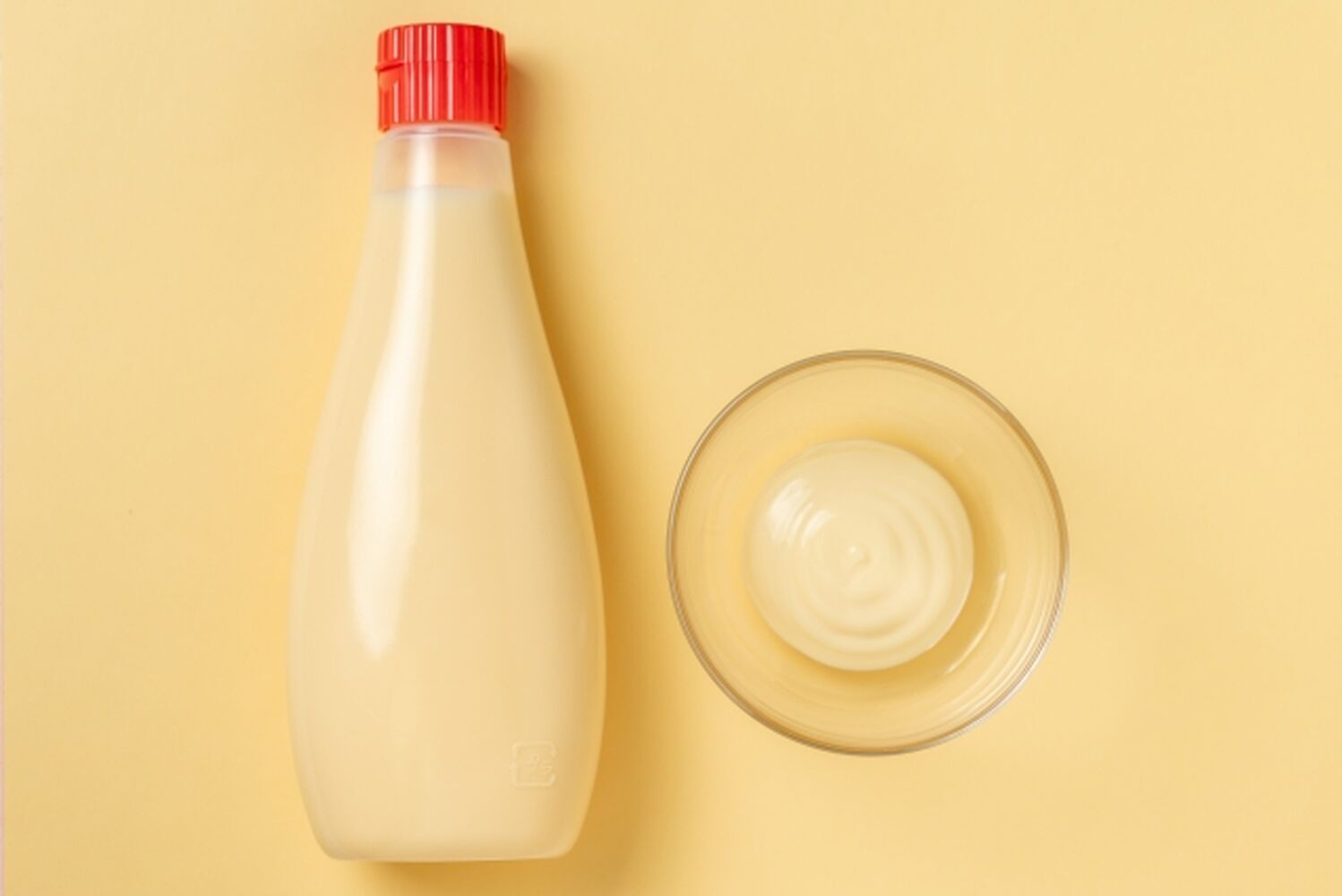
Did you know that mayonnaise is a health food? In this article, we will tell you the surprising reasons why, and give you some tips on how to enjoy mayonnaise in a healthier way.
table of contents
-
What is mayonnaise?
-
The origin of mayonnaise
-
The History of Mayonnaise
-
-
Mayonnaise as a health food
-
Mayonnaise nutritional value
-
Health benefits of mayonnaise
-
-
Types of Mayonnaise
-
The main types of mayonnaise
-
How to Choose and Use Mayonnaise
-
-
How to make healthy mayonnaise
-
Ingredients for Healthy Mayonnaise
-
How to make healthy mayonnaise
-
-
Recipes using mayonnaise
-
Mayonnaise and vegetable salad
-
Grilled dishes with mayonnaise
-
-
How to store mayonnaise
-
Where to store mayonnaise
-
Mayonnaise expiration date and best before date
-
-
Health Considerations of Mayonnaise
-
Calories in Mayonnaise
-
Mayonnaise intake recommendations
-
-
How to Enjoy Mayonnaise Even More
-
Presentation of mayonnaise usage
-
Summary of how to enjoy mayonnaise in a healthy way
-
What is mayonnaise?
First of all, what is mayonnaise? Let's start by looking at what kind of food mayonnaise is.
The origin of mayonnaise
When we think about the origin of mayonnaise, its history is surprisingly long and interesting. First of all, mayonnaise is a white sauce made by emulsifying the basic ingredients of oil, eggs, and vinegar. It is very widely used in Western cuisine and is often served on salads, sandwiches, and various other dishes.
Its origins date back to the 18th century. It is said that mayonnaise was created during a time when French chefs were searching for new sauces. One theory is that the name mayonnaise comes from the French port city of Mahon. Mahon was a thriving trade area between England and France at the time, and olive oil and other seasonings were in circulation. It is thought that chefs there used the technique of emulsifying oil with eggs to create the new sauce.
At first, mayonnaise was only used in certain dishes, but its versatility has led to it being incorporated into many dishes. It is known that adding it to vegetable and meat dishes enhances their flavor. Mayonnaise's rich flavor and creamy texture have made it an indispensable element in cooking.
In the 19th century, mayonnaise spread from France to more countries and its popularity grew. In the process, many variations were created and became ingrained in the food culture of each country. For example, in the United States, mayonnaise is an essential ingredient in sandwiches and coleslaw, and is a staple of home cooking.
In this way, tracing the origins of mayonnaise makes clear its importance in history and food culture. Mayonnaise has continued to be loved throughout the ages, and has established its position as one of the health foods supported by many people today. We can continue to rediscover its appeal and enjoy incorporating it into a variety of dishes.
The History of Mayonnaise
The history of mayonnaise is much deeper than we might imagine. As mentioned above, mayonnaise was created in France in the 18th century, but its subsequent development has influenced the food culture of many countries and regions.
First, the mid-19th century marked a major turning point when mayonnaise was introduced from France to America. As French cuisine became popular in America, mayonnaise began to be used in many homes. In America, it became an essential condiment for sandwiches and salads, and various commercial brands began producing the sauce. As a result, mayonnaise became even more popular as a food, and American-style variations began to emerge one after another.
In the 20th century, mayonnaise's uses expanded, and healthy and additive-free products appeared. It established itself as a convenient ingredient for busy modern people to enjoy delicious food without much effort. Around this time, mayonnaise also became widely used as an ingredient in salad dressings and dips, greatly expanding the variety of dishes available.
Furthermore, there was a movement to reevaluate the health benefits of mayonnaise. For example, the nutrients contained in eggs and oils containing unsaturated fatty acids were highlighted, and mayonnaise was positioned as a health food. As a result, mayonnaise came to be seen as a nutritious food rather than just a seasoning.
Recently, organic and low-calorie products have also been sold, responding to an increasingly diverse food culture. In this way, mayonnaise has undergone various changes throughout its history and continues to evolve with the times. From the past to the present, mayonnaise has become an ingredient that continues to be loved by many people, and it is safe to say that its appeal will not change in the future. Mayonnaise, which is rooted in the cuisine and culture of each country, will continue to offer new ways to enjoy food.
Mayonnaise as a health food
Next, I will explain why mayonnaise is considered a health food.
Mayonnaise nutritional value
Mayonnaise may appear to be a creamy, rich-tasting condiment, but it is actually packed with nutrients. This is largely due to the fact that its main ingredient, eggs, are a major factor in its high nutritional value.
First of all, eggs are known as a food rich in vitamins and minerals. The B vitamins in particular play an important role in aiding energy metabolism and maintaining bodily functions. For example, vitamin B2 contributes to maintaining healthy skin and hair, and vitamin B12 supports the health of the nervous system. Eggs also contain vitamin D and vitamin A, which are said to have a positive effect on bone health and eyesight.
In addition, mayonnaise contains a lot of unsaturated fatty acids. The oils commonly used are olive oil and rapeseed oil, which are said to be useful in preventing heart disease. Unsaturated fatty acids are a necessary source of energy for the body and also help improve cholesterol levels, so incorporating them into your diet can be expected to have health benefits.
Mayonnaise also contains minerals, especially zinc and selenium, which are important components that support immune function. By enjoying mayonnaise in moderation, you can efficiently consume these nutrients. Of course, excessive intake should be avoided, but depending on how you incorporate it into your diet, you can enjoy the benefits of these nutrients.
As you can see, mayonnaise is not just a seasoning, but also plays an important role in terms of nutritional value. When using it in salads or sandwiches, combining it with healthy ingredients makes it possible to maintain good health while enjoying a delicious meal. Understanding the nutritional value of mayonnaise will help you to use it as part of a healthier diet.
Health benefits of mayonnaise
Mayonnaise is not only rich in nutrients, but is also thought to have a variety of health benefits. One of these is its effect of supporting cardiovascular health. In particular, depending on the type of oil used in mayonnaise, it may contain a lot of unsaturated fatty acids, which may contribute to improving cholesterol levels. It is also attracting attention from health-conscious people, as consuming an appropriate amount of mayonnaise made with high-quality oils is said to help reduce the risk of heart disease.
In addition, mayonnaise contains ingredients that have antioxidant properties. In particular, vitamin E, which is contained in eggs, is known as an antioxidant that protects cells and helps reduce oxidative stress in the body. This is said to help prevent various diseases.
It has also been noted for its skin-beautifying effects. This is because the nutrients from the eggs contained in mayonnaise have a positive effect on the skin. Vitamins A and D in particular are said to aid in skin turnover, prevent dryness, and moisturize the skin. By consuming mayonnaise, you may be able to achieve beautiful skin from the inside out.
In addition, mayonnaise can be expected to have the effect of promoting satiety, making it useful for people on a diet. By incorporating it in moderation, it can improve overall meal satisfaction and help prevent overeating, so it can also help you maintain a balanced diet.
However, of course, you should be careful. Mayonnaise is high in calories, so consuming too much of it can be counterproductive. It is important to be conscious of the amount you consume in moderation in order to enjoy the health benefits. Overall, by incorporating mayonnaise wisely into your diet, you can expect a variety of health benefits. Why not take advantage of the properties of mayonnaise to create a rich dining table and enjoy healthy and delicious meals?
Types of Mayonnaise
There are many different types of mayonnaise. Let's take a look at their characteristics and how to use them.
The main types of mayonnaise
There are many different types of mayonnaise, each with different characteristics and flavors. The first and most common is original mayonnaise, which is made from eggs, oil, and vinegar as a base and has a creamy, rich taste. It is versatile and can be used in salads, on sandwiches, as a dip, and is a staple in many households.
Next, there is additive-free mayonnaise. This is made using only natural ingredients without preservatives or additives. It is often popular among health-conscious people, and has the advantage of being safe to eat. It also goes well with dishes because it brings out the flavor of the ingredients.
Furthermore, healthier mayonnaise is also on the rise. Many of them are low-calorie and low-fat, making them popular with diet-conscious people. Vegan mayonnaise that uses plant-based oils and does not contain eggs is also now available, making it a safe option for vegans and those who avoid dairy products.
Spicy mayonnaise is also gaining attention. For example, mayonnaise with hot sauce or wasabi adds a tangy spiciness that enhances dishes and goes particularly well with grilled and fried foods. These mayonnaises offer new dining experiences for those looking for a change in flavor.
Furthermore, there is also mayonnaise as a local specialty. Mayonnaise is produced using the unique flavors and ingredients of each region, and can be enjoyed in combination with local ingredients. Because you can enjoy mayonnaise while experiencing the culture of each region, it is often a popular souvenir or gift.
As you can see, there are many different types of mayonnaise, each with its own unique features. By choosing the right one to go with your dish, you can bring out the best in mayonnaise. Finding the perfect mayonnaise for you based on your health and preferences is part of the fun.
How to Choose and Use Mayonnaise
When choosing mayonnaise, it is important to first consider your preferences and intended use. For example, typical original mayonnaise is creamy and flavorful, and goes well with sandwiches and salads. However, if you are concerned about your health, you can reduce the fat and calories by choosing additive-free or low-calorie mayonnaise. Nutritious, low-calorie options are especially effective for those on a diet.
For health-conscious people and those who are particular about ingredients, organic or plant-based mayonnaise is also recommended. These do not contain animal ingredients and are therefore safe for vegans and those with dairy allergies. These options are also popular with those who practice a lifestyle that is considerate of the environment and animal welfare.
Mayonnaise can also be used in a wide variety of ways. In everyday cooking, it can be used as a salad or spread, as a dip or topping, or in stir-fries. When used as a marinade for baked or fried foods, it enhances the flavor and brings out the umami of the ingredients. Spicy mayonnaise can be added to grilled vegetables or seafood dishes to add a tangy accent and whet the appetite.
It's also important to choose mayonnaise that matches the dish. For example, additive-free mayonnaise goes well with fresh vegetables, and you can try a spicy variation for a party. You can also make your own mayonnaise at home to enjoy your favorite seasonings. By using fresh ingredients, you can enjoy a healthy and flavorful mayonnaise.
Finally, you should also pay attention to storage methods. After opening, store in the refrigerator and try to use it as soon as possible. Proper storage methods will help preserve the flavor and nutritional value of mayonnaise. Choose the mayonnaise that suits you from the wide variety available and use it in your cooking to make your daily meals more enjoyable and healthy.
How to make healthy mayonnaise
Here we will show you how to make healthy mayonnaise at home.
Ingredients for Healthy Mayonnaise
To make healthy mayonnaise, it is important to choose high-quality ingredients. First, the basic ingredient is eggs. Using fresh eggs will give you a nutritious and creamy mayonnaise. Choosing organic eggs in particular is a safer and healthier choice.
Next, the choice of oil is also important. Most mayonnaise uses vegetable oil, but we recommend choosing olive oil or rapeseed oil. Olive oil is rich in unsaturated fatty acids that support cardiovascular health, and rapeseed oil also contains vitamin E and omega-3 fatty acids. These are suitable ingredients for healthy mayonnaise, and can improve the flavor and nutritional value.
In addition, vinegar is needed to add sourness. If you use white wine vinegar or apple cider vinegar for homemade mayonnaise, it will add a refreshing sourness and balance the taste. This will not only enhance the aroma and flavor of the mayonnaise, but it will also help regulate your intestinal environment.
Finally, you can improve the flavor by adding salt and spices. By using natural salt, you can adjust the taste without reducing the minerals. Also, by adding black pepper, paprika, garlic powder, etc., you can deepen the aroma and flavor and create a more unique mayonnaise.
As you can see, the key to making healthy mayonnaise is fresh eggs, good quality oil, natural vinegar, and the right seasonings. By combining these ingredients in an ingenious way, you can enjoy nutritious and flavorful mayonnaise, which can be used as part of your daily diet. Homemade mayonnaise is an attractive option that allows you to enjoy your favorite flavors with peace of mind.
How to make healthy mayonnaise
Making healthy mayonnaise is very simple and anyone can easily try it. First, prepare all the necessary ingredients: 1 fresh egg, about 150 milliliters of good quality oil (such as olive oil or rapeseed oil), 1 tablespoon of white wine vinegar or apple cider vinegar, a little salt, and spices to taste.
Next, prepare the equipment to make mayonnaise. You can easily emulsify it using a blender or hand mixer. First, crack the eggs into a bowl and add the vinegar and salt. At this point, mix the eggs and vinegar well to make it easier to emulsify.
Then, add the oil little by little while running the blender. The key is to pour the oil in little by little at first, rather than adding it all at once. Continue blending until the blender emulsifies the eggs and oil and turns it into a creamy mayonnaise. Once the mixture is homogenous, add additional salt and spices to taste.
Once the mayonnaise is ready, transfer it to a storage container and store it in the refrigerator. Homemade mayonnaise has a shorter shelf life than commercial mayonnaise, so we recommend using it within a few days. You can also use it as a spread for salads or sandwiches, or as a dip for parties.
As you can see, healthy mayonnaise can be easily made at home, and by using fresh ingredients, you can enjoy a tastier and healthier meal. It's also fun to adjust the flavor to your liking, and it's a great idea for broadening your cooking options. Why not try making your own mayonnaise?
Recipes using mayonnaise
Mayonnaise is an easy-to-use ingredient for everyday cooking. Here are some recipes to try.
Mayonnaise and vegetable salad
Mayonnaise and vegetable salad is one of the delicious and nutritious dishes that can be easily made. Combining fresh vegetables with mayonnaise not only makes it colorful and visually appealing, but also makes it a delicious dish. Here we will introduce the basic recipe and how to make variations.
First, the vegetables used as basic ingredients are generally cabbage, lettuce, tomatoes, cucumbers, etc. Cut them to your liking and put them in a large bowl. Choosing fresh vegetables will enhance the overall flavor of the salad.
Next, prepare the mayonnaise. Using homemade healthy mayonnaise will make your salad even healthier. Add an appropriate amount of mayonnaise to the prepared vegetables and mix well. Adjust the amount of mayonnaise to your liking. The flavor of the mayonnaise will mix well with the vegetables, making them easier to eat and more satisfying.
For extra flavor, try adding a sprinkle of salt and pepper or a dash of lemon juice, which will add a tangy, refreshing flavor, or you can add olive oil or vinegar to create a balanced dressing.
This salad is great not only as a standalone dish, but also as a side dish to a main dish. It will add color and liven up your lunch or dinner table. It's also a great dish to prepare and store for easy nutrition.
Mayonnaise and vegetable salad is a simple yet versatile healthy dish. Try making your own salad using colorful vegetables. It will add more flavor and nutrition to your daily meals.
Grilled dishes with mayonnaise
Grilling with mayonnaise is one of the most attractive ways to enjoy delicious food easily and hassle-free. The creamy richness and flavor of mayonnaise permeates the ingredients thoroughly, making them juicy. Here we will introduce the basic cooking method for grilling with mayonnaise.
First, the recommended ingredients are chicken, fish, and vegetables. Chicken breast and thighs go particularly well with mayonnaise, and you can enjoy a moist texture when grilled. For fish, salmon and cod are good choices. In addition, if you choose grilled vegetables such as peppers, zucchini, and eggplant, you will have a colorful and nutritious dish.
The cooking method is very simple. First, choose the ingredients, prepare a suitable amount of mayonnaise, and add flavor by mixing herbs and spices (such as lemon juice and garlic) to your liking. After that, spread the mayonnaise evenly over the entire ingredients and marinate for a while to let the flavors blend together, which will make it even more delicious.
Next, preheat the grill pan or oven and arrange the marinated ingredients on the grill. Grill the chicken until golden brown on both sides, and remove the fish and vegetables when they are browned. Once cooked, serve on a plate and sprinkle with fresh herbs for a visually stunning dish.
As you can see, grilling with mayonnaise is simple, flavorful, and brings out the umami of the ingredients. It's perfect for barbecues and home dinners, and you can enjoy it with your family and friends. Try combining it with various ingredients to create your own original grilled dishes.
How to store mayonnaise
One thing to be careful about is how you store mayonnaise. If you don't store it properly, it can lose quality.
Where to store mayonnaise
The storage location of mayonnaise is very important in maintaining its quality. Unopened mayonnaise can be stored at room temperature, but it is necessary to avoid direct sunlight and high temperatures. In particular, a cool, dark place where the temperature is kept constant is ideal. For example, a kitchen cupboard or drawer, away from moisture and heat, is ideal.
On the other hand, mayonnaise should be stored in the refrigerator after opening. After opening, the ingredients in mayonnaise tend to deteriorate, so be sure to store it in the refrigerator with the lid tightly closed. If the temperature inside the refrigerator is kept at around 0 to 5 degrees, the flavor and quality of the mayonnaise can be maintained for a long time.
It is also important to store it as far away as possible from other strong-smelling foods. Mayonnaise, by its very nature, has the tendency to easily absorb the smells of its surroundings, so if it is stored near strong-smelling foods such as spices or seafood, it may affect its flavor.
Finally, it is recommended that you use up mayonnaise as soon as possible after opening. Generally, if stored in the refrigerator, it is best to consume it within one to two months. It is important to remember to store it properly in order to enjoy mayonnaise safely while maintaining the quality of the ingredients.
Mayonnaise expiration date and best before date
Understanding the expiration date and best before date of mayonnaise is important for safe use. The expiration date indicates the period during which the quality of the product is guaranteed when unopened. Usually, the expiration date written on the package is for unopened products, and is generally set at about one year. It is said that you can enjoy the flavor and texture within this period.
On the other hand, the concept of expiration date is important when it comes to mayonnaise after it has been opened. Once opened, the quality deteriorates depending on the storage environment and frequency of use, so it is recommended to use it up as soon as possible. Generally, if stored in the refrigerator, it is best to use it within one to two months after opening. It may still be safe to eat after this period, but it is important to check for any changes in appearance, aroma, or deterioration in taste.
Also, if discoloration or mold appears on the surface of mayonnaise, it should be discarded immediately. For safety reasons, if there is an abnormal smell or appearance, do not hesitate to stop using it. Mayonnaise is a convenient and delicious condiment, but by carefully managing its quality, it can be enjoyed in a healthy way. With the correct understanding and care, you can use mayonnaise effectively.
Health Considerations of Mayonnaise
However, tasty mayonnaise also contains calories, so it's important to consider your health when consuming it.
Calories in Mayonnaise
The calories in mayonnaise come from its ingredients. The calorie content of regular mayonnaise is said to be around 700 kcal per 100 grams. This high calorie content is mainly due to the fact that most of it is oil. Mayonnaise usually contains salad oil or olive oil, which are rich sources of energy.
Therefore, if you use mayonnaise on a daily basis, you need to be careful about the amount you consume. In particular, even one teaspoon of mayonnaise (about 15 grams) can contain nearly 100 kilocalories. Being aware of this calorie count is important when thinking about dieting and health.
However, mayonnaise also contains other nutrients, so it's not just high in calories. Made with fresh eggs and high-quality oil, mayonnaise also contains vitamins, minerals, and unsaturated fatty acids, so incorporating it into your diet can help you become a healthy eater.
In other words, it's important to understand the calories in mayonnaise and enjoy it in moderation. While it adds color and flavor to dishes, being conscious of calories and using it wisely can help you achieve a healthier diet. Let's make good use of mayonnaise while keeping in mind the balance.
Mayonnaise intake recommendations
When it comes to consuming mayonnaise, it is important to consume in moderation while taking health into consideration. In general, the recommended daily intake of mayonnaise is one to two tablespoons (about 15 to 30 grams). If you stay within this range, you can enjoy the flavor of mayonnaise while controlling your calorie and fat intake.
It is important to start with a small amount and adjust according to your taste, especially when putting it on salads or sandwiches. Also, when using mayonnaise, it is a good idea to consider combining it with other seasonings and oils and to be conscious of the overall calorie content when cooking.
Furthermore, those who value health can incorporate mayonnaise into their diet in a healthier way by choosing low-calorie or additive-free mayonnaise. From the perspective of weight management and health maintenance, it is possible to enjoy delicious meals while being conscious of the amount of mayonnaise you consume. By keeping in mind the appropriate amount, you can effectively use mayonnaise in your cooking and lead a healthy diet.
How to Enjoy Mayonnaise Even More
With all this information in mind, here are some final tips to help you enjoy mayonnaise even more.
Presentation of mayonnaise usage
Mayonnaise is a very useful seasoning that can broaden the range of dishes you can make. First of all, it is commonly used in salads, but it is also an excellent choice as a dressing substitute. By combining it with various vegetables, you can enjoy a rich flavor. Also, when used as a dip for vegetable sticks or crunchies, it becomes a dish that allows you to easily consume nutrients.
Mayonnaise is also a great marinade for grilled foods, adding texture and flavor to chicken or fish before grilling, and can also be used as a spread on sandwiches or toast for an easy, delicious lunch.
As you can see, mayonnaise can be used in a wide variety of dishes, so try making the most of it at your home dinner table. By trying it in various recipes, you will discover new ways to enjoy food.
Summary of how to enjoy mayonnaise in a healthy way
To enjoy mayonnaise in a healthy way, it is important to be conscious of the amount you consume. In general, one to two tablespoons is a good amount to use as a flavor for salads, toast, and grilled dishes. You can also choose additive-free or low-calorie mayonnaise to achieve an even healthier diet.
By using mayonnaise in a creative way to suit your cooking, you can make the most of its nutrients and flavor. By combining it with vegetables or using it as a marinade for grilled dishes, you can add color and flavor to your dinner table. Through these efforts, you can incorporate mayonnaise into your diet as a healthy and enjoyable ingredient and lead a comfortable life. By finding ways to enjoy your food while getting the right nutrients, you can maintain your health.
NEW
Why should you buy health foods online? A thorough explanation of the reasons and benefits.
query_builder 2026/07/13[Must-see!!] The hidden power of black garlic! A thorough explanation of S1PC's anti-aging effects.
query_builder 2026/06/18Black GarlicBlack GarlicBeautyBeautySurprising uses for sea buckthorn in the remote region of Mongolia! Discover its appeal as a health food
query_builder 2025/12/08Sea BuckthornSea BuckthorndietdietBeautyBeautyA health ally! A thorough comparison of the nutritional components of sea buckthorn juice!
query_builder 2025/10/27Sea BuckthornSea Buckthorn