A thorough explanation of the standards for organic and additive-free health foods! What is the truth?
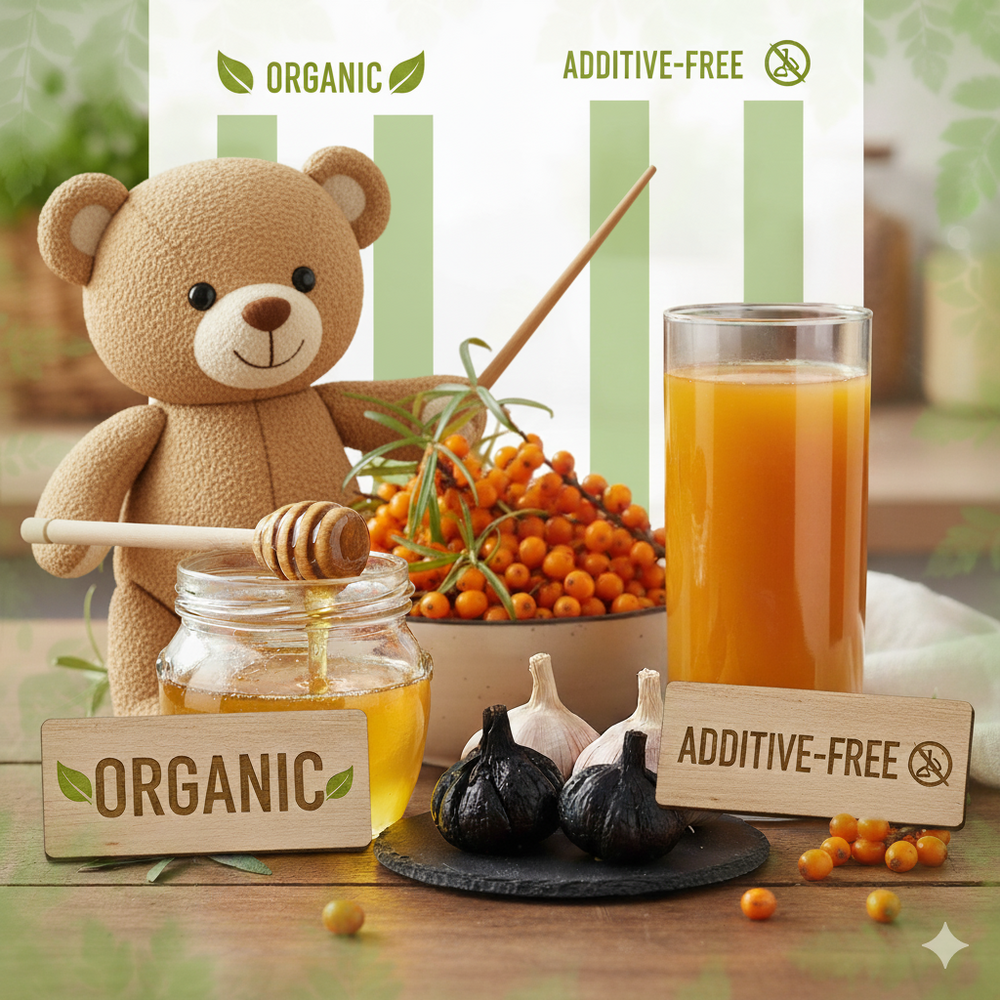
For health-conscious people, organic and additive-free foods are very attractive options. However, few people may know the exact numbers and evidence on which standards they are based. This article explains in detail the specific conditions required for a product to be labeled as organic or additive-free. It provides easy-to-understand explanations of important information that consumers should know when considering maintaining their health. Understand the differences and characteristics between organic and additive-free foods and use this information as a reference for choosing foods with peace of mind. #NaturalFood #HealthConscious #Sustainable #FoodStandards #NutritionalValue
table of contents
-
What are the standards for organic food and what are their rationales?
-
The process leading up to organic certification
-
Organic standards in concrete numbers
-
-
The definition of additive-free foods and their reality
-
Guidelines for labeling products as additive-free
-
Examples of additive-free foods and points to note
-
-
Understanding the Difference Between Organic and Additive-Free
-
Differences in the manufacturing process and their effects
-
Health and environmental impacts
-
-
Why choose additive-free foods?
-
The appeal of additive-free foods as seen through consumer feedback
-
Additive-free foods and reduced health risks
-
-
Points to consider when choosing health foods
-
How to read labels and verify authenticity
-
The truth about the prices of additive-free and organic products
-
-
Know the laws and standards and make a safe purchase
-
Handling of additives according to the Food Sanitation Act
-
Trustworthy organic certification
-
-
Answering readers' questions! Q&A based on real experiences
-
What are your thoughts on trying additive-free foods?
-
What's different about organic food?
-
-
Summary: The secret to choosing healthy foods
-
Make it a habit to choose foods that suit you
-
Choose with confidence with reliable information
-
What are the standards for organic food and what are their rationales?
Organic food refers to food that is grown without the use of chemical fertilizers or pesticides, making the most of the power of nature. Let's take a closer look at what specific standards a food must meet to be called organic.
The process leading up to organic certification
To obtain organic certification, farmers and food manufacturers must go through a rigorous process. First, they must understand the concept of organic farming and switch to cultivation methods that do not use chemical fertilizers or pesticides. This transition generally takes several years or more, and farmers must steadily prepare during this time by creating a friendly agricultural environment.
The specific process begins with signing a contract with a certification body. Certification bodies are specialized organizations that certify organic products and clearly state the conditions and standards for certification. These include soil quality, type of fertilizer, and crop cultivation methods. Farmers create a growing environment based on these standards, taking into account the characteristics and climate of the region.
Next, after a certain period of time has passed, farmers are audited by a certification body. During this audit, the actual cultivation conditions, soil health, and whether the materials used meet the standards for organic farming are strictly checked. In particular, the history of the use of chemical fertilizers and pesticides is very important. If any of the standards are found to be not being met, it will be difficult to obtain organic certification.
Furthermore, even if a farmer passes this audit, regular follow-up is required. The certification body will conduct an audit at least once a year to ensure that the farmer continues to comply with the standards. Only after going through this rigorous process can the farmer be labeled as organic. Organic food provides consumers with a sense of security and trust in terms of health, but this is also the result of farmers' hard work and meeting strict standards.
As such, obtaining organic certification requires not just changing cultivation methods but also long-term commitment and sustained effort. Therefore, when choosing organic foods, it is important to understand the certification process that underpins their quality and reliability.
Organic standards in concrete numbers
Organic food standards are consistently based on strict numerical criteria. These standards are an important factor in ensuring that consumers can choose organic foods with confidence. Specifically, the standards regarding pesticide residues are very strict. For example, to be recognized as organic, the amount of pesticide residue must be 0.01 ppm (parts per million) or less. If a product does not meet these standards, it cannot be labeled as organic, which will raise questions among consumers.
The soil standards for organic certification also take into account the concentration of certain nutrients. For example, soil should ideally have an organic matter content of 15% or more. Having sufficient organic matter increases the soil's fertility and improves crop quality. These values reflect the cultivation methods and fertilization practices, and are essential for growing healthy crops.
Furthermore, standards are set for the seeds and seedlings used in organic products. These materials must be certified organic. For example, organically certified seeds must be grown in an environment where no chemical pesticides or fertilizers have been used for at least three years. This type of data proves the strict standards for claiming to be organic.
In addition, traceability of raw materials during the manufacturing process is also very important for organic food labeling. Transparency is required so that consumers can know what process the food went through. This allows consumers to choose organic foods with peace of mind.
As such, organic food standards rely on specific numbers and strict conditions, and farmers and manufacturers' adherence to them creates a great sense of trust for consumers. With health consciousness on the rise, it is important to remember the importance of these specific standards when understanding the value of organic foods and choosing them.
The definition of additive-free foods and their reality
What kind of standards are there for commercially available additive-free foods? Let's take a look at the specific conditions for being labeled as additive-free.
Guidelines for labeling products as additive-free
The term "additive-free food" has a very attractive image for consumers, but in order to understand the reality, it is important to understand the guidelines for additive-free labeling. The guidelines for additive-free labeling are established based on the Food Sanitation Act, and clearly state the specific conditions that must be met for a product to be labeled "additive-free."
First of all, in order to label a product as "additive-free," it is required that absolutely no food additives are used. This applies to all processes, from the selection of raw materials to the final processing stage. In other words, it is necessary to prove that no additives are used in the manufacturing or distribution process of the product. For this reason, companies that wish to label a product as "additive-free" must strictly manage each process of their product and prepare documents to prove this.
Additionally, the Consumer Affairs Agency has established guidelines for additive-free labeling in 2022, which highlight the importance of clarifying the basis for not using food additives. These guidelines recommend documenting the process from the origin of raw materials to the finished product and having it verified by a third-party organization. This will provide consumers with information to determine whether an additive-free labeling is truly safe and trustworthy.
Furthermore, even if a product is labeled as additive-free, you should still be careful of the other ingredients. This is because even if a product is labeled as additive-free, it may still contain other additives or preservatives. For example, a seasoning that claims to be additive-free may contain excessive salt or sugar in addition to other ingredients. Therefore, consumers should carefully check the ingredients listed on the label and understand what they are choosing.
As you can see, there are specific guidelines for additive-free labeling, and following these guidelines is an essential element in ensuring reliability and quality. When choosing additive-free foods, it is important to correctly understand the information and make your selection based on these standards and guidelines. This will help you make wise choices to protect the health of yourself and your family.
Examples of additive-free foods and points to note
Additive-free foods are primarily characterized by not using any food additives, but by looking at some specific examples, you can understand what products are classified as additive-free. Additive-free foods range from processed meats, seasonings, snacks, and even certain types of supplements.
First, let's think about additive-free processed meat. Processed meat products such as ham and sausage usually contain additives such as preservatives and coloring agents. However, additive-free processed meat is said to be healthier because it only contains salt and spices. In fact, in many cases, the ingredients are carefully selected and efforts are made to prevent deterioration during the manufacturing process.
Next, additive-free seasonings are also popular. Many commercially available products contain chemical seasonings and preservatives, so health-conscious consumers are looking for additive-free products. Additive-free soy sauce and miso are made using only natural ingredients during fermentation, which enhances their flavor and aroma. However, these days, even products that claim to be additive-free may actually contain other ingredients, so it is important to check the label carefully.
When choosing additive-free foods, there are a few things to keep in mind. First of all, even if a product is labeled as additive-free, it is important to carefully check the other ingredients. For example, if excessive amounts of sugar or salt are added, this could be harmful to your health. Also, additive-free products often have a short shelf life, so care must be taken when storing them. If proper storage methods are not followed, the quality may deteriorate.
Additionally, you should also pay attention to the price. Products that claim to be additive-free are often more expensive than regular products, so you should understand the reasons for the price before purchasing. It's easy to be overly concerned with quality and end up buying an expensive product, so you need to choose carefully.
As you can see, additive-free foods have many appealing features, but when choosing them, it is very important to understand specific examples and points to be aware of. Make smart choices to protect your own and your family's health.
Understanding the Difference Between Organic and Additive-Free
Organic and additive-free products are both considered to be healthy, but there are clear differences between them. We will explain the characteristics of each and the benefits they offer to consumers.
Differences in the manufacturing process and their effects
To meet the health-conscious needs of consumers, organic and additive-free foods have various differences in their manufacturing processes. These differences have a significant impact on the quality, flavor, and even health effects of the products.
Organic food requires cultivation methods that make the most of the power of nature, without the use of pesticides or chemical fertilizers. Farmers must implement measures that take the ecosystem into consideration when managing the soil and growing crops. For example, crop rotation, in which different crops are planted alternately, helps to preserve nutrients in the soil and suppress the occurrence of pests and diseases. This type of production process, which is closer to nature, is what increases the nutritional value of organic food.
On the other hand, additive-free foods require that no additives are used in the final product stage. The selection of raw materials and processing methods are important in the manufacturing process. Additive-free foods basically use natural ingredients and avoid synthetic ingredients. However, just because a food is additive-free does not necessarily mean it is highly nutritious. Some foods may contain excessive salt or sugar, so consumers need to be careful about this.
Differences in manufacturing processes have a significant impact on the final product that consumers receive. For example, organic foods tend to have a natural flavor and aroma due to better soil quality and cultivation methods. Eating such foods is also expected to improve the absorption rate of nutrients. On the other hand, additive-free foods emphasize the absence of additives, so the product may have a shorter shelf life and a shorter expiration date. It is important to understand this before making your selection.
Understanding the differences in manufacturing processes will help consumers make food choices that are right for them and their families. While the choice largely depends on individual lifestyles and values, knowing these differences can help you make healthier choices.
Health and environmental impacts
Organic foods and additive-free foods are often said to have a significant impact not only on the health of consumers but also on the environment. Let's take a look at how each contributes to health and the environment.
First of all, when we think about organic food, it is characterized by cultivation methods that do not use chemical fertilizers or pesticides. This method not only maintains the quality of the soil, but also has a gentle impact on the surrounding ecosystem. The lack of pesticide use makes it easier for microorganisms and insects living in the soil to live, which is the foundation of sustainable agriculture. From a health perspective, consuming organic food can reduce the intake of chemicals, which may reduce the risk of allergies and diseases.
Next, regarding additive-free foods, not using additives makes them a healthy choice for the body. Additive-free foods are a safe choice, especially for those who are sensitive to additives or have allergies. However, not all additive-free foods are safe, and you need to be careful about other ingredients. Foods that are high in salt or sugar may actually have a negative impact on your health, so you need to be careful when choosing them.
Environmental impacts also need to be considered. Organic farming promotes sustainable resource management and is an earth-friendly method. Increasing the diversity of farmland also contributes to environmental protection. However, there are also issues to consider regarding the energy and resource management used in the production process of additive-free foods. Just because something is additive-free does not necessarily mean that it has a low environmental impact, so it is important to understand the product's background and manufacturing conditions.
As such, organic foods and additive-free foods have different impacts on health and the environment. Consumers can achieve a healthy and environmentally friendly lifestyle by understanding their characteristics and making choices that fit their own lifestyles and values. Ultimately, their choices will contribute to the realization of a sustainable society, which is expected to lead to a better future.
Why choose additive-free foods?
With health awareness on the rise, additive-free foods are becoming more and more popular. Let's take a closer look at why consumers are choosing additive-free foods.
The appeal of additive-free foods as seen through consumer feedback
As additive-free foods become increasingly popular, consumer feedback can provide concrete insight into their appeal. There are many reasons for choosing additive-free foods, but one of the biggest reasons is that many people experience improvements in their health.
For example, many people say, "I've been feeling better since I started eating additive-free foods." By avoiding additives, consumers become more conscious of eating foods that are healthy for their bodies. As a result, there are many cases where the intestinal environment improves. Because additive-free ingredients retain their natural sweetness and umami, they are often considered a healthier choice than processed foods. In fact, some people say that by starting to use additive-free seasonings, their sense of taste has become more sensitive, and they now find food more delicious.
Additionally, additive-free foods are an especially important option for people with allergies or who are sensitive to additives. Consumers are focusing on choosing foods that they and their families can eat with peace of mind. Being additive-free is one factor that provides that sense of security. There is a particularly large number of parents who want to feed their children additive-free foods.
Additionally, choosing additive-free foods can also increase environmental awareness. Consumers seeking a sustainable diet are more motivated to make their lifestyle more environmentally conscious by choosing additive-free products. In other words, many consumers feel that additive-free foods are not only healthy but also environmentally friendly.
These consumer testimonials clearly demonstrate the appeal of additive-free foods. They encourage consumers to consider how choosing additive-free foods can improve their quality of life through improved physical condition, peace of mind, and even environmental considerations. Additive-free foods help consumers maintain their health and point the way to better eating habits.
Additive-free foods and reduced health risks
Additive-free foods are gaining attention as an effective option for consumers to maintain their health. One of the reasons for this is the reduction of health risks. The term "additive-free" specifically emphasizes that no additives are used, making it a safe choice for people who are sensitive to chemical ingredients.
As many studies have shown, consuming additives can cause allergic reactions and digestive problems. For example, the increasing number of people with allergies to artificial colorings and preservatives has made clear the impact that choosing additive-free foods can have on health. Consuming additive-free foods is expected to reduce these risks.
Another advantage of additive-free foods is that their manufacturing process is based on natural ingredients, preserving the original nutrients and flavors of the ingredients. When cooking, you can experience natural sweetness and umami instead of additives, which ultimately improves the quality of the food. This can increase the nutritional value of your diet and potentially improve your overall health.
Furthermore, additive-free foods are popular among parents as a choice to protect their family's health. Choosing additive-free foods is especially important for children's diets, as it provides them with plenty of nutrients necessary for growth while reducing health risks. Avoiding additives can make a big difference in a child's development.
In this way, choosing additive-free foods not only contributes to reducing health risks, but is also expected to have a significant impact on maintaining the health of the entire family. Consumers can build a better future by being conscious of their own health and making smart choices.
Points to consider when choosing health foods
Here are some helpful tips for choosing healthy foods when you're unsure which ones to choose. Make sure you choose the right ones to protect your health and that of your family.
How to read labels and verify authenticity
When choosing health foods, it is very important to know how to read the label. By accurately understanding the information written on the product, you will be able to choose a reliable product. First of all, the label will always list the ingredients and components. It is essential to carefully check this section and understand what is used. In particular, it is important to check carefully whether the product contains any additives or preservatives.
You should also be careful about labels such as organic and additive-free. Even if a product is labeled as such, it may actually contain other ingredients. Therefore, it is important to make sure that the certification mark and standards are clearly displayed. If the product has a mark from a trusted certification agency, you can be assured that the product complies with the standards, so you can purchase with confidence.
Additionally, don't forget to check the manufacturer and seller information. Reliable companies and brands often disclose information about their products, and it's important to be transparent with consumers. Looking up company names and product information online, and reading reviews from other consumers, can also help you choose a quality product.
As you can see, learning how to read labels and verifying product authenticity will help you choose healthy and safe foods. Making choices based on accurate information is the first step to maintaining good health. Let's make smart choices to protect our own and our families' health.
The truth about the prices of additive-free and organic products
Additive-free and organic foods are generally considered to be more expensive. Understanding why can help consumers better determine the value of their choices. First, additive-free and organic products are subject to strict standards in cultivation and manufacturing. Organic foods, in particular, are grown without the use of pesticides or chemical fertilizers and require changes to agricultural methods over several years, which naturally makes them more expensive.
Furthermore, additive-free and organic foods are often produced in limited quantities compared to regular foods, and supply may not be able to keep up with demand, which also contributes to price increases. In particular, many farmers and manufacturers are committed to handmade or small-scale production, making it difficult to keep costs down compared to mass-produced products. Given this background, many consumers believe that additive-free and organic products are worth the price.
In addition, as consumers become more conscious of additive-free and organic products when making choices, they tend to justify the price. With growing interest in health and environmental issues, more and more people are choosing additive-free and organic products as an investment in protecting their own and their family's health.
As you can see, there are many factors that influence the price of additive-free and organic foods, but it is important for consumers to understand their value and make their choices. This not only leads to a healthy and sustainable diet, but also contributes to consideration for local agriculture and the environment. It is important to think about the impact your own choices will have.
Know the laws and standards and make a safe purchase
Knowing how laws and standards are set to protect our health will help you make safe food choices.
Handling of additives according to the Food Sanitation Act
The Food Sanitation Act plays a major role in the handling of additive-free foods in Japan. This law lays down basic regulations to ensure food safety and also sets strict standards for labeling products as additive-free.
First of all, in order to be labeled as additive-free, it is required that no food additives are used in any process from raw materials to the final processed product. In other words, if additives are used in the manufacturing process, the product cannot be labeled as additive-free. This standard is in place to maintain basic safety.
In addition, the Consumer Affairs Agency has established guidelines related to additive-free labeling, specifying the standards that companies must adhere to when claiming that a product is additive-free. For example, when labeling a product as additive-free, sufficient information must be provided to avoid misleading consumers. It is important to clearly state any additives that are not used on the product's ingredient list or label.
As such, the Food Sanitation Act and related guidelines strictly regulate the handling of additive-free foods. Consumers can choose trustworthy products based on these laws and standards, allowing them to enjoy healthy foods with peace of mind. This system plays an important role in guaranteeing the safety and quality of additive-free foods.
Trustworthy organic certification
When choosing organic products, the reliability of the certification is a very important factor. Organic certification is based on strict standards and indicates that the product is safe for consumers. Organic farming requires the absence of chemical fertilizers and pesticides, and requires production methods that are considerate of the land and ecosystem.
The certification process begins when farmers meet certain conditions and undergo an audit by a certification body. This audit involves rigorous checks of soil quality and cultivation methods, and achieving certification takes several years of effort. Organically certified products are given a trustworthy mark, but it is important for consumers to confirm the authenticity of that mark.
Because different standards exist both domestically and internationally, it is important to understand the information and standards of certification agencies when purchasing. There is also a demand for transparent information on how organic products are produced so that consumers can justify their choices.
In this way, the reliability of organic certification forms an important foundation for consumers to choose food with confidence. Understanding how organic certification works can contribute to achieving a healthier lifestyle.
Answering readers' questions! Q&A based on real experiences
By answering questions from past buyers and testers, you can deepen your readers' understanding. Q&As based on real-life experiences will provide many hints.
What are your thoughts on trying additive-free foods?
There are a variety of opinions from people who have tried additive-free foods. Many people feel that their physical condition has improved by incorporating additive-free foods into their diet. Specifically, many people say that they feel less heavy after eating and that their skin is in better condition than before. These experiences can be thought of as the result of reducing the burden on the body caused by additives.
Furthermore, there are many positive comments about the taste of additive-free foods. It is said that the use of natural ingredients brings out the natural flavor of the ingredients. Some people have commented that "food made with additive-free seasonings tastes better than ever before," and have reported experiencing a greater enjoyment in cooking.
However, not all additive-free foods are satisfactory, and some people find some products to be unpalatable. Nevertheless, the sense of security and change in health awareness that comes from trying additive-free foods seems to be a big attraction for consumers. It is important to take such feedback into consideration and expand the options for additive-free foods.
What's different about organic food?
Both organic and additive-free foods are popular among health-conscious consumers, but there is a clear difference between them. Organic foods refer to ingredients that are grown using natural methods, without the use of any chemical fertilizers or pesticides. Farmers must manage the soil and grow crops with consideration for the natural environment. For this reason, organic foods place less strain on the ecosystem and enable long-term sustainable agriculture.
On the other hand, additive-free foods focus on not using food additives. In order to be labeled as additive-free, it is necessary to prove that no additives have been used in the entire process, from raw materials to cooking and processing. This means that additive-free foods may contain non-organic ingredients.
In this way, organic foods focus on the cultivation method, while additive-free foods focus on the absence of additives in the processing process. It is important to understand the characteristics of both and make the right choice for yourself.
Summary: The secret to choosing healthy foods
Using the points mentioned above as a reference, we have summarized the key points for choosing the best health foods. Please use this as a reference for achieving a healthy lifestyle.
Make it a habit to choose foods that suit you
Making the right food choices a habit is important for achieving a healthy lifestyle. First, clarify what you value. For example, do you prioritize standards like organic or additive-free, or price or taste? It's important to make choices based on your own values.
Second, it's important to regularly check food labels and make sure you base your choices on reliable information. It's also important to try different foods and find what works best for you. Sharing information and exchanging opinions with friends and family can lead to new discoveries.
In this way, by making it a habit to choose foods that are right for you, you can improve your physical and mental health and enrich your daily diet. Take care of yourself and continue to make wise choices.
Choose with confidence with reliable information
Choosing food based on reliable information leads to safe and confident choices. First, it is important to carefully check the information on the label or package and understand the ingredients and nutritional value. When it comes to labels such as organic or additive-free, make sure there is a reliable certification mark.
Additionally, researching information about the product's manufacturer and brand also helps build trust. Having details about the company's philosophy and production methods available to consumers can help them make a choice with confidence. It's also helpful to check word-of-mouth and reviews from friends and family.
In this way, by making choices based on reliable information, you can make healthy food choices and protect the health of yourself and your family. Learn to discern correct information and enjoy a fulfilling diet.
NEW
Why should you buy health foods online? A thorough explanation of the reasons and benefits.
query_builder 2026/07/13[Must-see!!] The hidden power of black garlic! A thorough explanation of S1PC's anti-aging effects.
query_builder 2026/06/18Black GarlicBlack GarlicBeautyBeautySurprising uses for sea buckthorn in the remote region of Mongolia! Discover its appeal as a health food
query_builder 2025/12/08Sea BuckthornSea BuckthorndietdietBeautyBeautyA health ally! A thorough comparison of the nutritional components of sea buckthorn juice!
query_builder 2025/10/27Sea BuckthornSea Buckthorn