Stay healthy with efficient food combinations! How to use health foods that are rich in iron, vitamins, and amino acids
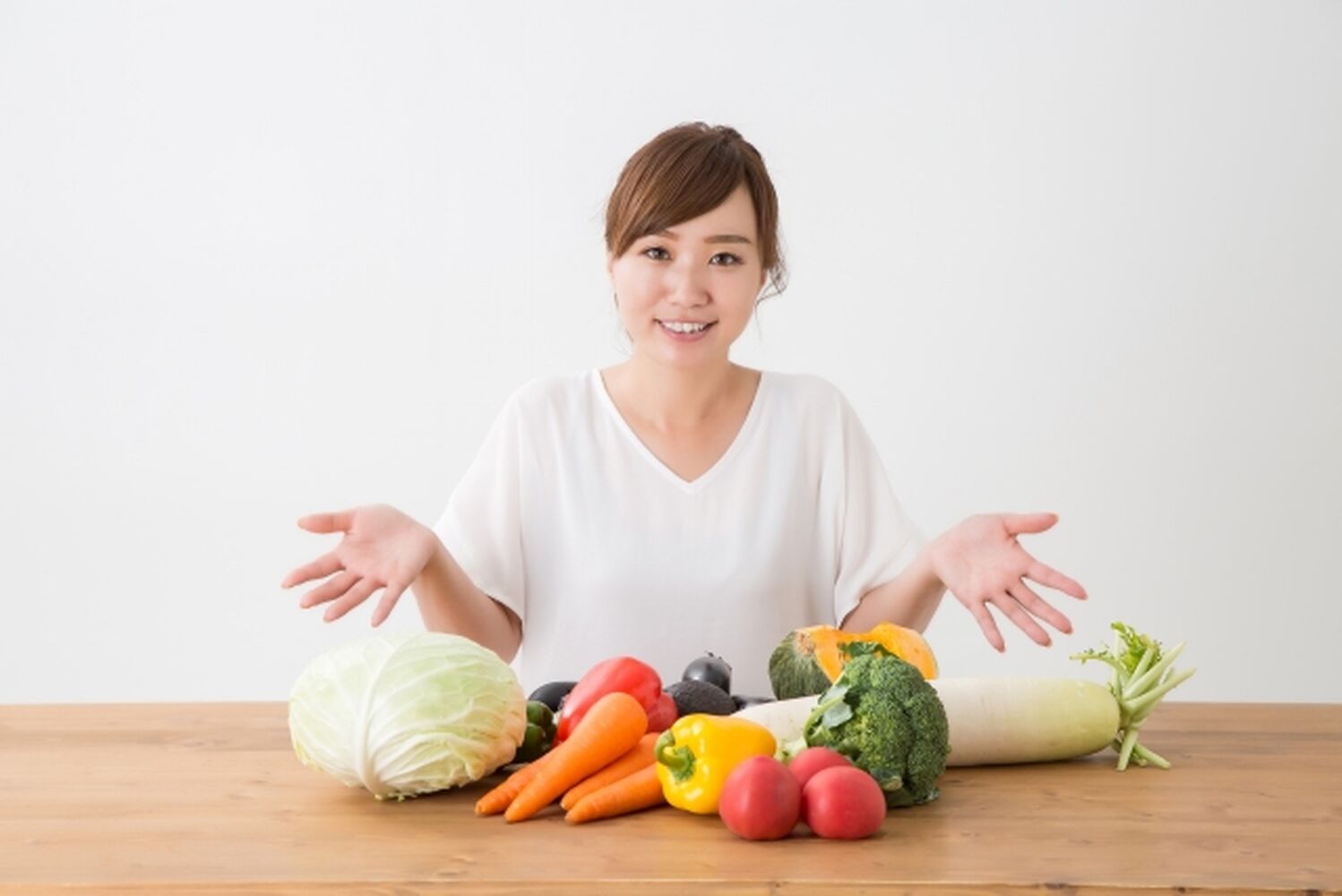
Iron, vitamins, and amino acids are essential for maintaining good health. We will explain in detail which foods contain a lot of these ingredients and the effective food combinations they contain. We will suggest the best way to use health foods for you who want to live a healthier life.
table of contents
-
The power of "iron" that supports beauty and health
-
The role of iron and the benefits of taking it
-
Healthy foods rich in iron
-
-
The power of vitamins for health management!
-
Types of vitamins and their effects
-
Vitamin-rich health foods
-
-
What are the "amino acids" that are responsible for converting into energy sources?
-
Types of amino acids and their effects
-
Health foods rich in amino acids
-
-
Efficient food combinations for health foods
-
Iron and Vitamin C Combination
-
Amino acid combinations
-
-
Food pairing precautions
-
Predatory power of vitamin A and vitamin D
-
Iron and calcium compatibility
-
-
Customer inquiries - Let's solve them together
-
When to take Vitamin C?
-
When should you take amino acids?
-
-
My favorite health foods
-
Grain and soy breakfast
-
Supplementing with Vitamin C
-
-
Summary: Support your health with efficient food combinations
-
Get a balanced intake of various nutrients
-
Stay healthy with effective food combinations
-
The power of "iron" that supports beauty and health
Iron is an essential nutrient for keeping the body healthy. We will now introduce the role of iron and health foods that are high in iron.
The role of iron and the benefits of taking it
Iron is an important nutrient that is essential for maintaining our health. It mainly forms hemoglobin in the blood and plays a role in transporting oxygen throughout the body. Proper transport of oxygen in the body is essential for smooth energy production and cellular metabolic activity. Therefore, a deficiency of iron can cause symptoms such as anemia, fatigue, and decreased concentration.
Iron also contributes to immune function. The body needs iron to fight bacteria and viruses, so without adequate intake, you may be more susceptible to infections and your recovery may be delayed. Iron also plays a role in maintaining healthy skin and hair, making it an important nutrient for beauty.
The first benefit of taking iron is improved energy levels. For those who lead physically demanding daily lives or who exercise a lot, getting enough iron helps reduce fatigue. In addition, iron deficiency tends to increase not only physical fatigue but also mental fatigue. By consciously taking iron, you can keep both your body and mind in good health.
In addition, iron intake is especially important for pregnant women. Pregnant women need more iron than normal to support fetal development. For this reason, pregnant and breastfeeding women are advised to consciously consume foods that contain iron.
To efficiently absorb iron, it is necessary to include a variety of foods in your diet, such as red meat, chicken, fish, beans, and spinach. Iron from animal foods is particularly well-absorbed. Consciously consuming these foods is extremely important in supporting our health. To maintain good health, we recommend that you adopt an iron-conscious diet.
Healthy foods rich in iron
Incorporating health foods rich in iron into your daily diet can help you supplement your iron intake efficiently. The first animal-based food that comes to mind is red meat. Beef and pork are rich in heme iron, which is highly absorbable, and are particularly suitable for people who tend to be iron deficient. Beef liver, in particular, is very rich in iron and is considered effective in preventing anemia.
Chicken is also rich in iron. Although the amount of iron contained in different parts of the chicken, such as chicken breast and thigh meat, varies slightly, chicken in general is generally healthy and highly nutritious, so it is recommended. Furthermore, among seafood, blue fish such as sardines and mackerel are rich in omega-3 fatty acids in addition to iron, which are nutrients that contribute to health.
Looking at plant-based foods, soy products are also important sources of iron. Natto, tofu, miso, and other foods are not only rich in iron, but also excellent plant-based protein. Actively incorporating these into your diet will help you maintain good health. In addition, green leafy vegetables such as spinach and komatsuna also contain iron. These vegetables are also rich in vitamins and minerals, making them essential for maintaining a balanced nutritional diet.
Additionally, dried seaweed can also be a good source of iron. Hijiki and wakame are especially recommended for those who want to be conscious of their iron intake. They can be easily added to salads, simmered dishes, and soups to increase the nutritional value.
By combining these foods, it is possible to easily obtain iron from your daily diet. However, iron from plant-based foods is called non-heme iron, and has a low absorption rate, so consuming it together with foods containing vitamin C can promote absorption. For example, adding orange or pepper to a spinach salad will greatly aid in iron absorption. This will allow you to have a diet that is conscious of iron on a daily basis, which will help you maintain your health.
The power of vitamins for health management!
Vitamins support the body from the inside out, boosting immunity, improving skin, etc. We will introduce foods rich in vitamins and their effects.
Types of vitamins and their effects
Vitamins are essential nutrients for maintaining bodily functions, and there are several types. Each vitamin has a different role, so it is important to consume them in a balanced way in order to maintain good health.
First of all, vitamin A supports the maintenance of vision and the health of the skin and mucous membranes. It especially helps vision in the dark, and is also expected to have the effect of boosting the immune system. Vitamin A is found in large amounts in liver, carrots, spinach, etc.
Next, the B vitamins are deeply involved in energy metabolism and contribute to fatigue recovery and nerve health. Vitamin B1 is particularly important as an energy source because it aids in carbohydrate metabolism. Vitamin B2 is essential for maintaining healthy skin and mucous membranes and is abundant in meat, eggs, and dairy products. Vitamin B6 and B12 are also involved in the health of the nervous system and blood, and B12 in particular is found in large amounts in animal foods, so a deficiency may be of concern.
Vitamin C has a strong antioxidant effect, preventing cell aging and improving immunity. It is found in large amounts in fruits and vegetables, especially citrus fruits. Vitamin C also helps with the absorption of iron, so it is recommended to take it together with foods rich in iron.
Vitamin D plays a role in supporting bone health and aids in calcium absorption. Normally, it is synthesized in the body through exposure to sunlight, so it is important to supplement with food during seasons when there is insufficient sunlight. Vitamin D is found in fish, eggs, and mushrooms.
Vitamin E protects cell membranes and skin, and has antioxidant properties, so it is also good for beauty. It is found in nuts and vegetable oils. Finally, vitamin K helps blood clot and is found in abundance in green leafy vegetables.
As you can see, there are many different types of vitamins, each with its own unique effects. By consciously consuming a variety of foods, you can replenish the vitamins your body needs in a balanced way, which will help you maintain your health. Eat foods rich in vitamins to live a healthier life.
Vitamin-rich health foods
Daily intake of vitamin-rich health foods is very important for maintaining good health. Here we will introduce recommended foods for each vitamin.
First, vitamin A is found in abundance in liver, fish scales, and egg yolks. Green and yellow vegetables, especially carrots, pumpkin, and spinach, are also good sources of vitamin A, and can be easily ingested by incorporating them into salads and simmered dishes.
Next, when it comes to B vitamins, grains, beans, and nuts are good sources of vitamin B. Brown rice and oatmeal are especially rich in vitamins B1 and B2, and are excellent sources of energy. They are also found in large amounts in meat and seafood, and pork is especially rich in vitamin B1. Dairy products and eggs are also useful for supplementing B vitamins.
Vitamin C is found in large amounts in fruits and vegetables, especially citrus fruits, kiwi, and strawberries. Vegetables such as broccoli and peppers are also attracting attention as excellent sources of vitamin C. You can easily ingest them by steaming them or eating them raw in salads.
Vitamin D is found in fatty fish, eggs, and mushrooms. Salmon and tuna are particularly rich in vitamin D, and incorporating them into your daily diet will help support your health. In addition, vitamin D is synthesized in the body through daily exposure to sunlight, so don't forget to get some sun exposure.
Nuts, vegetable oils and avocados are good sources of vitamin E. Almonds and hazelnuts are particularly good sources of vitamin E and are easy to add to snacks and salads. Greens, spinach and tomatoes are also good choices for vitamin E.
Finally, vitamin K is found in abundance in leafy green vegetables and natto. Spinach, kale, and broccoli in particular are excellent sources of vitamin K and are easy to incorporate into a variety of dishes.
As you can see, there are a wide variety of health foods rich in vitamins, and it is important to consume them in a balanced way while understanding the role and effects of each vitamin. By incorporating a variety of foods into your daily diet, you can expect to maintain your health.
What are the "amino acids" that are responsible for converting into energy sources?
Amino acids are another component that is attracting attention along with protein. They are generally obtained from meat and fish, but can also be obtained from a variety of other foods.
Types of amino acids and their effects
Amino acids are the basic components that make up proteins and play an important role in supporting various functions in the body. There are 20 types of amino acids, including non-essential amino acids that can be synthesized in the body and essential amino acids that must be obtained from food.
There are nine essential amino acids: histidine, isoleucine, leucine, lysine, methionine, phenylalanine, threonine, tryptophan, and valine. These are particularly essential for contributing to muscle repair and growth and supporting immune system function. For example, leucine promotes muscle synthesis, and tryptophan is involved in the synthesis of the neurotransmitter serotonin, which is known to affect mental health.
On the other hand, non-essential amino acids can be synthesized in the body and are produced as needed. For example, glutamine supports immune function and aids in recovery after exercise. Alanine is also used as an energy source and contributes to sugar metabolism in the body. Cysteine and tyrosine are also involved in the synthesis of antioxidants and the production of hormones.
Taking in amino acids is considered to be especially important for people who exercise and the elderly. Amino acids help repair and grow muscles, so taking protein-rich foods and supplements before and after training can help keep muscles in optimal condition. In addition, amino acids are used as a short-term energy source, so they are expected to contribute to improved performance during exercise.
Furthermore, amino acids are involved in the nervous system and hormone synthesis, and are becoming increasingly important because they help maintain physical and mental health. Getting enough amino acids from your diet is an essential element for living a healthy life. By consciously incorporating amino acids into your daily diet, you can maintain better health.
Health foods rich in amino acids
Health foods that are rich in amino acids are essential for supporting bodily functions. Here are some foods that are particularly rich in amino acids.
First of all, meat is an excellent source of amino acids. Beef, pork, and chicken in particular contain a balanced amount of essential amino acids. These foods help promote muscle repair and growth. Cooking methods also require some ingenuity, and meat can be cooked in a variety of ways, including baking, boiling, and steaming.
Next, fish is also an excellent source of amino acids. Blue fish such as mackerel, sardines, and salmon are particularly rich in amino acids as well as omega-3 fatty acids. Incorporating these fish into your diet not only supports your physical and mental health, but also makes for a flavorful dish.
Some plant-based foods are also rich in amino acids. Well-known soy products include tofu, natto, and miso. These foods provide plant-based protein, and when combined with meat, they help to balance amino acids. Natto in particular has attracted attention for its rich nutritional content.
Eggs are also known to be a food rich in amino acids. Eggs are considered a complete nutritional food, containing almost all of the essential amino acids. They can be easily consumed for breakfast, in a lunch box, or as a salad topping, so they are a food that you should actively incorporate into your diet.
Nuts and seeds are also good sources of amino acids. Almonds, walnuts and sunflower seeds are packed with amino acids as well as fats and vitamins, making them a great addition to snacks and salads for a nutritional boost.
As you can see, there are many health foods that are rich in amino acids, and many that are easy to incorporate into your daily life. It is important to take in the necessary amino acids efficiently by eating a balanced diet and maintain a healthy lifestyle. Understanding the characteristics of each food and consuming them in combination will lead to further improvements in your health.
Efficient food combinations for health foods
It is possible to maximize the effects of health foods by combining them with other foods. Here we will introduce some effective food combinations.
Iron and Vitamin C Combination
Combining iron with vitamin C is extremely effective for efficient absorption. Iron is a nutrient that plays an important role in the body, but it tends to be difficult to absorb, especially plant-derived iron called non-heme iron. However, it has been found that the presence of vitamin C increases the absorption rate of iron.
Vitamin C has an antioxidant effect and plays a role in improving the state of iron in the body. Specifically, when vitamin C binds with iron, the shape of the iron changes, making it easier for it to be absorbed in the intestines. By being aware of this combination, you can take in iron efficiently.
In actual meals, it is effective to combine iron-rich foods such as spinach with citrus fruits that are high in vitamin C. For example, adding orange slices to a spinach salad allows you to simultaneously consume iron and vitamin C. In addition, when making stews, you can naturally achieve this combination by adding paprika and tomatoes along with iron-rich ingredients such as pork and beef.
The combination of iron and vitamin C is especially important for women and pregnant women. Women are prone to iron deficiency, and it is especially important to take iron during the menstrual cycle and pregnancy. By taking in vitamin C, iron absorption is improved, making it easier to feel its effects.
In addition, actively incorporating fruits and vegetables into your diet will also replenish other nutrients and support a healthy diet. By finding ways to naturally get iron and vitamin C through your diet, you can expect to further improve your physical health. If you are worried about iron deficiency, be sure to pay attention to these food combinations.
Amino acid combinations
In order to maximize the effects of amino acids, it is very important to combine foods together. Especially when consuming plant-based foods, combining foods together can balance the amino acids in each food and allow you to efficiently ingest the nutrients your body needs.
One concrete example is the combination of soy products and grains. Soybeans are rich in plant protein, but they can lack some essential amino acids. Therefore, by consuming them together with grains such as brown rice or white rice, it is possible for them to complement each other's lacking amino acids. This combination can be enjoyed as a tofu bowl or natto rice, and it also provides a well-balanced diet.
It is also recommended to combine legumes such as lentils and chickpeas with grains. For example, a lentil soup with bread or rice can improve the quality of amino acids. This will increase the total amount of amino acids obtained from the diet, which will contribute to muscle synthesis and improved immune function.
Additionally, nuts and seeds also contribute to the perfect plant-based amino acid mix. By adding a few nuts or seeds to your first meal, you can improve the quality of your amino acids while also providing vitamins and minerals, which can help stabilize blood sugar, make meals more satisfying, and support overall health.
In this way, the effects of amino acids can be enhanced by combining them with other foods. Being mindful of food combinations will help you consume higher quality nutrients and maintain your health. By incorporating foods rich in amino acids into your daily diet, you can aim to build a healthy body.
Food pairing precautions
While food combinations are important, there are some nutrients that are incompatible with each other. Here we will explain the points to be careful about when combining foods.
Predatory power of vitamin A and vitamin D
Vitamin A and Vitamin D are both fat-soluble vitamins that play important roles in the body, but care should be taken when taking them together. In particular, the absorption abilities of these vitamins interact, and taking them together may reduce their effectiveness.
Vitamin A is primarily involved in supporting vision, skin health, and immune function, while vitamin D plays an important role in bone health and calcium absorption. Both of these vitamins are fat-soluble, meaning fat is involved in their absorption in the body, but taking large amounts at the same time can have several effects.
In particular, it has been pointed out that taking large amounts of vitamin A and vitamin D at once can interfere with each other's absorption abilities, weakening the effects of each. For this reason, care should be taken when taking large amounts of foods that are high in vitamin A and foods that mainly contain vitamin D at the same time.
For example, consciously taking in vitamin A, which is found in abundance in liver and green and yellow vegetables, and vitamin D, which is found in abundance in fish, mushrooms, and eggs, is good for your health, but it's best to avoid taking large amounts of them at the same time. It is believed that taking them at balanced intervals can maximize the absorption of each vitamin.
As you can see, Vitamin A and Vitamin D are essential nutrients for maintaining good health, but you need to be careful about the food you eat with them. Pay attention to the timing of your vitamin intake and the food combinations you use in your daily diet to aim for a healthier life.
Iron and calcium compatibility
Both iron and calcium are essential minerals for our health, but care must be taken when ingesting them together. These two nutrients compete for absorption in the body, so ingesting large amounts of each at the same time can inhibit the absorption of the other.
Iron is mainly responsible for producing hemoglobin in the blood and carrying oxygen throughout the body. Meanwhile, calcium is important for maintaining healthy bones and teeth. However, these minerals can affect each other during the absorption process in the intestines, and can hinder the absorption of iron in particular.
For example, consuming foods high in iron and foods high in calcium at the same time can hinder the absorption of iron. For this reason, it is recommended that you consume foods containing calcium at a different time when you need to take in iron.
Specifically, if you eat calcium sources such as yogurt or milk for breakfast, it is a good idea to eat foods that are high in iron at lunch or dinner. Also, if you use supplements, be careful not to take iron and calcium at the same time.
As such, iron and calcium are essential nutrients for health, but in order to maximize their absorption, it is important to have the right meal timing and combination. To maintain good health, it is important to review how you take in iron and calcium in your daily meals and to maintain a balanced diet.
Customer inquiries - Let's solve them together
Here we will introduce actual inquiries about ingredients and food combinations that have been received from customers and provide answers to those inquiries.
When to take Vitamin C?
The timing of taking Vitamin C is important to maximize its benefits. Vitamin C is a water-soluble vitamin and is not stored in the body, so it must be consumed regularly in the daily diet.
To effectively ingest vitamin C, it is recommended to take it in small doses at different times during meals. In particular, if you take a large amount at once during a large meal, your body will only absorb what it needs, and the excess will be excreted in urine. Therefore, it is ideal to take small amounts at breakfast, lunch, snacks, dinner, etc.
For example, adding citrus fruits to your morning meal, peppers or tomatoes to your lunch salad, and broccoli or cauliflower for dinner will help you get more vitamin C. Also, for those who exercise, taking vitamin C after exercise is said to help recover from fatigue and boost your immune system.
In addition, eating oranges with foods rich in iron can also help promote iron absorption. For example, adding oranges to a spinach salad can increase iron absorption. In this way, it is important to be creative with the content of your meals.
In short, the effects of vitamin C are maximized when taken continuously in the daily diet. Pay attention to the timing and content of your meals and use them to help maintain your health.
When should you take amino acids?
The best time to take amino acids is after exercise or when your muscles need repair. After exercise, your muscles are micro-damaged and you need amino acids to help repair and grow your muscles. For this reason, it is recommended that you take foods and proteins that contain amino acids within 30 minutes to an hour after training.
Before going to bed is also a good time to take amino acids. In particular, amino acids such as glutamine, valine, and leucine support muscle recovery and regeneration while you sleep. By taking protein before going to bed, you can expect to supply the necessary amino acids while you sleep, promoting more effective recovery.
In addition, it is important for growing children and pregnant and lactating women to actively take in amino acids. In particular, because amino acids are involved in the synthesis of hormones and immune substances, taking in enough amino acids during these periods will help you maintain your health.
In everyday life, it is important to take in amino acids in a balanced manner through your diet, but by being particularly mindful of the timing of taking them, such as after exercise or before sleep, you can maximize the effects of amino acids and help maintain your health and improve your performance.
My favorite health foods
Here I would like to introduce the health foods I use on a daily basis and why I choose them.
Grain and soy breakfast
Grains and soy are a staple in my breakfast routine. Whole grains like brown rice and oatmeal are especially nutritious and rich in fiber, which aids digestion and keeps you full for longer.
For example, I love making brown rice onigiri and serving it with natto. Natto is made from fermented soybeans and is rich in protein, vitamins, and minerals. It also has the effect of improving your intestinal flora, making it a healthy breakfast.
Another idea is to boil oatmeal in milk or soy milk and top it with fruit and nuts. Oatmeal is high in dietary fiber and helps stabilize blood sugar levels. Adding fruit will also provide vitamins and minerals, and nuts will provide healthy fats and protein.
As you can see, breakfasts using grains and soybeans are well-balanced in terms of nutrition and are an excellent source of energy. I have actually felt that eating such a breakfast gives me energy for the day and improves my concentration. I feel that it is important to put effort into my daily diet and enjoy a healthy breakfast.
Supplementing with Vitamin C
I personally use supplements to get Vitamin C. Vitamin C is not only excellent for strengthening the immune system and acting as an antioxidant, but it also contributes to maintaining healthy skin. I feel it is especially important to consciously take it when you are tired or under a lot of stress.
Although I get vitamin C from my regular diet, supplements are convenient when I need it most. With supplements, I can easily adjust the amount I need, and I can easily incorporate it into my busy daily life. Also, since vitamin C is water-soluble, it does not remain in the body and excess is excreted, so I realize the importance of continuing to take it every day.
I usually take supplements after meals or between snacks. I feel that this method allows for smoother absorption and greater effectiveness. Of course, supplements are only a supplement, and it is important to eat a balanced diet and consume a variety of foods. I try to live a healthy lifestyle while making good use of vitamin C supplements.
Summary: Support your health with efficient food combinations
So far, we have explained in detail how to consume health foods that are rich in iron, vitamins, and amino acids, and what food combinations they should have.
Get a balanced intake of various nutrients
In order to live a healthy life, it is important to consume a variety of nutrients in a balanced way. Our bodies are made up of many nutrients, such as iron, vitamins, and amino acids, each of which has its own unique role. A diet that is unbalanced in only one nutrient can cause illness.
It is important to consciously incorporate a variety of foods into your daily diet. It is recommended to base your diet on grains, with vegetables, fruits, and protein-containing foods distributed among them. In particular, incorporating colorful vegetables and fruits will allow you to efficiently absorb vitamins and minerals.
Also, don't forget to drink an adequate amount of water, as this will help with the absorption of nutrients. By being aware of the balance of these nutrients, you can build a healthier body. It is important to review your daily eating habits and enjoy rich, nutritious meals.
Stay healthy with effective food combinations
Combining foods effectively can help you stay healthy. For example, combining foods that contain iron with foods that contain vitamin C can help improve iron absorption. Adding orange to a spinach salad will boost the benefits of the iron.
In addition, by combining soy products with grains, you can consume a balanced amount of plant-based amino acids. For example, dishes using natto rice and tofu are excellent for supplementing complementary amino acids. By being creative with food combinations like this, you can make the most of the nutrients you get from your daily meals and support the health of your entire body. By being conscious of food combinations, you can enjoy a more fulfilling diet.
NEW
Why should you buy health foods online? A thorough explanation of the reasons and benefits.
query_builder 2026/07/13[Must-see!!] The hidden power of black garlic! A thorough explanation of S1PC's anti-aging effects.
query_builder 2026/06/18Black GarlicBlack GarlicBeautyBeautySurprising uses for sea buckthorn in the remote region of Mongolia! Discover its appeal as a health food
query_builder 2025/12/08Sea BuckthornSea BuckthorndietdietBeautyBeautyA health ally! A thorough comparison of the nutritional components of sea buckthorn juice!
query_builder 2025/10/27Sea BuckthornSea Buckthorn