A thorough analysis of the appeal of honey! The diversity of honey as seen through differences in pigments
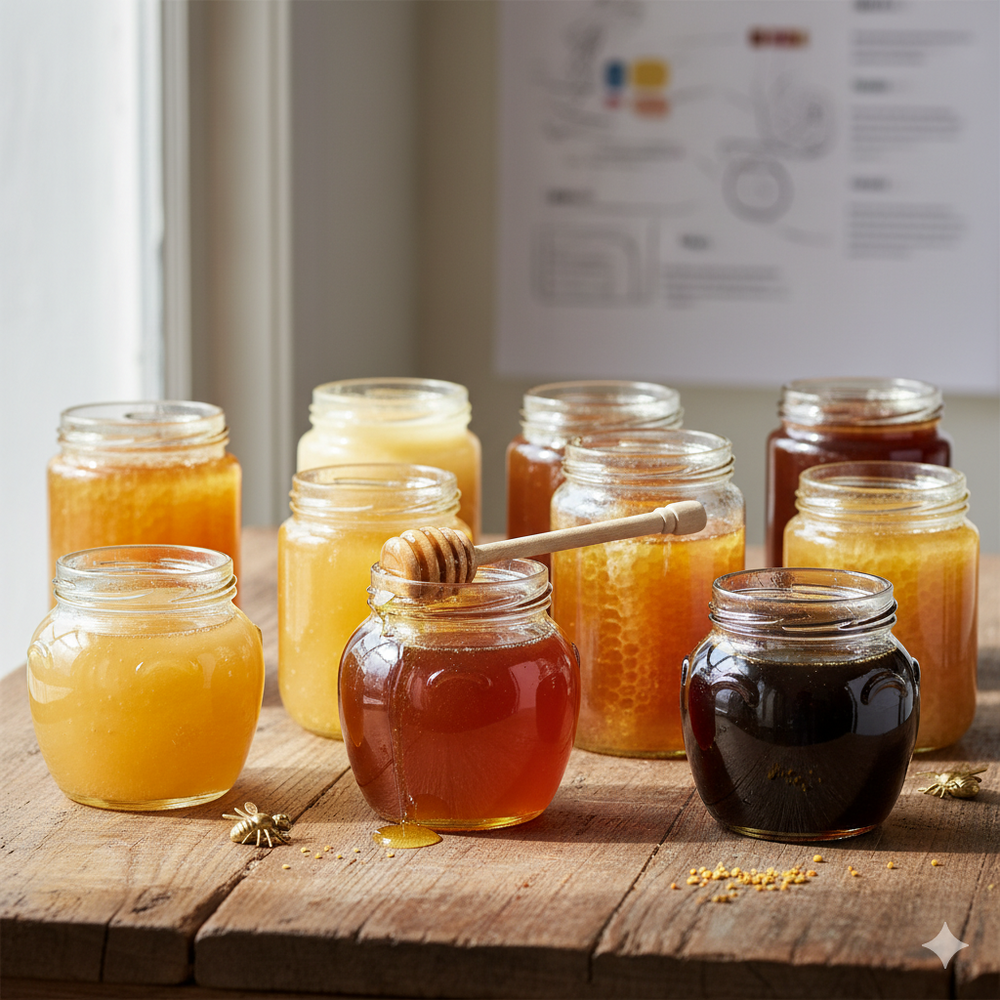
We'll take a closer look at the amazing diversity of honey, starting with its different colors. Honey is known as a familiar health food, but its nutritional value and benefits vary depending on its color and type. In this article, we'll delve into the differences in honey's coloring and explain how you can incorporate it into your daily diet. We'll also share expert opinions and customer experiences, explaining how to distinguish between genuine and fake honey, why honey changes color, and how to choose the right type. We hope this article will help you live a healthier lifestyle. #naturalfoods #organic #superfood #honey #healthylifestyle
table of contents
-
Diversity brought about by honey pigments
-
What is the color of honey?
-
The effects of honey vary depending on its color
-
-
Types of honey and their characteristics
-
The appeal of acacia honey
-
Properties of Clover Honey
-
-
Choosing honey based on color and viscosity
-
Honey viscosity and uses
-
Why are the colors different?
-
-
Customer testimonials: Helpful experiences in choosing honey
-
Types of honey chosen for health purposes
-
The relationship between color and changes in physical condition
-
-
Experts teach you how to identify pure honey
-
How to check purity from labeling
-
Simple home identification
-
-
Does honey spoil? Pay attention to storage methods
-
What is the appropriate storage environment?
-
Don't miss the signs of corruption
-
-
The difference between transparency and opacity in honey
-
Properties of clear honey
-
What's lurking in the opaque honey?
-
-
How to Choose Healthy Honey
-
Recommended honey for different purposes
-
Points to check before purchasing
-
Diversity brought about by honey pigments
Honey is loved by many for its unique sweetness, but did you know that its color and flavor vary greatly depending on the type? Here, we will explain in detail how the color pigments in honey create this diversity.
What is the color of honey?
Honey is loved by many people for its unique flavor and sweetness, but it also comes in a wide variety of colors. The color of honey varies mainly depending on the nectar source plant, the environment of the honey-harvesting area, and even the season. Let's take a closer look at how these factors affect honey color.
First of all, the color of honey varies depending on the type of flower that the bees collect nectar from. For example, honey collected from acacia flowers often appears pale yellow or almost colorless, while honey collected from clover or sunflowers appears a deep golden color. In this way, the components of the nectar vary depending on the source, and this is reflected in the color.
Next, the climate and soil characteristics of the honey-harvesting region are also important factors. Even nectar collected from the same type of flower can have different flavors and colors depending on the region. For example, the same type of flower grown in a cold region and a warm region will contain slightly different chemical components depending on the growing environment, which will affect the final color of the honey.
Additionally, the harvesting season cannot be ignored. In spring and summer, when nectar-producing plants are particularly abundant and the yield is higher, the color is observed to be more vibrant. On the other hand, later harvest times can result in the nectar maturing and becoming darker in color. The combination of these factors causes the color of honey to constantly change.
The color of honey is not only related to its beauty, but also to its health value. The depth of color can indicate the richness of nutrients, so it is important for consumers to pay attention to the color when purchasing honey. Different colors can affect the antioxidant and vitamin content, so this can be a useful guide when making your selection.
As you can see, the color of honey is not simply a difference in appearance, but is the result of a variety of intertwining factors. When enjoying honey, it is important to pay attention to its color and choose one that suits your preferences and health goals.
The effects of honey vary depending on its color
There is a close relationship between the color of honey and its efficacy. Research has shown that different colors indicate different levels of nutrients and antioxidant activity. So, this time we will take a closer look at the differences in the efficacy of honey depending on its color.
First of all, honey that is generally light in color tends to contain a lot of antioxidants such as flavonoids and polyphenols. For example, acacia honey is light in color and not only has a light sweetness, but is also expected to have high antioxidant properties. For this reason, acacia honey is said to help prevent chronic diseases and boost immunity. In fact, many customers have reported that consuming a little acacia honey every day has helped them to avoid catching colds and the flu.
On the other hand, dark-colored honey, such as honey extracted from clover or adzuki beans, often contains a wealth of minerals and vitamins. These honeys are effective when you want to replenish your energy or recover from fatigue. They are particularly popular as a post-exercise nutritional supplement. People who need physical strength have also reported that dark-colored honey gives them energy.
The antibacterial properties of honey also vary depending on its color. In general, darker honey contains more of the antibacterial component methylglyoxal, which is said to be useful for wound healing and preventing infections. Therefore, if you are suffering from the onset of a cold or sore throat, choosing darker honey may be one solution.
Regarding specific benefits, for example, dark-colored honey is said to be useful in relieving constipation. This is because it is rich in dietary fiber and B vitamins. As you can see, different colors have different effects, so it is important to use them according to your purpose.
When choosing honey, paying attention to the effects that its color implies may help you make a choice that is more suited to your health condition. Understanding the differences in color and their effects and incorporating them into your daily life will help you maintain your health.
Types of honey and their characteristics
There are many different types of honey, and knowing the characteristics of honey extracted from acacia and clover will help you choose the one that's right for you.
The appeal of acacia honey
Acacia honey is a popular honey loved by many people. Its appeal is not only due to its gentle sweetness and unique flavor, but also to its many health benefits. Here we will introduce in detail the characteristics of acacia honey and recommended ways to use it.
First of all, the biggest features of acacia honey are its pale color and clear, refreshing taste. It is generally pale yellow or colorless and transparent, with a very clear appearance. This color comes from the fact that the components of the acacia flowers are reflected as they are when the nectar is extracted from them. Furthermore, you can faintly smell the fragrance of the acacia flowers, and the natural sweetness spreads in your mouth.
Acacia honey is rich in flavonoids and antioxidants, which contribute to good health. In particular, its antioxidant properties are expected to suppress free radicals in the body and prevent aging. It is also effective in preventing colds and influenza, and more and more people are using it, especially in the winter. This is one of the reasons why acacia honey is so highly valued as an ingredient that boosts immunity.
This honey is also extremely versatile. When using it in cooking, it's easy to add to dressings and marinades, and is especially great with salads and fruit. Its sweetness enhances the flavor of the ingredients. It's also often enjoyed as a topping on tea or yogurt, making it an essential ingredient for those seeking a healthy sweet treat.
Furthermore, acacia honey is less likely to crystallize than other honeys. This means it can maintain its deliciousness for a long period of time, making it ideal for keeping on hand. Many people also choose it as a health food that can be easily consumed at home.
Acacia honey is not only beautiful and healthy, but can also be used in a variety of dishes and drinks, making it useful in everyday life. It is the perfect choice for those who want to enjoy sweetness and flavor while living a healthy lifestyle. Please try incorporating acacia honey into your daily life while finding your own way to enjoy it.
Properties of Clover Honey
Clover honey is one of the most popular honeys, known for its sweetness and rich flavor. This honey is mainly collected from clover flowers, and its color, taste, and even health benefits are unique. In this article, we will introduce the properties of clover honey and recommended ways to use it.
First of all, clover honey is characterized by its deep golden color. Not only is it beautiful in color, but it also has a deep flavor, with a rich sweetness that spreads throughout your mouth. This rich flavor is influenced by the diverse compounds found in clover flowers. Many people say that after just one sip, they are drawn in by the sweetness and end up wanting more.
Clover honey is rich in vitamins and minerals, especially calcium and magnesium. These ingredients are important for maintaining bone health, and incorporating them into your daily diet will help support your nutritional balance. Furthermore, its strong antibacterial properties make it useful for preventing colds and maintaining good health. Because of these health benefits, clover honey is popular with a wide range of age groups, from children to the elderly.
You can eat it as is with a spoon, or spread it on bread or toast. Its rich sweetness makes for a truly luxurious breakfast. It also pairs exceptionally well with drinks, especially hot milk and herbal tea. The added sweetness enhances the flavor of the drink, providing a pleasant and relaxing experience.
Clover honey is also versatile for cooking. When added to salad dressings or marinades, its sweet and salty flavor enhances the dish. Its surprisingly well-balanced flavor will enrich many home-cooked meals.
As you can see, clover honey's flavor, nutritional value, and versatility in uses support a healthy and delicious lifestyle. Because it can be enjoyed in a variety of situations, we encourage you to incorporate this honey into your daily life and experience its charms.
Choosing honey based on color and viscosity
By selecting honey based on factors such as color and viscosity, you can choose the honey that's best for you. Here are some points to keep in mind when purchasing honey.
Honey viscosity and uses
The viscosity of honey is a very important factor when choosing its use. The viscosity of honey varies depending on the type and manufacturing process, but let's take a look at how this characteristic affects cooking and food.
First of all, the viscosity of honey is generally related to its water content. The more water there is, the lower the viscosity, and conversely, the lower the water content, the higher the viscosity. For this reason, it is important to choose honey with the appropriate viscosity depending on the type of dish and purpose.
For example, low-viscosity honey is suitable for use in cooking or dressings. Low-viscosity honey is liquid and flows easily, so it can be mixed smoothly into salad or marinade dressings. When poured over fruit salads in particular, it coats the entire dish evenly, giving it a refreshing taste.
On the other hand, when it comes to making desserts and sweets, honey with a high viscosity is often preferred. High viscosity honey adheres well to the dough of baked goods, helping to make them moist. It is also ideal for toppings and decorations, and when poured over cream or ice cream, it enhances the appearance.
Furthermore, viscosity also affects shelf life. High viscosity honey has the advantage of preventing bacterial growth when stored for long periods of time, making it easier to maintain its quality. For this reason, choosing high viscosity honey is popular among honey lovers when keeping it at home.
Understanding the different uses for honey depending on its viscosity will help you use it more effectively. Choosing the best honey for your dishes and desserts will help you maximize the flavor and texture. Also, knowing your preferred viscosity will help you make choices that suit your own cooking style. Why not take advantage of the properties of honey and incorporate it comprehensively into your daily diet?
Why are the colors different?
The difference in the color of honey is an important factor that affects not only its appearance but also its taste, nutritional value, and uses. So, what is the reason for the different colors of honey?
First of all, the biggest factor in the color of honey is the type of plant that provides the nectar. Depending on the flower that provides the nectar, the color of honey can vary widely, from light to dark. For example, honey extracted from acacia is pale in color, while honey extracted from flowers like sunflowers and clover has a deeper golden color. This is because the components extracted from each flower are different, with the pigments having a particularly large influence.
Next, the environment of the honey-harvesting region also affects the color. The composition of the nectar changes depending on the soil, climate, and even the season in which it is harvested. Even if the same type of flower grows in different regions, environmental factors can cause the plant itself to grow differently and its pigments to appear differently, ultimately resulting in different honey colors. This means that even honey harvested from the same flower will have the characteristics of each region in its color.
The processing of honey also affects its color. Heat treatment or the addition of sugars can change the color. For example, heat treatment can cause the sugars to caramelize, darkening the color. For this reason, it's important to take into account how honey was produced when choosing honey.
As you can see, there are many reasons why honey comes in different colors. Color is the result of a combination of many factors, and is an important indicator when choosing honey. Understanding the differences in color will help you find the honey that suits your taste and is beneficial to your health. We encourage you to enjoy honey of various colors and discover their appeal.
Customer testimonials: Helpful experiences in choosing honey
We've collected testimonials from people who have adopted honey as a health food, so you can learn from their experiences and make better choices.
Types of honey chosen for health purposes
When choosing honey for health purposes, it is important to identify the type that is best for you, as different types have different properties and effects. Here we will introduce the most common types of honey that are chosen for the purposes of maintaining health and improving symptoms.
First of all, acacia honey is chosen by many people because it is expected to have immune-boosting effects. Rich in antioxidants, it is said to be useful in preventing colds and flu. In addition, its soft sweetness makes it easy to use in drinks and cooking, making it perfect for incorporating into your daily routine.
On the other hand, clover honey is rich in vitamins and minerals, and is said to be particularly useful for maintaining bone health. It also has strong antibacterial properties, so many people use it to soothe sore throats and when the onset of a cold is approaching. Its unique, deep sweetness makes it a great match for baking and yogurt, making it a joy to eat.
Manuka honey is also a type of honey that is attracting attention for its health benefits. This honey, extracted from Manuka flowers native to New Zealand, is known for its particularly strong antibacterial properties. It is said to not only help prevent colds, but also have a positive effect on stomach health. It is often used for medical purposes, and many people have high hopes for its effectiveness.
Finally, orange blossom honey is also known for its stress-reducing and relaxing effects. Its rich aroma and pleasant sweetness make it a great addition to tea or desserts for a more relaxing experience.
As you can see, there are many different types of honey to choose from for health purposes. Choosing honey that meets your health needs and incorporating it into your daily life will help support a healthy lifestyle. Find the honey that's right for you and experience its benefits for yourself.
The relationship between color and changes in physical condition
The color of honey is closely related to its nutritional value and efficacy, but there are also some interesting points about how it actually affects your physical condition. Let's take a look at the relationship between color and changes in physical condition.
First of all, light-colored honey is generally rich in flavonoids and antioxidants, and is therefore believed to help relieve fatigue and boost immunity. For example, acacia honey, with its pale color, is expected to reduce stress and bring mental stability. Many people have reported feeling that consuming a small amount of acacia honey every day has helped stabilize their physical condition.
On the other hand, darker honeys, especially clover and sunflower honey, are rich in minerals and vitamins and are thought to help improve physical strength. For this reason, they are often used as a post-exercise energy supplement. In particular, athletes often find that consuming clover honey in moderation helps their body recover more smoothly.
Additionally, dark-colored honey often has strong antibacterial properties and is said to be effective in relieving colds and sore throats. In fact, there are many testimonials of people who have experienced an improvement in their health by consuming dark-colored honey when they have symptoms. For example, some people have reported that using Manuka honey when they have a sore throat provided immediate relief.
As you can see, the color of honey has hidden health benefits that correspond to its characteristics. Choosing the right color of honey to suit your physical condition and goals may help you maintain your health. By incorporating honey into your daily diet while taking into consideration the differences in color, you can live a healthier lifestyle.
Experts teach you how to identify pure honey
There are many types of honey on the market, but let's hear from an expert on how to identify pure honey.
How to check purity from labeling
When choosing honey, it is very important to check its purity. Choosing high-quality honey will maximize its health benefits. To do this, it is important to carefully check the label.
First, make sure to choose a product that is labeled "pure honey." "Pure honey" refers to natural honey that has no additives or added sugars. Conversely, be wary of products labeled "pure honey," as they may contain sweeteners or other ingredients. To confirm purity, it is essential to carefully read the ingredient list.
Next, check the origin and source of the honey. Honey harvested from specific flowers or produced in a specific region is expected to be of higher quality. Origin information written on the label is one factor that increases the reliability of the product.
Additionally, the trustworthiness of the honey manufacturer and brand is important. Reputable brands value transparency and provide supporting information for their products. If possible, choose a company that tests for pesticides and additives, or a product that is certified organic.
Finally, pay attention to the color and scent. Natural honey has a uniform, clear color and a floral scent. On the other hand, cloudy honey or an unpleasant odor can be a sign of doubt about its purity.
As you can see, carefully checking the labeling will help you choose pure honey. For health-conscious people, choosing safe, high-quality honey is an important point in daily life. Finding good honey will help you lead a healthy diet.
Simple home identification
There are several easy ways to determine the purity of honey at home. You can easily identify genuine honey without any special equipment or knowledge.
The first method is the water test. Prepare a glass of cold water and add a spoonful of honey to it. Then, observe how the honey dissolves. Genuine honey will not dissolve easily in water and will leave a clump at the bottom. On the other hand, honey that may have been adulterated will often dissolve quickly. This simple test is enough to determine the purity to a certain extent.
The second method is the fingertip test. Take a small amount of honey and separate it onto your finger. Real honey will have a smooth consistency and flow, but honey that has been mixed with sugar may have a gritty texture. Pay attention to this as well.
You can also tell the difference by its smell and taste. Pure honey has a strong floral scent and a natural sweetness. On the other hand, if it has an artificial sweetness or a fragrance, you may be wondering about its purity.
By using these simple methods, you can easily identify genuine honey at home. To protect your own health, please pay attention to these points when choosing high-quality honey. Choosing the right honey will lead to a better diet.
Does honey spoil? Pay attention to storage methods
Honey is known as a food that can be stored for a long time, but if you do not store it properly, its lifespan will be shortened. Here we will cover the key points of storage.
What is the appropriate storage environment?
To keep honey fresh for a long time, it needs to be stored in the right environment. The first thing that is important is temperature. It is best to store honey at room temperature, avoiding direct sunlight and high temperatures. In particular, temperatures above 30°C can cause deterioration, leading to a loss of flavor and nutrients. For this reason, storing it in the refrigerator is generally not recommended.
Next, you need to be careful about humidity. In a high humidity environment, moisture can easily penetrate honey, causing it to crystallize and ferment. The best place to store it is in a low humidity, well-ventilated place. Storing it in a closed container is also effective in protecting it from moisture.
Additionally, we recommend storing honey in airtight glass or plastic containers. Metal containers may react with the honey's ingredients, so care should be taken. Keeping the container tightly sealed will protect it from moisture and bacteria in the air, helping to maintain its quality for a long period of time.
As you can see, it's important to pay attention to temperature, humidity, and containers in order to store honey properly. By practicing the correct storage method, you can enjoy the flavor and nutritional value of honey for a long time. Take good care of your delicious honey and make it a part of your daily diet.
Don't miss the signs of corruption
Honey has a long shelf life, but if not handled properly, it can show signs of spoilage. There are a few signs to look out for to determine if your honey has gone bad.
First, if you notice any changes in the color or clarity of your honey, you should be aware of them. If the honey becomes cloudy or takes on an unusual color, it may be a sign of a decline in quality. In particular, if the honey turns brown or black, it is likely to have gone bad.
Next, pay attention to the scent. Fresh honey has a rich floral scent, but if it has gone bad, it may develop an unpleasant odor. If it smells fishy or rotten, you should avoid using it.
Also, be careful if you see bubbles or sediment in the honey. Fermentation may be progressing, and consuming honey in this state may affect your health. In particular, if there are bubbles on the inside of the container, we recommend disposing of the honey immediately.
By not missing these signs, you can make the right decisions before your honey goes bad. To ensure you can enjoy your carefully stored honey for as long as possible, it's important to check its condition regularly. Be sure to stay vigilant to protect your own and your family's health.
The difference between transparency and opacity in honey
Honey can be clear or cloudy, but each has its own unique characteristics. Learn the differences and how to choose the right one for you.
Properties of clear honey
Clear honey is loved by many people for its unique beauty and refreshing taste. This type of honey is generally light in color and allows light to pass through, giving it a refreshing impression. Transparency is also considered an indicator of purity, and indicates that the honey is clean and fresh.
Clear honey is often collected from acacia and cherry blossoms. These nectar sources have a fruity aroma and a light sweetness, and when added to dishes and drinks, it enhances the flavor of the ingredients. For this reason, it is said to be an excellent match for dressings, desserts, and fruits.
Furthermore, clear honey is rich in nutrients, containing antioxidants, vitamins, and minerals. This is expected to contribute to maintaining daily health. In particular, it is useful for preventing colds and improving immunity, making it a food that is easy to incorporate into your daily life. Why not take advantage of the properties of clear honey and enjoy a healthy and delicious diet?
What's lurking in the opaque honey?
The appearance of opaque honey may make some people concerned about the purity and processing of the honey, but in reality, opaque honey is rich in nutrients and contains ingredients unique to that region.
Opaque honey is generally dark in color and is rich in flavonoids, polyphenols, minerals, etc. These components have antioxidant properties and are expected to support the body's health. Clover and manuka honey in particular are known for their strong antibacterial properties.
The opacity of honey also indicates that it contains dense components, pollen, enzymes, etc. This allows you to enjoy its unique rich flavor and aroma, adding depth to dishes and drinks.
As you can see, opaque honey hides secrets of beneficial ingredients and flavors that are beneficial to health. When choosing honey, it's important to not only look at it, but also understand and enjoy its properties.
How to Choose Healthy Honey
With a wide range of honey options available, we've compiled some tips to help you choose the best one for you. Use this information to help you achieve a healthy diet.
Recommended honey for different purposes
There are many types of honey, each with its own unique characteristics for different health purposes. First, if you want to boost your immune system, acacia honey is recommended. Its light sweetness and high antioxidant content help prevent colds.
Clover honey is a good choice for those looking to recover from fatigue. It is rich in vitamins and minerals and is especially good for replenishing energy after exercise.
And if you're looking for strong antibacterial properties, Manuka honey is the best choice, as it's effective in treating sore throats and indigestion.
As you can see, choosing honey according to your purpose can help you maintain your daily health. Find the honey that suits you best and try incorporating it into your daily life.
Points to check before purchasing
When purchasing honey, it is important to check a few points. First, check the label. By choosing honey that says "pure honey," you can be sure that it does not contain any additives.
Next, it is important to check the nectar source and production area. Products that are harvested from specific flowers or that are certified organic are particularly reliable.
Also, pay attention to the condition of your jars and containers: check for damage and leaks, and make sure they are sealed.
Finally, pay attention to the scent and color. Good quality honey has a natural scent and a consistent color. Keep these points in mind when choosing honey that you can buy with confidence.
NEW
Why should you buy health foods online? A thorough explanation of the reasons and benefits.
query_builder 2026/07/13[Must-see!!] The hidden power of black garlic! A thorough explanation of S1PC's anti-aging effects.
query_builder 2026/06/18Black GarlicBlack GarlicBeautyBeautySurprising uses for sea buckthorn in the remote region of Mongolia! Discover its appeal as a health food
query_builder 2025/12/08Sea BuckthornSea BuckthorndietdietBeautyBeautyA health ally! A thorough comparison of the nutritional components of sea buckthorn juice!
query_builder 2025/10/27Sea BuckthornSea Buckthorn