Healthy foods and protein: a familiar source of energy
This article, your perfect companion to anyone looking to pursue a healthy lifestyle, will explore the relationship between health foods and protein, and provide concrete examples of how moderate consumption can have a positive effect on your body.
table of contents
-
Protein Basics
-
What is Protein?
-
The role of proteins
-
-
Why do we need protein?
-
Protein Needs
-
Protein Intake
-
-
What are health foods?
-
Definition of health food
-
Types and characteristics of health foods
-
-
Protein from health foods
-
How to get the right protein
-
Specific examples of health foods
-
-
Protein as a dietary supplement
-
Benefits of Protein Supplements
-
Proper Usage
-
-
A friend's question: I'm thinking about getting some protein through cooking.
-
Food types and protein content
-
Protein-rich recipe suggestions
-
-
My own experience: What a lack of protein and healthy food does to my body
-
What a lack of protein and healthy food does to your body
-
The steps I took to improve
-
-
Summary: What to consider for healthy protein intake
-
Revisiting memorable points
-
The importance of healthy foods and protein intake
-
Protein Basics
What is protein? Many people go about their daily lives without a deep understanding of its basic definition and function, so in this section we will explain this important nutrient in detail.
What is Protein?
Protein is an important nutrient that is essential for our bodies and plays a variety of physiological functions. This nutrient is composed of smaller elements called amino acids, of which there are 20 types. Among these, there are essential amino acids that cannot be synthesized in the body and must be obtained from food.
The main role of protein is to build and repair body tissues. Approximately 15% of our body is made of protein, and it is found in all cells and tissues, including muscles, skin, internal organs, blood, enzymes, and hormones. Proteins are particularly involved in muscle repair and growth, making them essential for people who exercise and athletes.
Protein also contributes to immune function: antibodies are proteins that help fight off invading pathogens, so getting enough protein may help you fight off infections.
Proteins are also involved in the production of hormones and enzymes. Hormones such as insulin and growth hormone play an important role in regulating the body's metabolism and growth. Enzymes that aid digestion are also made from proteins, and are essential for the smooth absorption of nutrients ingested from food.
The amount of protein consumed through diet varies depending on an individual's lifestyle, age, gender, and activity level, so it is important to consume the necessary amount in a balanced manner. Protein is contained in a wide variety of foods, such as meat, fish, eggs, dairy products, beans, and nuts, so incorporating these foods effectively will contribute to maintaining good health.
As such, protein is a very important nutrient that serves as the foundation for supporting our health, and it is recommended that we consciously consume it in our daily meals. Deepening our understanding of protein is extremely valuable in aiming for a healthy lifestyle. It is necessary to be conscious of its presence in our future dietary habits.
The role of proteins
The main role of protein is to perform many important functions in the body. First of all, protein is important as a building block of muscle. Muscle is essential for maintaining body movement and posture, and it is necessary to consume sufficient amounts of protein in order to exercise. In particular, consuming protein after training or exercise can be expected to promote muscle repair and growth.
Secondly, protein also contributes to the functioning of the immune system. Antibodies, which fight against pathogens that invade the body, are a type of protein, allowing the body to strengthen its defenses against infections. In particular, immune function can be weakened by stress and fatigue, so adequate protein intake is extremely important for maintaining health.
Additionally, protein is involved in the production of hormones, which regulate various bodily functions and affect growth and metabolism. For example, insulin is a hormone needed to regulate blood sugar levels, and adequate protein intake may support its production.
Enzymes in the body are also made from proteins. Enzymes aid digestion and metabolism by promoting chemical reactions, and they also play a role in efficiently absorbing nutrients ingested from food. In particular, proper digestion of nutrients in food allows the body to effectively absorb the energy, vitamins, and minerals it needs.
Finally, proteins also contribute to cell repair and regeneration. Cells damaged by physical damage or disease are quickly repaired by proteins, helping them to regain normal function. In this way, proteins are essential for maintaining the health of the entire body and for smooth functioning of vital functions.
In general, protein has many different roles, and understanding its importance is fundamental to health management. Consciously consuming protein in your daily diet is an important point for maintaining good health.
Why do we need protein?
In this section, we will explain the specific reasons why we consume protein and its importance.
Protein Needs
The need for protein is crucial for our health and bodily function. Firstly, protein is a major component of the body and is found in muscles, skin, organs, blood, hormones and enzymes, etc. All of these require protein to function properly and a lack of protein supply can affect different parts of the body.
Lack of protein can lead to loss of muscle mass and strength. For people who exercise, this can hinder muscle recovery and growth, leading to poor performance. It can also lead to poor skin and hair health. Without enough protein, skin can lose elasticity and become dry and troubled.
Furthermore, protein is also closely related to immune function. The antibodies in the body are made up of proteins and play a role in fighting pathogens. A lack of protein weakens the immune system and increases the likelihood of contracting infectious diseases. In particular, during cold and flu season, it is important to consume sufficient protein to prevent this.
Protein is also essential for the production of hormones and enzymes. Hormones regulate various bodily functions and affect growth and metabolism. Therefore, adequate protein intake helps maintain hormone balance. Furthermore, enzymes that aid digestion are also made from protein, and without them, nutrients cannot be absorbed properly.
As such, protein is a fundamental nutrient that supports many functions in the body. Consciously consuming protein in daily life is directly linked to maintaining and improving health. This necessity is especially strong for growing children, people who exercise a lot, and the elderly. In order to live a healthy lifestyle, it is important to consume an appropriate amount of protein in a balanced diet.
Protein Intake
Protein intake varies depending on each individual's lifestyle and physical condition, so it is difficult to say what is the ideal amount. However, it is generally recommended that adults consume about 0.8 to 2 grams of protein per kilogram of body weight. To put it simply, an adult living a normal life with a body weight of 60 kilograms needs about 48 grams of protein.
People who exercise regularly or want to build muscle should consume more protein. In this case, it is recommended to aim for about 1.2 to 2 grams per kilogram of body weight. For strength training, the recommended intake is often around 1.6 to 2 grams.
The required amount of protein also varies depending on age and gender. Growing children and teenagers require more protein than adults because they need more protein for cell growth and development. Elderly people also need more protein than generally recommended to maintain muscle mass and improve immune function.
To get enough protein from your diet, it's important to eat a variety of foods, such as meat, fish, eggs, dairy products, legumes, and nuts. These foods are not only rich in protein, but also provide other nutrients, making them a part of a healthy diet.
Protein intake should be done while considering the content and balance of the meal, so it is important to review your entire daily diet. Even in busy daily lives, you can easily increase your protein intake by incorporating protein bars, yogurt, tofu, etc. as snacks. It is important to aim for an appropriate protein intake according to your own activity level and goals, and promote the development of a healthy body.
What are health foods?
You often hear the term "health food," but what does it specifically mean? In this section, we will explain the main definition and characteristics of health foods.
Definition of health food
Health foods are foods that are considered to be particularly useful for maintaining or improving the health of the body. These include foods that are highly nutritious and contain ingredients that contribute to disease prevention and health promotion. Generally, health foods are taken in addition to daily meals, and include supplements and foods with specific functions.
Specifically, there are health foods made from 100% natural ingredients and processed foods that have been enriched with specific nutrients or ingredients. For example, natural foods such as soy products, fish, fruits, and vegetables are often considered health foods in their original form, but nutritional supplements enriched with vitamins and minerals, and yogurt containing probiotics with specific functions are also classified as health foods. Such foods often have specific health benefits scientifically proven, and research and clinical trials are being conducted for them.
Furthermore, health foods generally complement the daily diet. They are becoming increasingly important, especially in today's busy lifestyles, as they allow you to easily obtain nutrients that are often lacking in your regular diet. More and more people are incorporating health foods into their diet to improve and maintain their health.
However, health foods are only supplementary, and a balanced diet is fundamentally the most important thing. If you rely solely on health foods, you risk becoming unbalanced or lacking in the necessary nutrients. Therefore, when using health foods, it is important to carefully consider their place in your own diet and which nutrients you are lacking before incorporating them into your diet.
As such, health foods exist in a variety of forms and are useful for supporting our health. However, when selecting and using them, it is important to carefully check the information and determine which foods are right for you. It is advisable to make use of appropriate health foods to achieve a healthy lifestyle.
Types and characteristics of health foods
There are many different types of health foods, each with different characteristics and effects. Here we will take a closer look at the main types of health foods and their characteristics.
First, natural foods are considered general health foods. These include fruits, vegetables, nuts, and whole grain products. These foods are rich in vitamins, minerals, and antioxidants, and are said to boost the body's immunity and help prevent lifestyle-related diseases. For example, blueberries have antioxidant properties and may reduce the risk of heart disease and arteriosclerosis.
Next, there are the categories of functional foods. These are foods that contain ingredients that have specific health benefits. Examples include blue fish that are rich in omega-3 fatty acids and yogurt that contains probiotics that improve intestinal flora. These foods are expected to have specific health benefits, so it is recommended that you consciously incorporate them into your diet.
Nutritional supplements are also important health foods. Vitamins, minerals, amino acids, and other supplements are available as options for supplementing nutrients that cannot be sufficiently obtained from food. They are a convenient way to easily supplement the nutrients necessary, especially for modern people who lead busy lives.
Furthermore, foods known as superfoods are also garnering attention. Chia seeds, acai, quinoa, and other foods are becoming more widely known as being particularly nutritious and expected to have beneficial effects on the body. These foods are popular among health-conscious people due to their characteristics.
As you can see, there are many different types of health foods, each with different characteristics. By incorporating these health foods into your daily diet, you can improve your nutritional balance and contribute to maintaining your health. However, it is important to choose them according to your individual health condition and needs, and you should use them wisely, considering what you want to prioritize.
Protein from health foods
There is a strong connection between protein and healthy foods. In this section, we will explore how to get the right amount of protein through healthy foods.
How to get the right protein
Proper protein intake is important for maintaining a healthy body. First, it is important to consciously incorporate protein into your daily meals. There are many protein sources in the diet, such as meat, fish, eggs, dairy products, and beans, so it is necessary to incorporate these in a balanced way.
In particular, it is recommended to consume protein with the main dish or side dish of the meal. For example, for lunch and dinner, you can naturally consume protein by considering a menu centered on grilled chicken or fish, or tofu dishes. Also, for breakfast, you can start your day off right by including eggs or yogurt.
Additionally, consuming protein after exercise is also important. Protein is recommended after strength training, especially to promote muscle repair and growth. Consuming a protein drink or protein-rich snack within 30 minutes to an hour after exercise can help your body recover.
It is also effective to supplement protein through snacks. Nuts, cheese, protein bars, etc. are items that allow you to easily consume protein. Especially for those who are busy in daily life, incorporating these snacks into your daily life can easily increase your protein intake.
It is important to avoid excessive protein intake. It is important to consume the protein your body needs, but if you consume too much, it can be stored in your body as excess calories and can increase the burden on your kidneys. Therefore, it is essential to determine the appropriate amount to suit your lifestyle and level of exercise.
In this way, by practicing the appropriate protein intake method, you can achieve a healthy body. It is important to consciously incorporate protein into your daily life.
Specific examples of health foods
There are many different types of healthy foods, each of which is rich in protein. First, there is meat. Chicken, beef, and pork are high-quality protein sources that help build muscle. Chicken is low in fat, and breast meat is especially recommended. If necessary, you can grill or boil it to consume it in a healthy way.
Next, fish is also an important source of protein. Salmon, tuna, mackerel, etc. are not only rich in omega-3 fatty acids, but also in high-quality protein. In particular, soy products such as tofu are known as a plant-based source of protein and are suitable for vegetarians and vegans. Tofu can be cooked in a variety of ways, making it easy to incorporate into a variety of dishes.
Dairy products are also a great way to get protein. Yogurt, cheese, and milk are some of the easy ways to get high-quality protein. Greek yogurt, in particular, is richer in protein than regular yogurt and is a popular snack.
Eggs are also a good source of protein. They contain about 6 grams of protein in total and are highly nutritious, so they are a good choice for breakfast. Another appealing feature is that there are many variations in egg dishes, so you won't get bored of eating them.
Don't forget beans and pulses. Lentils, chickpeas and black beans are great sources of plant-based protein and are packed with fibre, so adding them to salads, soups and curries is an easy way to boost nutrition.
As you can see, there is a wide variety of specific health foods that can be consumed on a daily basis. By combining these effectively, it is possible to effectively ensure protein intake and maintain health. Putting effort into your meals and incorporating protein into them in a fun way is the key to achieving a healthy lifestyle.
Protein as a dietary supplement
Protein is also used as a dietary supplement. Let's take a closer look at the main reasons and uses.
Benefits of Protein Supplements
Protein supplements have many advantages when it comes to practicing a nutritionally balanced diet. First of all, they allow you to easily consume protein. For busy modern people, it can be difficult to ensure sufficient protein in your daily diet, but incorporating protein supplements can help solve this problem.
In particular, for those who exercise or want to build muscle, the ability to quickly replenish protein after exercise is a major advantage. Taking protein immediately after training is expected to promote muscle repair and growth. Protein powders and protein bars are also convenient and easy to carry as snacks, allowing you to easily replenish your nutrients on the go.
In addition, there are many different types of protein supplements available, so you can choose one that suits your preferences and lifestyle. There are plenty of options for allergies and dietary restrictions, such as plant-based proteins and dairy-based proteins. This means that people with any eating style can efficiently consume protein.
Protein supplements are also an effective way to supplement nutrients that are often lacking in the diet. One of their attractions is that they can easily meet the nutritional needs that change with age and lifestyle, and can easily achieve the required amount of protein.
As such, protein supplements are a convenient option for maintaining a healthy body and can be an important addition to your diet, but they should be included in a balanced diet as they are meant to complement your diet.
Proper Usage
To use protein supplements appropriately, it is important to first determine your needs. For athletes and those looking to build muscle, it is recommended that you consume protein 30 minutes to an hour after exercise. This timing will help promote muscle recovery and growth.
It is also important to consider the appropriate amount of protein intake in your daily life. It is ideal not to rely solely on protein supplements, but to take into account protein intake from staple foods and side dishes before incorporating supplements. In general, it is recommended that you limit the amount of protein you consume from supplements to around 30% to 50% of your daily protein needs.
In addition, you should also be careful when choosing protein supplements. Choosing the right type based on your eating style, allergies, and preferences will make it easier to continue for a long time. For example, if you are sensitive to dairy products, you should choose a plant-based protein.
As for how to use it, you can mix the protein powder into smoothies or yogurt for a delicious intake, or use the protein bars as a snack or on-the-go snack to easily replenish your protein intake.
Finally, it is important to review your supplement use depending on your health and physical condition. If you feel unwell or lacking in certain nutrients, adjust the amount you use as needed. By taking these factors into consideration, you can use protein supplements effectively to support a healthy lifestyle.
A friend's question: I'm thinking about getting some protein through cooking.
A friend of mine asked me for advice on how to get the most out of protein in their daily cooking. What advice would I give to her? I will explain below.
Food types and protein content
The amount of protein contained in different types of dishes varies greatly. First, meat dishes are known as a good source of protein. For example, chicken breast contains about 31 grams of protein per 100 grams and is low in fat and healthy. Beef and pork are also rich in protein, but the fat content varies depending on the cut, so care should be taken when choosing.
Fish dishes are also a good source of protein. Mackerel and salmon, in particular, contain about 25 grams of protein per 100 grams and are also rich in omega-3 fatty acids. Including these fish dishes will help you to achieve a healthy diet.
Bean dishes are also highly rated. Tofu and natto are typical vegetable protein foods, with 100 grams of tofu containing about 8 grams of protein and 100 grams of natto containing about 16 grams of protein. Natto in particular is a fermented food that has the effect of improving the intestinal environment, so it is a food that you should actively consume.
Don't forget about egg dishes. Eggs contain about 6 grams of protein per egg and are a highly nutritious food. There are many ways to cook eggs, and they can be easily incorporated into meals, such as boiled eggs, omelets, and tamagoyaki.
In this way, consuming protein from a variety of dishes will help you maintain a balanced diet. Enjoying a variety of dishes to suit your preferences and lifestyle will help you maintain your health.
Protein-rich recipe suggestions
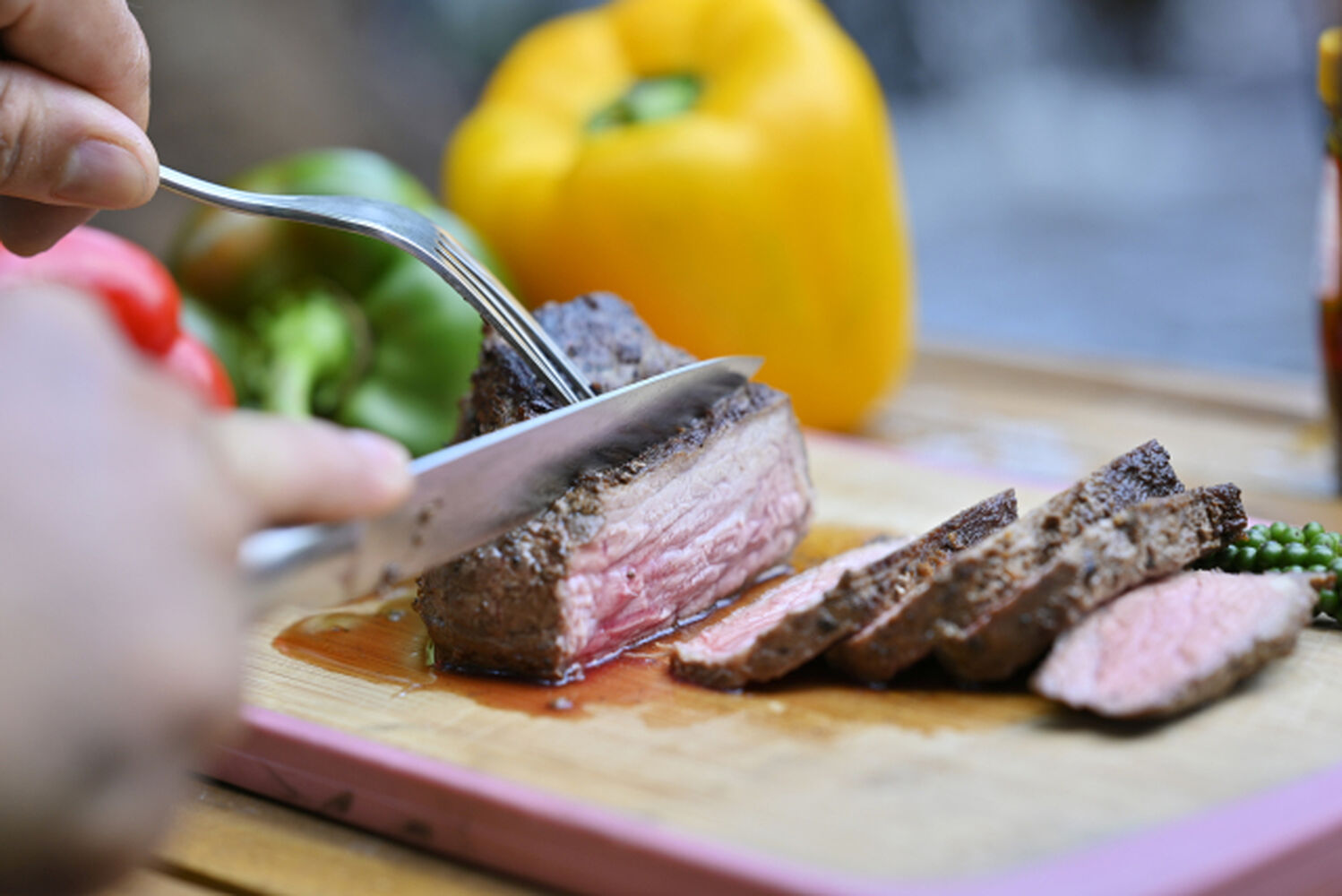
By incorporating protein-rich recipes, you can efficiently consume protein. First, let's take a look at grilled chicken breasts. By marinating chicken breasts, seasoning them with olive oil and herbs, and grilling them, you can create a simple and delicious dish. By serving it with a salad, you can also consume vitamins at the same time, improving your nutritional balance.
Next, we recommend "tofu and vegetable stir-fry." Tofu is cut into bite-sized pieces and lightly stir-fried with various vegetables (broccoli, peppers, carrots, etc.). Lightly seasoned with soy sauce and mirin, you can enjoy the flavor of the tofu and the crispness of the vegetables.
Another great breakfast combination is Greek yogurt and fruit. Greek yogurt is richer in protein than regular yogurt, and topping it with sliced bananas or berries can add sweetness and nutrients.
Finally, "egg slather" is another easy, protein-rich dish to make. Crack eggs into a heat-resistant container, season with salt and pepper, and cook in a water bath. Serve with toast for a perfect breakfast or snack.
By incorporating these recipes into your daily routine, you can consume protein in a delicious and fun way. By adding variety, you can create meals that you can continue without getting bored.
My own experience: What a lack of protein and healthy food does to my body
There was a time when I was lacking in protein and health foods, and I'd like to share with you the reaction my body had at that time.
What a lack of protein and healthy food does to your body
Insufficient intake of protein and health foods can have various adverse effects on the body. First, the most noticeable effect is a decrease in muscle strength. In particular, for people who exercise, not getting enough protein can slow down muscle repair and reduce the effectiveness of training. In addition, there is concern that the immune system may be weakened, making people more susceptible to colds and infections.
It also affects the quality of your skin and the condition of your hair. A lack of protein can cause your skin to lose elasticity and lead to more age spots and wrinkles. Protein is also important for the health of your hair, and a lack of protein can cause thinning and hair loss, so it's very important.
In this way, a lack of protein and healthy foods directly affects various bodily functions and appearance. Paying attention to your daily diet and properly consuming the necessary nutrients is essential to maintaining good health.
The steps I took to improve
When I realized that I was not getting enough protein or healthy foods, the first thing I did was to review my diet. I started by looking back at my daily menu and improving the meals that I felt were lacking in protein. Specifically, I naturally increased my protein intake by adding eggs to my breakfast and chicken or tofu to my lunch.
I also tried to be mindful of my snacking choices, choosing nuts and Greek yogurt as they are easy protein options and very convenient when I'm hungry.
I also considered using protein supplements when needed, especially after exercise, by mixing protein powder into my smoothies to get a quick boost of protein. By implementing these improvements, I gradually began to feel better and live a healthier life.
Summary: What to consider for healthy protein intake
Let's review the main points covered in this article to gain a deeper understanding of healthy living, healthy food, and the importance of protein intake.
Revisiting memorable points
In this article, we have covered various points about the importance of protein and healthy foods. First, we have emphasized that protein is a building block of our bodies and an essential nutrient for repairing muscles and maintaining immune function. We have also explained that not consuming enough protein can lead to muscle loss and a weakened immune system.
Furthermore, we showed that there are many types of health foods, and that protein can be efficiently obtained from meat, fish, beans, dairy products, etc. Finally, we introduced how to incorporate protein into your cooking, suggested specific recipes, and how to use protein supplements. These points will serve as important guidelines for reviewing your daily diet and maintaining your health.
The importance of healthy foods and protein intake
The importance of healthy foods and protein intake is essential to maintain our health and improve our quality of life. Protein is a nutrient necessary for the growth and repair of the body, and its intake is especially important when doing strength training and for the elderly. In addition, by utilizing health foods, we can efficiently supplement the necessary nutrients.
By incorporating a balanced amount of protein into your daily diet, you can improve your immune system and keep your skin and hair healthy. Furthermore, developing healthy eating habits can help prevent lifestyle-related diseases. Putting effort into your diet and consciously consuming protein will be the foundation of maintaining your health.
NEW
Why should you buy health foods online? A thorough explanation of the reasons and benefits.
query_builder 2026/07/13[Must-see!!] The hidden power of black garlic! A thorough explanation of S1PC's anti-aging effects.
query_builder 2026/06/18Black GarlicBlack GarlicBeautyBeautySurprising uses for sea buckthorn in the remote region of Mongolia! Discover its appeal as a health food
query_builder 2025/12/08Sea BuckthornSea BuckthorndietdietBeautyBeautyA health ally! A thorough comparison of the nutritional components of sea buckthorn juice!
query_builder 2025/10/27Sea BuckthornSea Buckthorn