Nutritional supplements for the growth period will support your child's future!
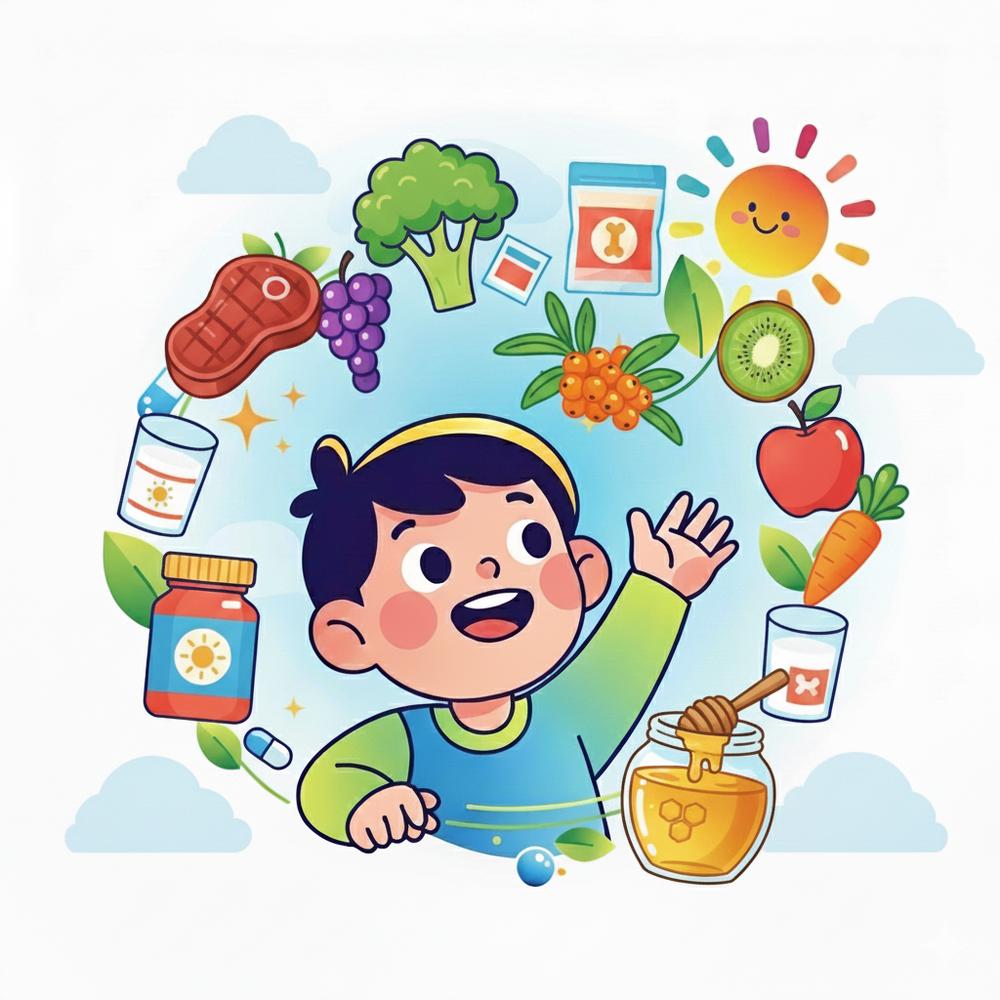
Balanced nutrition is essential for children to grow up healthy. It is especially important to use appropriate nutritional supplements to efficiently replenish the nutrients needed during growth. In this article, we will explore in detail the nutrients needed during growth and the nutritional supplements that support them. Furthermore, we will not only provide information, but also consider how we can support your child's nutrition and growth, incorporating actual experiences and consultations from parents. Please take a look. #HealthManagement #GrowthSupport #NutritionalSupplement #ChildGrowth #DietImproving
table of contents
-
What nutrients are needed during growth?
-
The Importance of Calcium
-
Vitamin D promotes growth
-
-
The role of nutritional supplements and how to choose them
-
Nutritional Supplement Basics
-
Child-safe choices
-
-
Learning from actual consultation cases
-
Voices of parents concerned about calcium deficiency
-
Tips for choosing a multivitamin supplement
-
-
Recommended foods to support growth
-
Calcium-rich foods you should consume every day
-
Ways to get extra vitamin D
-
-
How to achieve the right nutritional balance to support growth
-
The Importance of Protein and Amino Acids
-
The role of lipids and carbohydrates
-
-
The relationship between exercise and nutrition during growth
-
The health benefits of moderate exercise
-
The best balance between sports and nutrition
-
-
Precautions for nutritional supplements during growth
-
Nutrients to be careful not to take in too much
-
How to assess your allergy risk
-
-
Summary: Considering nutrition during growth
-
Nutrition planning that puts children's health first
-
Tips for continuing without strain
-
What nutrients are needed during growth?
Growth is a time when the body undergoes major changes. It is important to fully understand and consume the nutrients needed during this period. Here we will explain in detail the nutrients that are particularly necessary during growth.
The Importance of Calcium
Calcium plays a particularly important role during growth. This nutrient is essential for bone growth in children, and children need about twice as much calcium as adults. It is important to consume enough calcium to increase bone density and form healthy bones.
Calcium is abundant in dairy and soy products such as milk, cheese, and tofu. For example, you can easily supplement your calcium intake by incorporating milk into your daily diet. Yogurt and cheese are also good options. These foods are easy to incorporate into your diet and are also good for maintaining a balanced diet, so it's a good idea to try them for breakfast or as snacks.
On the other hand, growing children sometimes do not get enough nutrition due to their busy daily lives. In such cases, using nutritional supplements containing calcium may be effective. In particular, for children who do not like to drink milk or who tend to have an unbalanced diet, calcium supplements can make up for the nutritional deficiencies.
Additionally, taking in vitamin D is important to promote calcium absorption. Vitamin D, found in fish and mushrooms, increases calcium absorption, so it's important to consciously take in vitamin D, including exposure to sunlight. Increasing the amount of time children spend playing outside and living a lifestyle that allows them to supplement their vitamin D naturally will help support their further growth.
In this way, understanding the importance of calcium during growth and actively incorporating it into your child's diet will help support their healthy growth. Parents who pay attention to their daily diet and nutritional management will ensure that their children's nutritional needs are met, helping them to live healthy and active lives. Growth is a special time in a child's life, and it is extremely important to be mindful of calcium.
Vitamin D promotes growth
Vitamin D is another nutrient that is as important as calcium during growth. Vitamin D helps with calcium absorption. If this nutrient is lacking, the calcium that is ingested will not be used efficiently in the body, which may have a negative impact on bone growth. Therefore, it is very important for children to take in vitamin D during their growth period.
Vitamin D has the property that it can be synthesized not only through diet but also within the body. Specifically, the skin produces vitamin D when exposed to sunlight. For this reason, it is recommended that children get adequate sun exposure. In particular, they should spend more time playing outside on sunny days, so that they can naturally ingest vitamin D while playing.
Foods that are high in vitamin D include oily fish, fish liver oil, and dried shiitake mushrooms. By incorporating these foods into your daily diet, you can efficiently supplement your vitamin D intake. For example, making it a habit to eat oily fish several times a week will help maintain the health of your entire family. There are also a wide variety of dishes that use dried shiitake mushrooms, and by soaking them in water and adding them to simmered or stir-fried dishes, you can easily help ingest vitamin D.
In fact, modern lifestyles mean that people spend more time indoors and have fewer opportunities to consciously get sunlight. For this reason, there is concern that many children are not getting enough vitamin D. In such cases, one solution is to take nutritional supplements containing vitamin D.
However, excessive intake of vitamin D should be avoided. It is important to check the recommended intake and be aware of the appropriate amount. Nutritional management at home is a major factor in supporting the health of growing children, so be sure to maintain a balanced diet. Ultimately, adequate vitamin D supplementation promotes calcium absorption and ensures healthy bone growth. In this way, understanding the interaction between vitamin D and calcium will help support the healthy growth of children.
The role of nutritional supplements and how to choose them
In today's modern diet, it can be difficult to get all the nutrients you need from food alone. Here we will explain the role of nutritional supplements and how to choose them.
Nutritional Supplement Basics
Nutritional supplements are positioned as a convenient tool for maintaining nutritional balance in today's busy lifestyles. As children grow, they are prone to becoming deficient in necessary nutrients, so nutritional supplements can be a great help to parents. These foods can easily supplement nutrients that are difficult to obtain from daily meals.
Nutritional supplements come in a variety of forms, including supplements, energy drinks, and powdered products. They are designed for people who tend to be particularly deficient in specific nutrients, and are characterized by their ability to efficiently replenish the necessary ingredients. For example, if a child tends to be a picky eater and does not eat many colorful vegetables and fruits, choosing a nutritional supplement containing vitamins and minerals can help make up for that deficiency.
However, there are a few things to keep in mind when using nutritional supplements. First of all, they are merely supplements and not a substitute for meals. Daily meals are the basis, and it is best to use nutritional supplements on top of that. This is because nutrients obtained from food are most easily absorbed by the body and interact well with each other.
Next, it is important to understand the correct way to take them. Dietary supplements can pose health risks if taken in excess, so it is important to follow the dosage and timing. It is especially important for young children to check the recommended amount and manage it so that they do not overdose.
Furthermore, although nutritional supplements are intended to enhance specific ingredients, it is also important to choose high-quality products. Safety can be ensured by choosing products from trusted manufacturers and brands. Carefully check the product's ingredient label and manufacturing process, and choose products that are safe for your child to consume.
As such, nutritional supplements are an effective way to support children's growth, but the key to success is being aware of combining them with meals and using them correctly. Parents can support their children's healthy growth by taking the lead and making an effort to manage their nutrition in a balanced manner.
Child-safe choices
When giving nutritional supplements to children, safety is the most important point. In recent years, a wide variety of products have been released on the market, but it is important to know the criteria for choosing with confidence. The first thing to do is to choose a reliable manufacturer. Products from well-known manufacturers and brands recommended by medical institutions and nutritionists often have a guaranteed quality. When considering a purchase, we recommend that you especially check the product's background.
Next, it is important to carefully check the ingredient label. Nutritional supplements may contain many ingredients, some of which may contain substances that cause allergies, preservatives, coloring agents, etc. Particular care must be taken with children who have allergies. When purchasing, it is important to carefully check the ingredients and choose products that are safe for children to ingest.
The form and flavor of nutritional supplements should also be considered. Children have different preferences, so choosing a form and flavor that is easy to take will help them naturally take in nutrients. For example, supplements come in tablets, powders, liquids, and other forms, but as long as they are easy to swallow, they will be able to take them smoothly.
You also need to consider the financial burden. Dietary supplements come in a wide range of prices, so we recommend comparing cost-effectiveness before purchasing. Choosing products that are easy on the budget can help you create a habit that you can continue without difficulty.
Finally, when introducing nutritional supplements, it is important for parents to be actively involved and discuss the importance of nutrition with their children. By thinking together about how to incorporate them into their meals, children will naturally become interested in nutrition. Through this process, choosing reliable nutritional supplements will be an important step in supporting children's growth. By making careful choices, parents can watch over their children's healthy growth.
Learning from actual consultation cases
Many parents worry about how to choose nutritional supplements. Here, we will consider how to choose and what to do based on actual consultation cases.
Voices of parents concerned about calcium deficiency
Many parents are concerned about calcium deficiency, and they share a common concern. "My child is growing, but I can't seem to get him to eat a diet rich in calcium," and "He doesn't like milk, so I don't know how to get him to consume calcium," are particularly common complaints. Growing children in particular need solid bone mass, so how to encourage calcium intake is a major challenge for parents.
One parent was concerned that their child's diet was unbalanced, and worried about the overall balance of their meals. "My child eats his favorite protein and vegetables, but he doesn't touch any foods containing calcium," they said. "I'm constantly searching for ways to incorporate calcium into my child's daily meals." This led parents to consider using nutritional supplements.
Furthermore, another parent said, "Once my child started elementary school, he started eating lunch with friends more often, and it became difficult for him to eat a balanced diet." Although foods containing calcium are provided in school lunches, it is not possible to guarantee that he receives calcium every day, so parents are required to be creative at home. "Even if it means using nutritional supplements, we want to make up for the calcium deficiency," it seems that they are trying various methods.
Furthermore, many parents feel pressured to ensure their children get enough calcium, due to their concern about their child's growth. Some say, "I'm worried that my child will be malnourished, and I feel a sense of responsibility as a parent." These are very real feelings for parents.
Hearing these kinds of comments from parents gives us an opportunity to reconsider what we can do to ensure that children get enough calcium. What is needed is a way to support children's health by making smart use of nutritional supplements and ingredients, while drawing on actual experiences.
Tips for choosing a multivitamin supplement
Multivitamin supplements are popular with many parents as a convenient way to provide essential nutrients for growing children, but there are a few things to keep in mind when choosing the best product.
First of all, it's important to check the ingredients. Some multivitamins contain a lot of vitamins and minerals, but you also need to carefully check what is and isn't included. Comparing the amounts of calcium and vitamin D, which are especially important for growing children, will make it easier to find the right supplement for your child.
Next, be careful of additives and preservatives. For children, we recommend choosing products with as natural ingredients as possible, without synthetic chemical additives or preservatives. Additive-free and organic products are safe choices.
Additionally, you should consider the method of administration. Choosing a supplement in a form that is easy for children to swallow will help them take it without any resistance. If your child doesn't like tablets, choosing a powder or liquid product may allow them to enjoy taking nutrients in a fun way.
It is also important to choose products from trusted manufacturers. Well-known brands and products recommended by medical institutions and nutritionists offer peace of mind in terms of quality. Referencing customer reviews and ratings is also a good way to make a decision.
Finally, it's important to understand the dosage and timing of intake. Supplements are most effective when taken in appropriate amounts and with meals. Parents themselves can think about how to incorporate supplements into their daily lives, which will naturally encourage their children to take an interest in nutrition and promote healthy growth. By being mindful of how to choose the right supplements, you can make good use of safe and effective multivitamin supplements and support your children's growth.
Recommended foods to support growth
Here are some foods that you should incorporate into your daily diet to help support your child's growth. Combine these with nutritional supplements to ensure a balanced diet.
Calcium-rich foods you should consume every day
For growing children, it is very important to include foods rich in calcium in their daily diet. The first thing that comes to mind is milk. Milk is a basic food that can efficiently absorb calcium, and is especially recommended for growing children. For example, you can easily supplement your calcium intake by simply adding a glass of milk to your breakfast every morning.
Next, yogurt and cheese are also excellent sources of calcium. Yogurt is easy for children to eat and can be enjoyed as a dessert. By adding fruit to plain yogurt or adding honey, you can change up the flavor and keep it from getting boring. Cheese is also easy to eat as a snack, making it a great addition to your snacks.
Tofu is also rich in calcium. Silken tofu in particular is soft and easy to use in cooking, so it can be added to soups and salads. Its flavor is familiar to children, so it can be actively incorporated into meals at home.
Other seaweeds such as hijiki and komatsuna, as well as green and yellow vegetables, also contain calcium. Hijiki is often used in simmered dishes and salads, while komatsuna is ideal for boiled dishes and stir-fries. By including these foods on your dinner table, you can efficiently ingest calcium.
Finally, fish is also a food rich in calcium. Small fish such as shishamo and dried shrimp are particularly easy to eat and rich in calcium, making them perfect for growing children. In this way, by incorporating a variety of calcium-rich foods into daily meals while adding color, you can support the healthy growth of children. Parents can create enjoyable mealtimes for their children by choosing ingredients wisely.
Ways to get extra vitamin D
Vitamin D aids in calcium absorption and is a very important nutrient for children's growth. There are several ways to ensure that you get this vitamin effectively. First, it is important to get plenty of vitamin D from your diet. Fish, especially salmon, tuna, and mackerel, are rich in vitamin D. These fish can be baked or boiled and added to your diet to support the health of the whole family.
Dried mushrooms such as dried shiitake mushrooms and dried enoki mushrooms are also good choices. Dried mushrooms produce vitamin D when exposed to sunlight, so incorporating them when they're in season can easily boost your nutrition. Simply adding them to soups or simmered dishes is a great way to easily get vitamin D.
In addition, increasing the amount of time you spend in sunlight in your daily life is also effective. Make sure to play outside, especially on sunny days. Spending more time playing in the park or garden will naturally encourage the synthesis of vitamin D. However, be sure to take precautions such as avoiding prolonged exposure to direct sunlight, taking into account the effects of ultraviolet rays.
Another option is to take vitamin D supplements, especially milk, yogurt, and cereals that are fortified with vitamin D. Choosing these products is a fun way to supplement your vitamin D intake.
In this way, incorporating ideas to add extra vitamin D to daily life can fully support children's growth. Paying attention not only to food selection but also to overall lifestyle habits will lead to healthy development. With active support from parents, children will naturally become interested in nutrition and will develop the habit of consciously consuming the nutrients their bodies need.
How to achieve the right nutritional balance to support growth
For growing children, consuming a balanced diet of various nutrients will lead to healthy growth. We will explain in detail what kind of nutritional balance is necessary.
The Importance of Protein and Amino Acids
Protein and amino acids are extremely important nutrients for growing children. Parents need to be aware of the nutrients their children need to grow healthy and lead an active lifestyle. Protein is an important component of muscle, bones, and internal organs, and is essential for growth and development. Children's bodies undergo rapid changes during this period, so they require more protein intake than adults.
Protein can be obtained from a variety of foods. Meat, fish, soy products, eggs, dairy products, and more are all rich in protein, so it's important to incorporate them into your diet in a balanced way. Meat and fish, in particular, are good sources of protein, are easy for children to eat, and are also useful for nutritional management.
The amino acids that make up protein are also important. Amino acids are the basic building blocks of protein and are essential for creating new tissues in the body. Children, especially during their growth period, need to efficiently absorb amino acids as they form muscles and nerve cells. Amino acids can be obtained not only from animal foods such as meat, fish, eggs, and dairy products, but also from plant foods such as beans, nuts, and whole grains.
A lack of protein and amino acids not only has a negative impact on growth, but can also lead to a weakened immune system and fatigue. For this reason, it is important to consciously incorporate these nutrients into children's diets. Parents can support their children's health and growth by being sensible in choosing ingredients and providing a balanced diet. Adequate intake of protein and amino acids is expected to bring out children's vitality and support them toward a better future.
The role of lipids and carbohydrates
Lipids and carbohydrates are also important nutrients for growing children. These nutrients are especially essential for efficient brain and body function. First of all, lipids play a major role as an energy source. For growing children in particular, consuming an appropriate amount of lipids is extremely important for supporting growth. Lipids are components of cell membranes and are also involved in hormone synthesis and nutrient absorption. Olive oil, the high-quality fats found in fish, and nuts are typical foods that contain healthy lipids.
On the other hand, carbohydrates function primarily as a source of energy. Carbohydrates are the main source of energy, especially for growing children who are very active. By consuming carbohydrates from foods such as rice, bread, pasta, and fruit, you can efficiently obtain the energy you need for your daily activities. In addition, carbohydrates found in whole grains and vegetables that are rich in dietary fiber aid digestion and regulate the intestinal environment, contributing to maintaining good health.
As a parent, it is important to provide a balanced diet of fats and carbohydrates to your growing children. The key is to actively choose nutritious foods and find ways to ensure that they consume the appropriate amounts. During this period of growth, nutrition from food is particularly important, so by incorporating plenty of fats and carbohydrates into your child's diet, you can support their healthy growth.
The relationship between exercise and nutrition during growth
Not only nutrition, but exercise is also essential during the growth period. We will explore how exercise and nutrition interact to support the healthy growth of children.
The health benefits of moderate exercise
Moderate exercise is very important for children during their growth period and has a variety of positive effects on their health. First of all, exercise is essential for strengthening muscles and bones and building a healthy body. In particular, children's bones can increase bone density by being subjected to sufficient stress during their growth period. This is expected to reduce the risk of fractures and osteoporosis in the future.
Exercise also improves cardiopulmonary function. Regular exercise improves the function of the heart, allowing it to transport oxygen and nutrients throughout the body more efficiently. As a result, you become less prone to fatigue and your endurance improves. This improvement in physical fitness has a positive impact on your daily life and studies.
Furthermore, moderate exercise contributes to mental health. Exercise releases endorphins, which helps reduce stress and anxiety. Playing sports and playing with friends is also a good opportunity to develop communication skills and cooperation. Interacting with others through exercise fosters social skills, which is an element that supports a healthy mind.
As you can see, moderate exercise not only promotes physical growth during adolescence, but is also essential for mental health and social development. As parents, it is important to create an environment where children can enjoy exercise and support them. Don't forget that both exercise and nutrition are important elements for building a healthy lifestyle.
The best balance between sports and nutrition
For children involved in sports, nutrition is essential to maximize performance. Exercise consumes energy, so it is important to get the right nutrition. Carbohydrates (carbohydrates), in particular, are extremely important as a source of energy during exercise. Carbohydrates from foods such as rice, bread, and fruit provide the basis for energy for exercise.
Protein is also essential for muscle recovery and growth after exercise. Incorporating meat, fish, eggs, and soy products into your diet can help repair muscles. In particular, consuming protein promptly after sports can help repair muscles more effectively.
Additionally, hydration is extremely important. During exercise, you sweat, which can cause your body to lose fluids. It is important to stay hydrated and prevent dehydration. As a general rule, make sure to drink plenty of fluids before, during, and after exercise.
In this way, ensuring a balance between sports and nutrition has a significant impact on children's growth and performance. Parents can further enhance the effects of their children's exercise by providing nutritional support and appropriate meals. It is important to consider the balance between sports and nutrition in order to promote healthy growth.
Precautions for nutritional supplements during growth
There are many things to be aware of when giving nutritional supplements to growing children. We will explain how to choose nutritional supplements that put health first.
Nutrients to be careful not to take in too much
Nutritional intake is very important for growing children, but care must be taken not to consume too much. Excessive intake of some nutrients, especially vitamins A, D, or iron, can have adverse health effects. For example, excessive intake of vitamin A can cause dry skin, headaches, and even liver damage.
Vitamin D is also important, but excessive intake can lead to abnormal calcium accumulation and put a strain on the kidneys. Iron, too, can accumulate in the body if the amount exceeds the required amount, which can have adverse effects. It's important to carefully monitor your intake, especially when using supplements.
As you can see, a balanced diet is important when it comes to nutrition. As a parent, we recommend focusing on nutrients that can be naturally obtained from food and using supplements with caution. By considering nutritional balance, you can firmly support your children's health.
How to assess your allergy risk
When children take nutritional supplements, it is very important to identify allergy risks. First, if there are foods to which your family is allergic, you need to check that the product does not contain any ingredients that are allergic to them. Children are particularly sensitive to common allergens such as dairy products, nuts, and eggs, so it is important to check the label carefully.
When trying a new nutritional supplement, we recommend starting with a small amount. When consuming a new food, be sure to carefully monitor for any allergic reactions. Allergic symptoms can manifest in a variety of ways, including itchy or swollen skin and difficulty breathing, so if you notice any abnormalities, it is important to immediately stop using the product and consult a specialist.
By carefully identifying allergy risks, you can create an environment where your child can safely take nutritional supplements. As parents, we must continue to pay attention to what our children eat and make efforts to protect them.
Summary: Considering nutrition during growth
We have looked at a wide range of topics, including how to choose nutritional supplements for growing children and nutritional balance. The most important thing is to be able to continue taking them without difficulty in your daily life. Finally, let's review the key points to consider when thinking about nutrition.
Nutrition planning that puts children's health first
Creating a nutrition plan that prioritizes your child's health is crucial to supporting their growth. A balanced diet is essential. Include adequate amounts of carbohydrates, protein, fat, vitamins, and minerals in your daily meals, and try to enjoy a variety of foods.
It is also important to have regular meal times and not skip breakfast. Furthermore, nutritional supplements can be taken if necessary, but care must be taken not to overdose. Spending time eating meals together as a family can be an opportunity to encourage children to take an interest in nutrition.
By implementing a comprehensive nutrition plan like this, we can firmly support the health of our children. Let's focus on children's health and promote their healthy growth through enjoying meals together.
Tips for continuing without strain
The key to sustainable nutritional management is to make it fun and to make it a habit. First, it's important to come up with recipes using ingredients your child likes and get them interested. Cooking together will increase their interest in food and naturally draw their attention to nutrition. Also, preparing a variety of menu items will help them consume nutrients without getting bored.
Additionally, setting small goals is also effective. Setting a specific goal, such as "add one serving of vegetables every day this week," and experiencing a sense of accomplishment will help maintain motivation. Parents who enjoy meals themselves will help their children view meals at home in a positive light.
By incorporating these kinds of easy-to-continue ideas, you can help children to enjoy healthy eating habits. It is important to take a long-term view of nutritional management, not just a temporary measure.
NEW
Why should you buy health foods online? A thorough explanation of the reasons and benefits.
query_builder 2026/07/13[Must-see!!] The hidden power of black garlic! A thorough explanation of S1PC's anti-aging effects.
query_builder 2026/06/18Black GarlicBlack GarlicBeautyBeautySurprising uses for sea buckthorn in the remote region of Mongolia! Discover its appeal as a health food
query_builder 2025/12/08Sea BuckthornSea BuckthorndietdietBeautyBeautyA health ally! A thorough comparison of the nutritional components of sea buckthorn juice!
query_builder 2025/10/27Sea BuckthornSea Buckthorn