Discover the secrets of the health food sea buckthorn! The history of sea buckthorn and what it's called around the world
Sea buckthorn is gaining attention as a health food. The plant is rich in ingredients that contribute to health and is popular around the world. In this article, we will focus on the history of sea buckthorn and what it is called in other countries, and explain its appeal. Sea buckthorn is still unfamiliar to many people, but if you learn about its origins and international recognition, you will be able to understand it better. With this information, you will also gain the know-how to choose the health food that is right for you.
table of contents
-
What is Sea Buckthorn?
-
Basic information about Sea Buckthorn
-
Health benefits of sea buckthorn
-
-
Tracing the history of sea buckthorn
-
The ancient use of sea buckthorn
-
Reevaluation of Sea Buckthorn in Modern Times
-
-
What Sea Buckthorn is called around the world
-
Sea Buckthorn's name in Japan
-
Sea Buckthorn in Asia
-
-
Sea Buckthorn Cultivation and Habitat
-
Sea Buckthorn Cultivation Conditions
-
Sea Buckthorn Habitats Around the World
-
-
How to incorporate sea buckthorn
-
Sea Buckthorn Juice and Smoothies
-
Recipes using Sea Buckthorn
-
-
Safety and precautions for sea buckthorn
-
Side effects of sea buckthorn
-
Sea Buckthorn Intake During Pregnancy and Breastfeeding
-
-
Customer testimonials: Sea Buckthorn experience
-
Examples of health improvements with Sea Buckthorn
-
Impressions of Sea Buckthorn's Taste
-
-
Future outlook for sea buckthorn
-
The evolution of the sea buckthorn market
-
Future research into sea buckthorn
-
What is Sea Buckthorn?
We've been hearing about sea buckthorn a lot lately, but what exactly is it? It's not just a fad, it's based on its nutritious properties as a plant. Here we'll take a closer look at its characteristics and basic information.
Basic information about Sea Buckthorn
Sea buckthorn is a plant belonging to the Elaeaceae family, and its scientific name is Hippophae rhamnoides. It is found mainly in cold regions and high altitudes, especially in the dry regions of the Tibetan Plateau and Mongolia. This plant bears small, distinctive yellow fruits, which is one of the reasons it has attracted attention as a health food.
Seabuckthorn fruits are rich in vitamins C and E, which are said to boost immunity. They also contain antioxidants, making them valued for their beauty and anti-aging properties. Seabuckthorn seeds also contain omega fatty acids, which are said to support heart health. Seabuckthorn fruits and seeds are consumed in a variety of forms, and many people enjoy them in juices and smoothies.
Sea buckthorn has been used since ancient times, and in traditional Chinese and Tibetan medicine, it has been widely used for its physical strength-boosting and healing effects. In modern times, with the advancement of nutritional science, its ingredients have been elucidated in detail, and it is now considered an attractive superfood for many health-conscious people.
Sea buckthorn is best grown in dry, cold regions, and often grows wild in these environments. This allows sea buckthorn to withstand the harsh conditions of the natural environment. Sea buckthorn fruit is therefore highly nutritious and an ideal choice as a health food.
Recently, many health food manufacturers have started incorporating sea buckthorn into their products due to its high nutritional value. By incorporating sea buckthorn into your daily life, you can easily replenish your nutrients and help support a healthy lifestyle. In this way, sea buckthorn contributes to people's lives in various ways due to its rich nutrients and health benefits.
Health benefits of sea buckthorn
Sea buckthorn has established itself as a "superfood" due to its high nutritional value. Its fruits and seeds contain many ingredients that are beneficial for health, especially vitamins C and E and omega fatty acids. These nutrients are expected to have a variety of effects on health maintenance and beauty.
Firstly, Vitamin C contributes to strengthening the immune system. This vitamin plays a role in protecting the body against external pathogens and viruses, and is said to be effective in preventing colds and flu. Vitamin C also aids in collagen production, which has a significant impact on skin health. It helps maintain skin elasticity and reduces wrinkles, helping you maintain a youthful appearance.
Next, vitamin E also plays an important role. This vitamin has a strong antioxidant effect and works to delay cell aging by removing active oxygen from the body. Sea buckthorn fruit contains a particularly high concentration of vitamin E, making it an attractive food for those who care about their beauty.
In addition, the omega fatty acids contained in sea buckthorn are known to support heart health. These fatty acids are said to improve blood cholesterol levels and contribute to the prevention of arteriosclerosis. Maintaining a healthy heart also leads to longer life and improved quality of life, so it is an ingredient that you should consciously consume.
As such, sea buckthorn is a food rich in ingredients that contribute to health, such as vitamins C and E and omega fatty acids. By incorporating it into your daily life, you may be able to easily improve your health and vitality. In particular, health-conscious people and those who care about beauty are strongly encouraged to actively incorporate sea buckthorn into their diet. As people experience these effects, more and more people are discovering the appeal of sea buckthorn.
Tracing the history of sea buckthorn
The use of sea buckthorn dates back to ancient times, and tracing its history can help us understand what makes it so special to modern people. Here we take a deeper look at its origins and historical uses.
The ancient use of sea buckthorn
Sea buckthorn is a very interesting plant whose uses date back to ancient times. It has a long history in traditional medicine, especially in China and Tibet. Ancient peoples made effective use of the fruit, leaves, and even seeds of sea buckthorn to promote good health.
In ancient China, sea buckthorn was known as "Shaji" and was used to improve physical strength and cure illnesses. In traditional Chinese medicine, the fruit of sea buckthorn was used as a medicinal herb to support kidney and liver function and improve overall health. Sea buckthorn's unique nutritional properties were also believed to boost people's immunity, and there was a folklore based on this.
Meanwhile, in Tibet, sea buckthorn has been treasured as a plant that can withstand the harsh environment particular to high altitudes. Sea buckthorn fruit, which grows in harsh climatic conditions, is highly nutritious and was used in particular to recover from fatigue and to replenish nutrients. The ancient Tibetan people paid attention to the energy and nutrition that could be obtained from sea buckthorn, and by incorporating it into their daily diet, they improved their quality of life.
Furthermore, sea buckthorn was also adopted by nomads, and the light and easy-to-carry fruit of sea buckthorn was positioned as an important source of nutrition for those who were on the move. Sea buckthorn fruit also had excellent properties as a preserved food.
Considering this historical background, there is a reason why sea buckthorn is still widely used as a health food today. This suggests that ancient wisdom is still applicable today, and its use continues to transcend time. Today, many people are paying attention to the health benefits of sea buckthorn and by rediscovering its appeal, it is believed that ancient wisdom can be incorporated into modern lifestyles.
Reevaluation of Sea Buckthorn in Modern Times
In modern times, sea buckthorn has been reevaluated for its high nutritional value. Especially since the 1990s, as scientific research has progressed, the effects of the various ingredients contained in sea buckthorn have been clarified, and it has attracted attention as a response to the health-consciousness of many people.
The background to this reevaluation is the spread of the concept of superfoods along with advances in nutritional science, and the increased demand for foods that are considered to be healthy. Sea buckthorn in particular has attracted attention for its high vitamin C content and the presence of antioxidants, and has become more and more available on the market as a health food. Research has shown that sea buckthorn fruit is rich in beneficial ingredients such as omega fatty acids, vitamin E, and flavonoids. Many studies have confirmed that these nutrients are useful for strengthening the immune system and maintaining healthy skin.
Sea buckthorn is also cultivated in cold regions due to its cold resistance, and because it grows in a natural environment, it contains few artificial additives, making it an ideal choice for consumers looking for organic and natural foods.
Modern product developers and health food manufacturers are also commercializing sea buckthorn in various forms. It is now sold in forms that are easy for consumers to incorporate into their daily lives, such as juice, supplements, and smoothies, allowing more people to use sea buckthorn in their daily lives. This change can be said to have been due to the rise of sea buckthorn, which has increased health awareness and promoted demand for the fruit itself.
Recently, recipes incorporating sea buckthorn and effective ways to incorporate it into your diet have been proposed, and it has become a focus of attention, especially among health-conscious people. As the nutritional value and health benefits of sea buckthorn are rediscovered in various ways, it is becoming increasingly important for people who seek a healthy lifestyle. In this way, the use of sea buckthorn, which has continued since ancient times, has been passed down to modern people across the ages, and its appeal continues to spread by riding the wave of reevaluation.
What Sea Buckthorn is called around the world
It is common for the same plant to be called different names depending on the country or region. Sea buckthorn is no exception and is known by a variety of names around the world. Here we will introduce the names they are called in each country and the background to them.
Sea Buckthorn's name in Japan
In Japan, sea buckthorn is generally referred to as "sajy" and is often academically written as "sagyoku." This name comes from the Chinese word "sha jong" and is widely used in Asian countries, including China. Sea buckthorn has been attracting attention in Japan in recent years due to its health benefits and high nutritional value, and it is distributed in a variety of health foods and beverages.
Sea buckthorn is not yet very well known in Japan, so some consumers have a lack of understanding of its name and effects. However, as health consciousness increases, products using sea buckthorn fruit and its extracts are beginning to appear on store shelves, and many people are becoming aware of its existence.
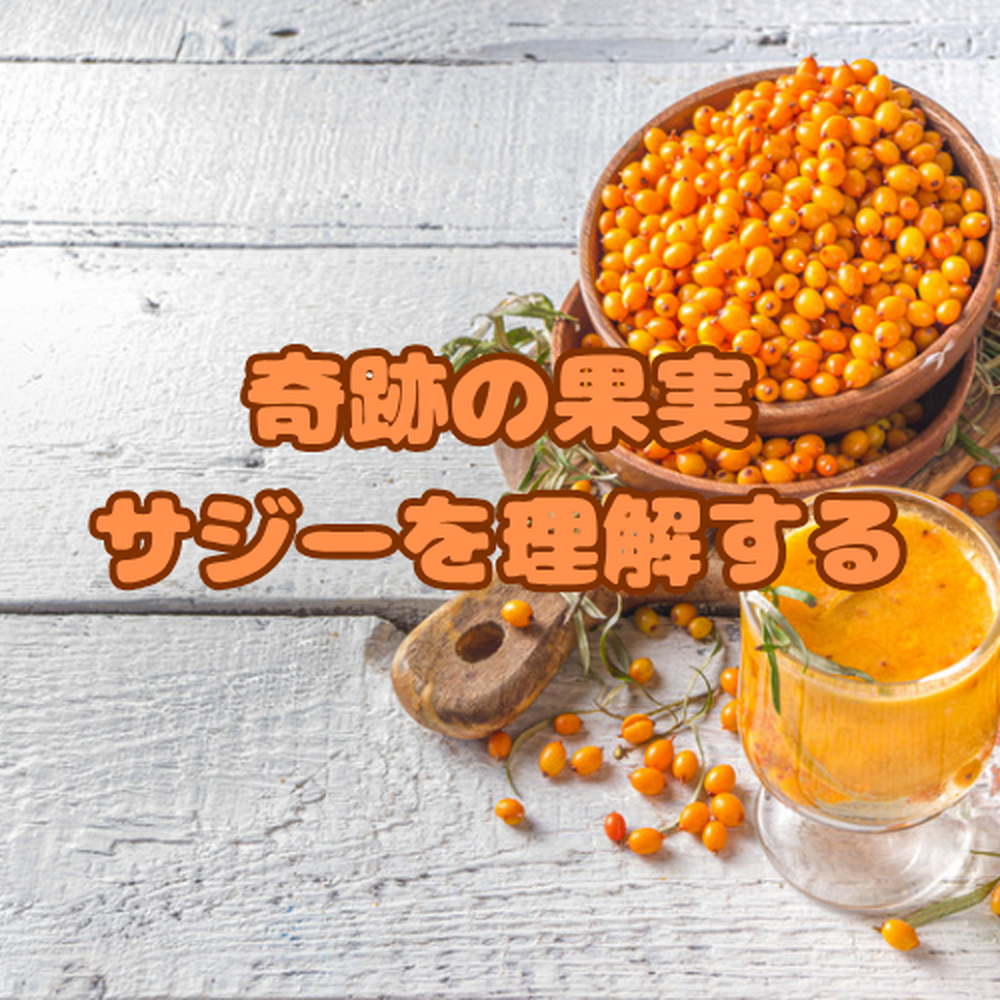
If you think about the origin of the name, sea buckthorn is a very unique plant that reflects the characteristics of its fruit. The fruits are small and bright orange, and are visually appealing because they look beautiful. This has led to them being increasingly used not only as a health food, but also as a topping for dishes and drinks.
Recently, as the name of sea buckthorn has become more widely known, various brands and manufacturers have started to develop products that incorporate sea buckthorn. In particular, juices and smoothies that use sea buckthorn are popular among the younger generation because they are easy to consume. As this trend continues, sea buckthorn has also attracted attention as a new genre in the Japanese health food market.
In this way, the name and recognition of sea buckthorn in Japan is evolving, and there is a possibility that it will become more familiar to even more people in the future. In the future, it is expected that products containing sea buckthorn will become more diverse and play an important role in our diet. As the name sea buckthorn spreads, health awareness will also increase, and the day may come when more people will be able to enjoy the charms of sea buckthorn.
Sea Buckthorn in Asia
In Asia, sea buckthorn is known by different names depending on the country and region. In particular, in China, where sea buckthorn is native, it is called "shaki" and this name has been used since ancient times. This name, which also expresses the characteristics of the plant, is that it grows in sandy soil. Sea buckthorn has played an important role in Chinese culture for thousands of years.
In India, sea buckthorn is called "Amalaki." This name comes from traditional Ayurvedic medicine, where it is valued as a medicinal herb with health benefits. Amalaki is especially known for its effectiveness in improving the digestive system and boosting immunity, and is used in many homes. As such, the names used in each country are deeply rooted in the culture and medical practices of each region.
In Mongolia, sea buckthorn is called "chachalgan" and is also used as a traditional medicinal herb. In Mongolia's harsh natural environment, sea buckthorn is an important source of nutrition, and is indispensable to the lives of nomadic people. The fruit has been used to replenish energy since ancient times, and the high nutritional value of sea buckthorn has supported their daily lives.
Furthermore, sea buckthorn is also known in Russia as "sea buckthorn." This name remains part of the English name, and sea buckthorn fruit is delicious and highly nutritious, so it is used in cooking and beverages. Sea buckthorn fruit has also been incorporated into traditional Russian cuisine, and can now be enjoyed in a variety of ways.
In this way, the names of sea buckthorn in Asian countries are influenced by the culture, medicine, and history of each country. The wisdom and uses cultivated in each region have created diverse stories surrounding sea buckthorn, further enhancing the unique appeal of this plant. Learning the various names for sea buckthorn will help you understand the culture and health concepts of each country.
Sea Buckthorn Cultivation and Habitat
Sea Buckthorn grows in specific environments and grows in a wide variety of regions. Let's take a closer look at what conditions are suitable for sea Buckthorn to grow and its main habitats.
Sea Buckthorn Cultivation Conditions
Sea buckthorn has very specific requirements for its cultivation conditions due to its unique nature. It grows mainly in cold, dry regions and is a plant adapted to high altitudes, so it needs a specific environment for cultivation. Sea buckthorn prefers conditions with low temperatures and little precipitation. In particular, it is ideal to grow in an environment with harsh winters and relatively cool summers.
Regarding soil, sea buckthorn is not particularly demanding, as it can grow even in poor soil. Acidic to neutral soil is considered optimal, and soil with good drainage is preferable. Care must be taken in places with poor drainage, as this can cause root rot. Sea buckthorn also has the ability to grow in nutrient-poor environments and does not require excessive fertilizer. This characteristic allows it to be cultivated in unique environments.
Furthermore, sea buckthorn is resistant to strong winds. This means that it can grow without any problems in windy areas. Sea buckthorn has strong roots, which means it is less affected by storms and strong winds. Sea buckthorn also thrives in dry environments, making it suitable for cultivation in areas with limited moisture.
Sea buckthorn is commonly cultivated in Mongolia, northern China, and the Siberian region of Russia due to its cold resistance and drought resistance. Sea buckthorn grows naturally in these regions and is widely used due to its high nutritional value. Thus, sea buckthorn cultivation depends on specific climatic conditions and soil based on its unique characteristics.
By deepening your understanding of sea buckthorn cultivation methods and the environment, you will gain more knowledge about the origins of this plant and its health benefits. Especially in today's world, where the nutritional value and health benefits of sea buckthorn are attracting attention, understanding the growing environment of this plant is a very important factor.
Sea Buckthorn Habitats Around the World
Sea buckthorn is a plant that has adapted to its unique growing conditions and is widely distributed in cold and dry regions. Its most famous habitats are in northern China, Mongolia, and the Siberian region of Russia. In these areas, sea buckthorn grows naturally and its fruits have been used by local people since ancient times.
Sea buckthorn is cultivated in China, especially in the northeastern Inner Mongolia Autonomous Region and Liaoning Province. Here, abundant sunlight and a cool climate are suitable for sea buckthorn growth, enhancing the nutritional value of the fruit. Sea buckthorn fruit has also been traditionally used as a medicinal herb in the region, contributing to health promotion.
In Mongolia, sea buckthorn plays an important role as part of nomadic culture. It grows wild in the dry grasslands and wilderness and is an essential part of nomadic life by providing nutritious fruit that is used not only as a food source but also to replenish energy during the journey.
Sea buckthorn also grows naturally in the Siberian region of Russia. It can withstand extremely cold winters and harsh environments, and produces highly nutritious fruit, making it an important food ingredient for the local people. Sea buckthorn in particular is expected to have health benefits due to the harsh climate, and it is now used in a variety of dishes and drinks.
Recently, sea buckthorn has been cultivated outside of these regions, and attempts are being made to cultivate it in cold regions such as Northern Europe and Canada. As such, due to its high nutritional value, sea buckthorn has the potential to be used in a variety of regions. As cultivation methods and uses tailored to the characteristics of each country are explored, it is expected that the international demand for sea buckthorn will continue to increase in the future.
How to incorporate sea buckthorn
There are many ways to incorporate sea buckthorn into your daily life as a health food. We will explain how to take it effectively based on practical advice.
Sea Buckthorn Juice and Smoothies
Sea buckthorn is popular for its rich nutritional value, especially when used in juices and smoothies. Sea buckthorn fruit is difficult to eat raw, so many people choose to make juices and smoothies as an easy way to get nutrients. Sea buckthorn juice, in particular, is popular for its unique balance of sourness and sweetness, and is widely loved as a health food.
Sea buckthorn juice is known to be rich in vitamins C and E and has a high antioxidant effect. Drinking it at breakfast or snack time can help replenish your energy and boost your immunity. Sea buckthorn juice is usually made in its own original form, so you can also enjoy blending it with other fruits. We also recommend combining it with bananas, apples, or superfoods such as spirulina. This will add extra nutritional value and create a delicious drink.
Meanwhile, sea buckthorn-based smoothies are also popular. Smoothies use whole fruit, so they are rich in dietary fiber and have the appeal of making you feel full. Sea buckthorn fruit has a unique texture and flavor, so you can make a refreshing, nutritious smoothie. Adding yogurt or soy milk not only makes it creamier and easier to drink, but also adds extra nutrients.
Furthermore, these drinks can be easily made at home, making them a great way to easily replenish your nutrients even during busy days. Juices and smoothies made with sea buckthorn are recommended for many health-conscious people as a healthy food that is easy to incorporate into their daily lives. Enjoy arranging them to suit your tastes and you will feel closer to sea buckthorn.
Recipes using Sea Buckthorn
Sea buckthorn is a highly nutritious ingredient that can be used in a variety of dishes. In particular, recipes using sea buckthorn are easy to make and allow you to enjoy it without missing out on any of its nutrients. Here are some easy and delicious recipes using sea buckthorn.
The first thing I recommend is sea buckthorn salad dressing. Just crush the sea buckthorn fruit and mix it with olive oil, vinegar, salt and pepper to make a fresh and refreshing dressing. Put this on your salad and you have a healthy dish. The moderate acidity of the sea buckthorn brings out the flavor of the vegetables.
Next, I would like to introduce a yogurt bowl with sea buckthorn. Simply add sea buckthorn berries to plain yogurt and top with granola, nuts, and fruit to enjoy a nutritious breakfast or snack. The sourness of the sea buckthorn and the creaminess of the yogurt are a perfect match, making it easy to make a nutritious dish.
Additionally, smoothie bowls using sea buckthorn are also popular. Blending bananas, spinach, and your favorite milk with sea buckthorn creates a colorful and nutritious smoothie. Topping it with seasonal fruits and nuts makes it a beautiful and satisfying dish.
Finally, making jelly as a dessert using sea buckthorn is a good idea. Simply mix sea buckthorn juice with gelatin and chill it to harden, and you'll have a refreshing dessert. Its lightly sweet and refreshing taste makes it the perfect after-meal dessert.
As you can see, sea buckthorn is an ingredient that can be used in a variety of dishes. By incorporating it into your daily meals, you can easily replenish your nutrients and enjoy a healthy diet.
Safety and precautions for sea buckthorn
When taking sea buckthorn, you need to pay attention not only to its effectiveness but also to its safety. Here we will explain in detail the safety and precautions related to sea buckthorn.
Side effects of sea buckthorn
Sea buckthorn is used by many people as a health food due to its high nutritional value, but you should be careful of side effects when consuming it. Generally, sea buckthorn is considered a safe food for most people to consume, but since there are individual differences, excessive intake should be avoided.
Consuming large amounts of sea buckthorn fruit or extracts may cause discomfort in the digestive system. For example, symptoms such as abdominal pain, diarrhea, and nausea have been reported. In particular, people with sensitive digestive systems or those with dietary restrictions are advised to consume with caution. It is best to start with a small amount and gradually increase your intake while monitoring your physical condition.
In addition, if you are pregnant or breastfeeding, it is important to consult with your doctor about taking sea buckthorn. Since there is not yet enough research on the effects of sea buckthorn on the mother and fetus, it is important to check the amount that you can safely consume.
Additionally, sea buckthorn is said to have an anticoagulant effect, which may affect blood flow. Therefore, if you are taking blood-thinning medication, we recommend consulting your doctor before consuming sea buckthorn. While sea buckthorn has many health benefits, it is important to enjoy it while being careful about how and how much you consume. By consuming the appropriate amount while consulting with your body, you can support a healthy lifestyle.
Sea Buckthorn Intake During Pregnancy and Breastfeeding
Diet and nutritional intake are particularly important for pregnant and breastfeeding women. During this period, careful decisions are required as it affects not only the mother's health but also the health of the fetus and infant. Sea buckthorn is a nutritious food, but there has not been enough research on how its ingredients affect pregnancy and breastfeeding.
Special care should be taken when consuming sea buckthorn during pregnancy. Sea buckthorn is rich in antioxidants and vitamins, but some nutrients may have undesirable effects if consumed in excess. Therefore, if you are considering consuming sea buckthorn on a daily basis, it is important to consult a doctor or nutritionist first. They will be able to provide you with nutritional advice during pregnancy based on your individual physical condition and health status.
The same applies to those who are breastfeeding. It is not clear how sea buckthorn affects breast milk, so it is advisable to check the amount that you can safely consume. In particular, if your baby has allergies or sensitivities, caution is required when trying a food for the first time.
As such, if you are taking sea buckthorn during pregnancy or breastfeeding, it is important to respect the advice of medical professionals and take measures in a safe manner. It is important to prioritize your own and your baby's health before enjoying the health benefits of taking sea buckthorn.
Customer testimonials: Sea Buckthorn experience
You may be able to get a more concrete idea by listening to the voices of people who have actually used sea buckthorn. Here are some actual experiences.
Examples of health improvements with Sea Buckthorn
Many people who have started taking sea buckthorn have experienced improved health. For example, one woman said that her health has improved by drinking sea buckthorn juice on a daily basis. She used to be prone to catching colds and had problems with her immune system, but she believes that the rich vitamin C in sea buckthorn has helped her. Since she started drinking it, she says she has caught colds less often and has been able to maintain good health.
Another example is a man who had been suffering from skin problems for many years, and after taking sea buckthorn, his skin condition improved. It is believed that the antioxidant properties of sea buckthorn helped keep his skin healthy. This man not only felt that his skin problems were reduced, but that his overall physical condition had also improved by taking sea buckthorn.
There are many examples of people who have improved their health by consuming sea buckthorn. Many people have experienced the effects of sea buckthorn and are using it to maintain and improve their health. Incorporating sea buckthorn, which has many health benefits, into your daily life may be a good way to increase your health awareness.
Impressions of Sea Buckthorn's Taste
Many people have a unique impression of the taste of sea buckthorn. It is generally sour and slightly astringent, so some people may not like it when they try it for the first time. Some people may be surprised at first because the sourness is particularly prominent and the sweetness is not so strong when drinking it as juice.
However, many people say that once they start to enjoy the taste of sea buckthorn, they find its unique flavor addictive. In fact, there are many cases where people who initially disliked sea buckthorn gradually come to like it. By blending it with other fruits or drinking it as a smoothie, the sourness is softened and it becomes easier to drink, so you can enjoy it in a variety of ways.
There are also more opportunities to discover new flavors in dishes and desserts that use sea buckthorn. By adding it to salad dressings, yogurt, and desserts, you can experience new flavors while also enjoying its health benefits. In this way, the flavor of sea buckthorn can be enjoyed not only on its own, but also in a variety of combinations with other ingredients.
Future outlook for sea buckthorn
It is expected that sea buckthorn will become known and used by even more people in the future. Here, we will consider the future of sea buckthorn and its potential.
The evolution of the sea buckthorn market
In recent years, the sea buckthorn market has been evolving rapidly. The demand for sea buckthorn is increasing due to growing health consciousness and the superfood boom. Sea buckthorn is particularly known for its high nutritional value and beauty benefits, and many health food manufacturers are developing products using sea buckthorn as an ingredient.
A wide variety of products have appeared on the market, including not only juices and smoothies, but also supplements, dressings, snacks, and more. Furthermore, in response to consumer needs, there has been an increase in high-end products that focus on quality and manufacturing methods. This evolution of the market has increased awareness of sea buckthorn, and is helping to bring its health benefits to more people. It is an area where we are very excited to see future developments.
Future research into sea buckthorn
Future research on sea buckthorn is expected to show even greater promise. As research into its nutritional components and health benefits progresses, new uses for sea buckthorn may be discovered. For example, detailed analysis of its antioxidant and anti-inflammatory properties is being carried out with the aim of clarifying its effectiveness against certain diseases.
In addition, as new products and supplements using sea buckthorn are developed, it is expected that its health benefits will reach more people. Furthermore, if research on sustainable cultivation methods and environmental impacts progresses, the sea buckthorn market will become healthier and more sustainable in the future. Research that deepens the appeal of sea buckthorn will be an important factor in contributing to the creation of a healthy society of the future.
NEW
Why should you buy health foods online? A thorough explanation of the reasons and benefits.
query_builder 2026/07/13[Must-see!!] The hidden power of black garlic! A thorough explanation of S1PC's anti-aging effects.
query_builder 2026/06/18Black GarlicBlack GarlicBeautyBeautySurprising uses for sea buckthorn in the remote region of Mongolia! Discover its appeal as a health food
query_builder 2025/12/08Sea BuckthornSea BuckthorndietdietBeautyBeautyA health ally! A thorough comparison of the nutritional components of sea buckthorn juice!
query_builder 2025/10/27Sea BuckthornSea Buckthorn