Learn about health foods! Foods recommended for Japanese people and why
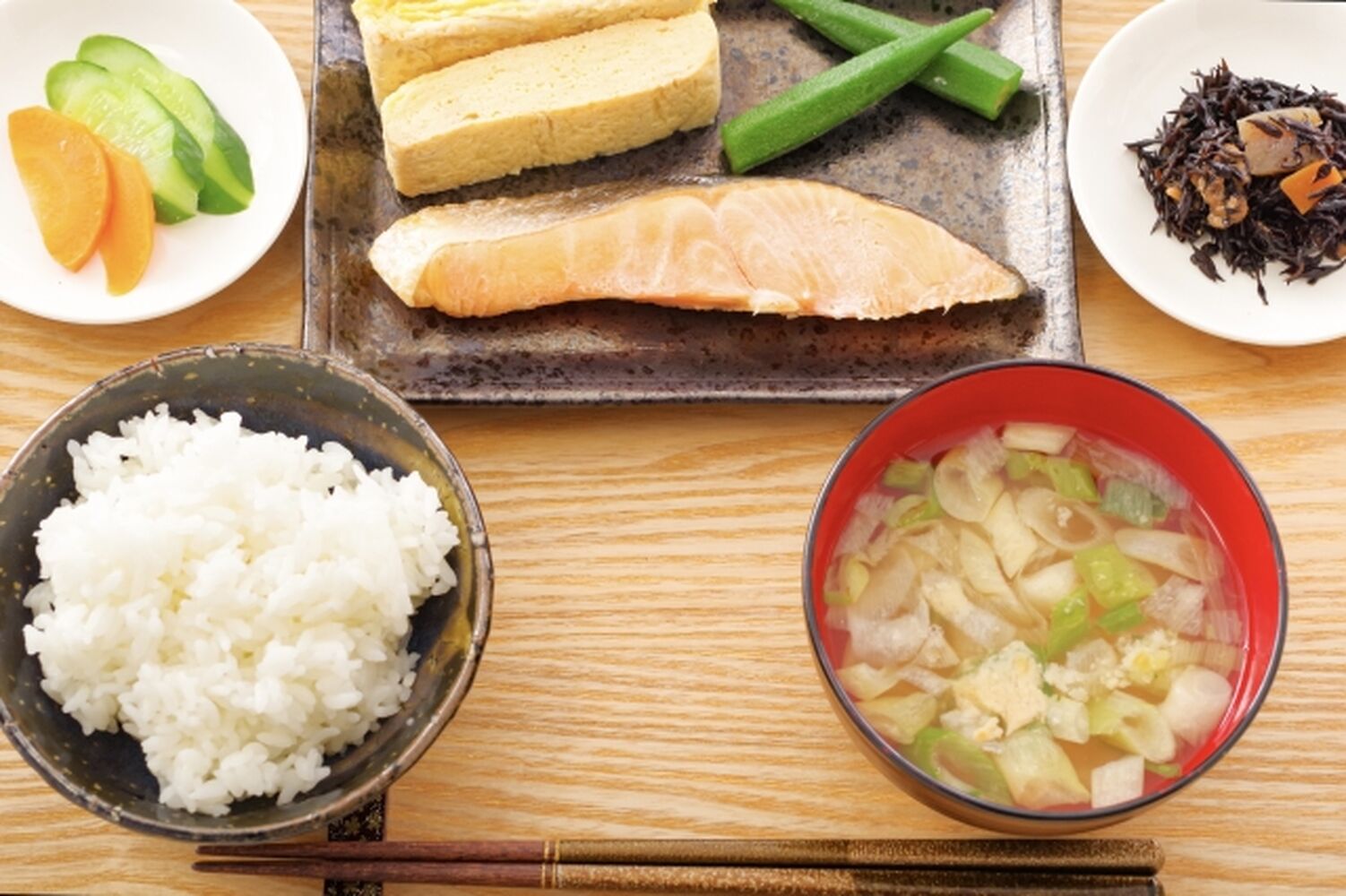
In this article, we will explain in detail the specific names and reasons for foods that are considered to be good for your health. We will pick out foods that are especially recommended for Japanese people, and also touch on their characteristics, the health benefits of consuming them, and the appropriate amounts and methods of consuming them. We hope that this article will be helpful for everyone who wants to live a healthier life.
table of contents
-
Basic knowledge of health foods
-
Health Food Classification
-
Tips for choosing health foods
-
-
Recommended health foods for Japanese people
-
Foods rich in dietary fiber
-
Calcium-rich foods
-
-
Diet to maintain health
-
Balanced diet
-
Daily calorie intake
-
-
Misconceptions and correct knowledge about health foods
-
Misconception: Health foods are not medicines
-
Correct knowledge: Health food supplements
-
-
How to take health foods
-
Proper intake method
-
Side effects and countermeasures
-
-
What to do with health foods
-
The Importance of Exercise
-
Getting the right information
-
-
The health food trap
-
Excessive advertising of health foods
-
Spotting misleading statements
-
-
Summary: How to choose and use health foods
-
Make good use of health foods
-
The use of health foods is not just a part of the problem
-
Basic knowledge of health foods
Health foods are foods that are consumed to maintain physical health and prevent disease. Here we will explain the basics.
Health Food Classification
Health foods are foods that are consumed to help maintain our health and prevent disease. The definition is broad, but it is generally understood to contain ingredients that are considered to be "healthy." Health foods are classified into several categories, and each category has its own characteristics and purposes.
First, let me explain about functional foods. These are foods that contain ingredients with specific functions and are allowed to display that the function is scientifically based. For example, there are many products that claim that a specific ingredient has the effect of improving the intestinal environment. Functional foods are helping people to choose foods that are good for their health.
Next, we will talk about foods for specified health uses, or FOSHU. These are foods that have been approved by the Ministry of Health, Labor and Welfare for their health benefits. FOSHU have been pre-screened to be expected to have certain health benefits, so consumers can feel safe with them. This category includes, for example, foods that are expected to lower blood pressure and foods that reduce cholesterol.
In addition, functional foods are also not to be overlooked. These are foods that contain a certain amount of nutrients such as vitamins and minerals, and are labeled as contributing to maintaining the health of the body. For example, calcium and vitamin D are known to be important components for maintaining bone health, and by choosing such foods, you can efficiently consume the nutrients you need.
Finally, when choosing these health foods, it is very important to choose one that suits your individual constitution and health condition. In particular, identifying the ingredients you need based on Japanese food culture and nutritional balance is the first step to living a healthy life. We hope that having correct knowledge about health foods and incorporating it into your life will help you maintain your health.
Tips for choosing health foods
When choosing health foods, it is important to consider several important points. In order to make the most of the various functions and effects that health foods offer, you need to choose foods that suit your own constitution and lifestyle. Here, we will explain in detail the points to consider when choosing health foods.
First of all, it is important to understand your own health condition. Everyone has different physical constitutions and nutritional conditions, so if you have a specific health problem or are concerned about nutritional deficiencies, you need to choose your food taking those conditions into account. For example, foods rich in dietary fiber and foods containing probiotics are effective for people who suffer from constipation, and foods containing calcium and vitamin D are recommended for people who are concerned about bone health.
Next, it is essential to check the ingredient label carefully. Some health foods clearly state the ingredients and nutrients, while others do not. Checking the ingredient label will help you determine what nutrients are included and whether their effects have been verified. Also, check whether the product contains any additives. As the trend towards no additives and natural ingredients is growing, you can use this as a reference when narrowing down your options.
In addition, it is important to choose a reliable manufacturer or brand. There are many products in the health food market that are influenced by advertising, so choosing a reliable product or one that has been tested by a third party can reduce concerns about safety and effectiveness. You can also get more information by referring to word of mouth and reviews.
In addition, you should also consider how to take it and the appropriate amount. Health foods have a recommended intake amount, so sticking to that amount will help them to be more effective. It is also important to incorporate it as part of your diet, and taking it in combination with a balanced diet rather than taking it alone is more effective in maintaining your health.
Finally, it is important to choose health foods that fit your lifestyle and preferences and that you can incorporate into your life without stress. Incorporating them into your daily routine will help you live a healthier life. Choosing health foods is an important step that you can start with what is close to you, so please use these points as a reference and make your choices with your own health in mind.
Recommended health foods for Japanese people
According to the National Health and Nutrition Survey, there are health problems caused by the dietary habits unique to Japanese people. Here we will introduce foods that can help solve these problems.
Foods rich in dietary fiber
Dietary fiber is one of the nutrients essential for maintaining our health. In particular, the dietary intake of dietary fiber is often insufficient in Japanese people, so it is important to consciously incorporate it into our diet. There are two main types of dietary fiber: soluble and insoluble, and each has different health benefits.
Soluble dietary fiber dissolves easily in water and has the property of forming a gel in the intestines. This property helps to slow the passage of food through the intestines and maintain a feeling of fullness. It is also expected to have the effect of suppressing the rise in blood sugar levels and lowering cholesterol. Typical foods that are rich in soluble dietary fiber include oatmeal, barley, and beans (especially white kidney beans and lentils). You can easily consume soluble dietary fiber by incorporating them into your breakfast or salads.
On the other hand, insoluble dietary fiber is difficult to dissolve in water, and increases the volume in the intestines, helping to smooth bowel movements. This type of dietary fiber promotes intestinal movement and is effective in preventing constipation. It is rich in whole grains, vegetables, fruits, and nuts. Vegetables such as burdock, carrots, and cabbage are particularly rich in dietary fiber, making them easy to incorporate into your daily menu.
Consciously consuming dietary fiber can also improve your intestinal environment. Dietary fiber plays an important role in increasing the number of good bacteria in the intestines. Good bacteria not only maintain balance in the intestines, but also contribute to improving your immune system. Therefore, choosing foods rich in dietary fiber can be expected to promote overall health.
The recommended daily intake of dietary fiber for adults is about 20 to 25 grams, and in order to achieve this goal, it is important to consciously incorporate foods that contain dietary fiber into your diet. You can naturally increase your intake by eating oatmeal for breakfast or making salads with lots of vegetables for lunch and dinner. Consciously incorporating foods rich in dietary fiber into your daily life will support a healthy lifestyle, so please try to actively adopt this approach.
Calcium-rich foods
Calcium is widely known as an essential nutrient for healthy bones and teeth. It also plays an essential role in nerve and muscle function in the body. Japanese people, in particular, tend to have insufficient calcium intake, so it is important to consciously incorporate calcium-rich foods into our diet.
Dairy products are a typical source of calcium. Milk, yogurt, cheese, etc. are rich in calcium and are well absorbed, so they are foods you should actively consume. Milk in particular provides about 200 milligrams of calcium in one glass (about 200 milliliters). Yogurt is also recommended for those who dislike dairy products, as it can be easily consumed as breakfast or a snack.
Fish is also a good source of calcium. Small fish and dried fish in particular can be eaten with the bones, allowing you to efficiently ingest calcium. For example, by incorporating small fish such as dried small sardines into your cooking, you can easily add calcium, so it is something you should try to incorporate into your daily meals.
Green leafy vegetables are also attracting attention as foods that contain calcium. For example, green leafy vegetables such as spinach, kale, and broccoli contain calcium. These vegetables are also rich in vitamins and minerals, making them an essential part of a healthy diet. However, the oxalic acid in spinach can sometimes interfere with calcium absorption, so it is important to think about how you cook it.
In addition, nuts and soy products are also recommended as foods for supplementing calcium. Soy products such as tofu and natto are particularly nutritious foods that contain high-quality protein in addition to calcium. Nuts such as almonds and walnuts can also be used as snacks that allow you to easily consume calcium.
Adequate calcium intake from daily meals is important for maintaining bone density and reducing the risk of future fractures. The recommended daily calcium intake for adults is about 650 milligrams, so it is important to keep this in mind when selecting ingredients and to aim for a balanced diet. To maintain healthy bones, be sure to consciously include foods rich in calcium in your diet.
Diet to maintain health
Not only the food you eat, but your entire diet affects your health. Here are some dietary habits to help you stay healthy.
Balanced diet
A balanced diet is the basis for maintaining good health. By consuming foods that contain many nutrients in a balanced manner, you can efficiently obtain the energy and nutrients your body needs. Here, we will explain the importance of a balanced diet and what it consists of.
First of all, it is important that a balanced diet contains the five major nutrients. The five major nutrients are carbohydrates, proteins, lipids, vitamins, and minerals. Each of these nutrients plays a different role and works together to support bodily functions. For example, carbohydrates are a source of energy, and proteins are components of muscles and cells. Lipids are not only an energy source, but also contribute to the formation of cell membranes and the synthesis of hormones.
Next, when composing meals, it is important to pay attention not only to the type of nutrients but also to the balance. Specifically, by combining a staple food, a main dish, and a side dish, you can take in a variety of nutrients. Staple foods should contain carbohydrates such as rice, bread, or pasta, while the main dish should contain a protein source such as meat, fish, or tofu, and the side dish should include vegetables and seaweed. In this way, by combining a variety of foods, you can supplement your nutrients.
Also, pay attention to the colors of your food. By incorporating colorful foods, you will naturally increase the chances of consuming a variety of nutrients. In particular, vegetables and fruits contain antioxidants, which are expected to remove active oxygen from the body. Colorful food is important not only for appearance, but also for maintaining health.
In addition, it is important to be aware of the appropriate intake amount. Excessive calorie intake or excessive intake of certain nutrients can have a negative effect on health. It is important to consume the appropriate amount according to your lifestyle and amount of exercise.
Overall, a well-balanced diet is the foundation for maintaining good health. Incorporating a variety of foods and being conscious of nutritional balance through your daily food choices is an important point for maintaining good health. It is important to enjoy your meals, but from a nutritional standpoint, it is also necessary to choose ingredients wisely.
Daily calorie intake
Daily calorie intake is a very important factor in maintaining good health. Understanding your energy needs and consuming the right amount of calories can help prevent a variety of health problems. Calorie needs vary based on age, sex, weight, height and activity level, so it is important to consider individual guidelines.
For adults, the general guideline for daily calorie intake is said to be about 2,500 kcal for men and about 2,000 kcal for women. However, this is only a general guideline and will vary depending on each individual's lifestyle. For example, people who exercise a lot or who work physically will need more calories. On the other hand, people who don't exercise much or who work at a desk will need to limit their calorie intake.
When considering calorie intake, it is important to pay attention to the type of food. It is healthier to avoid consuming a lot of high-calorie foods and choose nutritious, low-calorie foods. For example, vegetables, fruits, and whole grains are low in calories but rich in vitamins and minerals, making them good choices for supplementing the nutrients your body needs. Protein sources such as meat, fish, and tofu are also nutritious and easy to feel full from.
It is also recommended that you split your daily calorie intake across multiple meals. For example, you can balance your energy intake by having breakfast, lunch, dinner, and snacks between meals. However, it is important to choose healthy snacks between meals.
Finally, while managing your calorie intake can help you maintain your weight and improve your health, extreme dietary restrictions should be avoided. In order to maintain a healthy diet, it is important to be aware of appropriate calorie intake and to eat a nutritionally balanced diet. Determine the amount of intake that suits your own lifestyle, and enjoy your daily meals while maintaining your health.
Misconceptions and correct knowledge about health foods
There are many misconceptions about health foods. Here we will explain those misconceptions and provide correct information.
Misconception: Health foods are not medicines
One of the misconceptions about health foods is that "health foods are medicine." This misconception comes from the misconception that health foods that contain ingredients that are said to be good for your health have the effect of curing illnesses. However, health foods are just foods, and are different from medicines.
Health foods are intended to supplement the nutrients that are useful for maintaining physical health and preventing lifestyle-related diseases, but they cannot be expected to have a direct effect in treating illnesses. For example, consuming health foods that contain certain vitamins and minerals can help to improve nutritional balance, but this does not lead to the treatment of illnesses.
Pharmaceuticals contain ingredients whose efficacy has been recognized through rigorous screening and testing, and are prescribed to treat specific illnesses. On the other hand, there are many health foods whose effectiveness has not been scientifically proven, and they may make exaggerated claims about their effectiveness through advertising and marketing. For this reason, it is dangerous to be overconfident about their effectiveness.
Incorporating health foods into your diet can help support a healthy daily diet, but it is important to remember that they do not cure illnesses. If you have health problems, it is important to consult a specialist doctor. Health foods should only be consumed as an aid to maintaining health, and if you wish to improve your symptoms, you should prioritize receiving a correct diagnosis and treatment.
In this way, by understanding the difference between health foods and medicines and having the correct knowledge, you can make good use of health foods in your daily life. When thinking about health, eliminating misunderstandings and reviewing your diet based on correct information is a step toward promoting better health.
Correct knowledge: Health food supplements
Having the correct knowledge about health food supplements is essential to use them effectively. Recently, health foods are increasingly being sold as supplements that can be easily taken, but there are also some points that require caution.
First, supplements have the advantage of being easy to take because they provide specific nutrients in a concentrated form. Many people actually use them as a way to supplement the nutrients they need in their busy daily lives. However, relying solely on supplements also carries risks. Food ingredients themselves contain many nutrients other than vitamins and minerals, and the balance of these is important. The interactions of nutrients obtained through food ingredients and the health benefits of a variety of foods cannot be reproduced with supplements.
Furthermore, the risk of overdosing cannot be ignored. Taking too much of a particular nutrient from supplements can have adverse effects on your health. In particular, fat-soluble vitamins (such as vitamins A, D, E, and K) accumulate in the body, so there is concern about side effects from overdosing. For this reason, it is important to adhere to the recommended intake amount when using supplements.
The most effective way to maintain health is to get a balanced intake of nutrients from your diet. However, if you are lacking in necessary nutrients, it makes sense to use supplements as a supplement. It is advisable to consider using supplements by referring to public information and expert advice. With the right knowledge, you can make effective use of health foods and supplements and aim for better health.
How to take health foods
We will explain how to properly consume health foods.
Proper intake method
In order to take health foods effectively, it is important to understand the proper way to take them. First of all, in order to maximize the effects of health foods, it is essential to adhere to the recommended intake amount. Each product has different effects and required amounts, so it is important to carefully check the instructions on the package or instruction manual.
Furthermore, it is recommended that health foods be incorporated as part of a meal. Although it is often thought that taking them on an empty stomach is effective, in many cases, the absorption rate is improved by taking them with a meal. In particular, health foods containing fat-soluble vitamins are absorbed more smoothly into the body when taken with fat. Therefore, it is very effective to combine them as part of a main dish or side dish.
You should also consider the time of day you take it. For example, taking it in the morning when you need energy can help you get through the day. On the other hand, some nutrients can help you relax if taken before going to bed.
Finally, it is important to be flexible in reviewing your intake method according to your physical condition and lifestyle. The nutrients you need and the amount you take in will change depending on your daily diet, amount of exercise, and stress level. Therefore, listening to your body and incorporating health foods while determining the nutrients you need will lead to more effective health maintenance. By being aware of the correct intake method, you will be able to make the most of health foods and improve the quality of your daily life.
Side effects and countermeasures
While health foods can help maintain health if used correctly, they can also cause side effects such as overdose or allergic reactions to certain ingredients. It is important to understand these side effects and take appropriate measures.
First, as an example of a side effect, people who are sensitive to certain ingredients may have an allergic reaction when ingesting a health food. Particular care should be taken with products that contain herbs or certain fruit ingredients. When trying a new health food, it is recommended that you check whether it contains any ingredients that you are ingesting for the first time and start with a small amount to observe your physical condition.
Also, be careful not to consume too much. Taking in too much of a particular nutrient can put a strain on the kidneys or liver, or even harm your health. It is important to consume the ingredients contained in health foods in a certain balance, and supplements in particular can contain ingredients that have strong effects.
If you experience any side effects, it is important to immediately stop taking the dietary supplement and consult a doctor if necessary. It is also essential to maintain your health by always keeping track of your physical condition and taking action early, especially if you notice any abnormalities in your body.
By correctly understanding how to choose and take health foods and using them effectively, you can minimize the risk of side effects. Making the right choices with knowledge is the first step to supporting a healthy life.
What to do with health foods
We will explain what you should be careful about not only when taking health foods but also in your daily life.
The Importance of Exercise
Exercise is a very important factor in maintaining health. It is known that moving your body on a daily basis has a positive effect on both your mind and body. First of all, exercise is effective for weight management. Regular exercise burns calories and prevents fat accumulation, making it easier to maintain a healthy weight.
Exercise also promotes the health of the heart and blood vessels. Regular moderate exercise strengthens the heart muscles and improves blood circulation. This contributes to lowering blood pressure and preventing arteriosclerosis. Exercise also reduces stress and has a positive effect on mental health. Endorphins released during exercise bring about feelings of relaxation and happiness, improving mood.
Exercise also improves muscle strength and flexibility, and helps prevent injuries. As we age, muscle strength tends to decrease, so it is important to exercise regularly. This makes daily activities easier and improves the quality of life.
As such, unlike health foods, exercise is an important factor that has various effects on the entire body. By incorporating exercise into your daily life, you can achieve a healthier lifestyle and live a fulfilling life every day.
Getting the right information
Obtaining correct information about health is essential to effectively utilize health foods and exercise. Nowadays, a lot of information is available through the Internet and the media, but not all information is reliable. Therefore, it is important to choose the right information source.
First, to obtain reliable information, it is recommended to use information provided by experts and public institutions. Guidelines provided by nutritionists and doctors, and materials published by public institutions such as the Ministry of Health, Labor and Welfare are likely to provide high-quality information. Articles based on academic research and statistical data are also reliable sources of information.
In addition, when receiving information, it is important to compare multiple sources. By incorporating various perspectives and opinions rather than relying on one piece of information, you can gain a more balanced understanding. Health information in particular is constantly evolving, so it is important to take in the latest information.
Obtaining accurate information allows you to make appropriate decisions about your health, which leads to better health maintenance. It is important not to blindly accept information, but to make choices at your own risk and build a foundation for a healthy lifestyle.
The health food trap
Be aware that health foods can also contain misleading marketing tactics and exaggerated claims.
Excessive advertising of health foods
Many people should be careful about excessive advertising of health foods. Recently, various health foods have been on the market, and advertisements that exaggerate their effects are becoming more prominent. In particular, extreme claims such as "If you take this, you will definitely become healthy" can confuse consumers.
Excessive advertising not only creates unnecessary expectations for consumers, but can also make it difficult to choose products. There are also health foods that claim to have effects that are not based on scientific evidence, which can lead to disappointment when the product you purchased does not suit you.
Furthermore, health foods are merely supplementary, and there is a danger that they will lead to ignoring the foundations of a healthy diet and lifestyle. It is important to fully understand the effects and ingredients of each product without being influenced by excessive advertising. When making a selection, calmly gather information and choose what suits your own health condition, which will lead to maintaining your health. Arm yourself with the right knowledge and become a wise consumer.
Spotting misleading statements
It is very important to be able to spot misleading claims when choosing health foods. In particular, advertisements and packaging often use claims that exaggerate the effects of products. Be wary of strong claims such as "fast acting" or "resolves all symptoms." In fact, the effects may not be scientifically proven.
Furthermore, you should be extremely careful about the composition of ingredients. Phrases like "made with natural ingredients" are appealing, but whether they contain effective amounts is another matter. And if a company just says that "a certain ingredient is good" without showing any scientific data or research results, you should be skeptical about its credibility.
It is important not to be misled by misleading statements like this, but to calmly judge the contents of the product. By comparing multiple sources of information and choosing based on reliable knowledge, you will be able to make healthier choices.
Summary: How to choose and use health foods
This article summarizes what you learned about how to choose health foods, how to take them, and what to be careful about.
Make good use of health foods
In order to make good use of health foods, it is important to first understand your own health condition and lifestyle. By choosing foods that will supplement the nutrients you need based on that, you can effectively maintain your health. For example, if you tend to lack nutrients due to your busy schedule, incorporating supplements that are easy to take can be helpful.
Next, it is important to combine it with your meals. It is a good idea to incorporate health foods into your daily meals and maintain a balanced diet. Also, by maintaining the appropriate intake amount, you can avoid the adverse effects on your health caused by excessive intake.
Finally, when choosing health foods, it is important to base your choices on reliable information. By not relying too much on their effects and using them with the right knowledge, you can achieve a healthier lifestyle.
The use of health foods is not just a part of the problem
It is important to understand that the use of health foods is only one part of the solution to maintaining or improving your health. While health foods can certainly be a valuable tool for supplementing your nutrition and helping to address certain deficiencies, they are not a solution to all your health problems.
A balanced diet is essential to staying healthy. Eating fresh fruits and vegetables, whole grains and good quality protein will support your overall health. Along with exercise, getting enough rest and managing stress are also essential.
Health foods only play a supplementary role, and their effects are only fully realized when accompanied by regular living habits and a good environment. Incorporating health foods wisely as part of a healthy lifestyle is the key to achieving a rich life.
NEW
Why should you buy health foods online? A thorough explanation of the reasons and benefits.
query_builder 2026/07/13[Must-see!!] The hidden power of black garlic! A thorough explanation of S1PC's anti-aging effects.
query_builder 2026/06/18Black GarlicBlack GarlicBeautyBeautySurprising uses for sea buckthorn in the remote region of Mongolia! Discover its appeal as a health food
query_builder 2025/12/08Sea BuckthornSea BuckthorndietdietBeautyBeautyA health ally! A thorough comparison of the nutritional components of sea buckthorn juice!
query_builder 2025/10/27Sea BuckthornSea Buckthorn