The hardships of beekeepers and the characteristics of honey: What you need to know about the appeal of monofloral honey
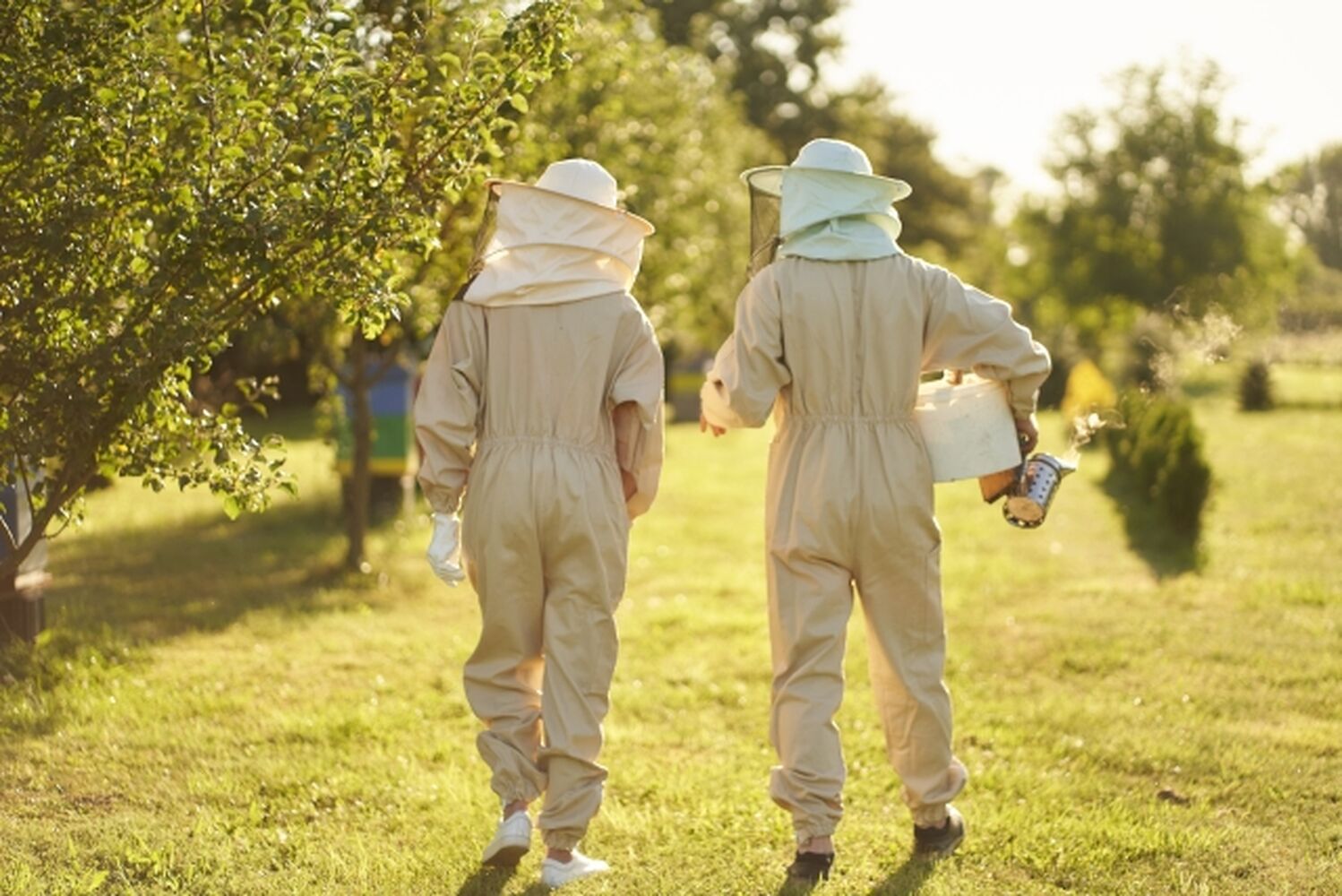
In recent years, honey has become more popular as a natural food amid an increase in health consciousness. Monofloral honey, in particular, has a unique flavor and aroma, and is the ultimate product packed with the labor and passion of beekeepers. In this article, we will delve deeper into the characteristics of monofloral honey and the struggles that beekeepers face on a daily basis. We will also touch on the role and characteristics of bees, and explore how this affects honey. By reading this, you will learn the background of how honey reaches your table, and be able to enjoy its flavor even more. We will also introduce ways to use honey in your daily life, helping you to enrich your honey life.
table of contents
-
Exploring the appeal of honey as a health food
-
Honey nutrients and health benefits
-
Natural sweeteners that are great for dieting
-
-
The appeal of monofloral honey and the efforts of beekeepers
-
Flavors and Properties of Monofloral Honey
-
The hardships and ingenuity of beekeepers
-
-
Characteristics of bees and their impact on honey
-
Bees and their contribution to the ecosystem
-
The relationship between bees and flowers
-
-
Testimonials: Advice from Beekeepers
-
How to Choose and Store Honey
-
Gentle on the skin and recommended recipes
-
-
Easy ways to incorporate honey into your daily life
-
Adding extra flavor to your dishes and drinks
-
Health maintenance initiatives
-
-
Honey production through local beekeeping
-
Unique flavours from local plants
-
The benefits of local production and consumption
-
-
The current status and future of the honey environment
-
Causes and effects of honeybee decline
-
Sustainable Beekeeping Initiatives
-
-
Summary: Deepening your understanding of honey
-
Points to consider when choosing honey
-
Honey for a healthier life
-
Exploring the appeal of honey as a health food
Honey has long been popular as a health food because of its rich nutritional value and efficacy. In recent years, it has been attracting attention as a natural sweetener. In the current boom in healthy food, honey is highly valued for its high nutritional value and versatility of use.
Honey nutrients and health benefits
Honey has long been popular as a health food. One of the reasons for this is the abundance of nutrients it contains. Honey contains many important ingredients for the body, such as vitamins, minerals, and antioxidants. For example, it contains B vitamins, vitamin C, potassium, calcium, magnesium, and other nutrients that are essential for maintaining physical and mental health.
Of particular note are its antioxidant properties. Honey contains components such as flavonoids and phenolic acids, which work to remove active oxygen from the body. Since active oxygen is believed to be the cause of aging and various diseases, foods with antioxidant properties are important for maintaining daily health. In addition, honey's antibacterial properties are said to help relieve sore throats and the initial symptoms of colds.
Honey is also an excellent food source for energy. Its main components are fructose and glucose, which are quickly converted into energy. Taking it before or during exercise can help relieve fatigue and improve endurance. It is particularly appealing for athletes as it can be used to easily replenish energy.
Recently, honey has also been increasingly used as a sweetener for dieters. Compared to sugar, honey raises blood sugar levels more slowly, so you can avoid sudden fluctuations in blood sugar levels. This means you can have a healthy diet without having to give up sweets. Another attractive feature is that adding a little honey to drinks and dishes can add a natural sweetness.
As you can see, honey is rich in nutrients and has a wide range of health benefits. By incorporating it into your daily life, you can say that it will naturally help you maintain your health. There are many ways to incorporate it into your daily life, such as spreading it on your morning toast, mixing it with yogurt, or adding it to tea. Honey, which can be easily enjoyed, is a powerful ally that supports our health.
Natural sweeteners that are great for dieting
Honey is a natural sweetener and an excellent choice to support dieting. It is particularly appealing because it is lower in calories than regular sugar and still gives you a sense of satisfaction. While dieting, you tend to refrain from eating sweet things, but by using honey, you can enjoy sweetness while reducing stress.
Honey contains fructose and glucose as its main components, which are quickly utilized as an energy source, and therefore efficiently replenish the energy required by the brain and body. Due to this characteristic, consuming a small amount before exercise contributes to improving athletic performance and maintaining endurance. It also helps to recover from fatigue after exercise, making it the perfect food for those aiming for a healthy diet.
Honey also has the characteristic of preventing sudden fluctuations in blood sugar levels after meals because it causes a gradual rise in blood sugar levels. This helps you feel fuller for longer and is expected to prevent overeating. By incorporating honey into your dishes and drinks, you can enjoy healthy meals while enhancing their sweetness.
For example, adding honey to yogurt or oatmeal for breakfast will add a rich flavor. Furthermore, mixing it into a smoothie will give it a natural sweetness along with the sweetness of the fruit, creating a highly satisfying dish. It is also effective as a secret ingredient in cooking, and adding a small amount to grilled fish or chicken dishes will add a mellow sweetness and a deep flavor.
The important thing about dieting is not to overdo it. By incorporating honey into your diet, you can enjoy sweetness in a natural way and feel satisfied both physically and mentally. With a little ingenuity, honey can add rich flavor to your daily meals while helping you live a healthy life, making it a reliable partner during your diet.
As you can see, honey is not just a sweetener, but it also offers a variety of benefits that are useful for dieting. It is important to incorporate it into your lifestyle in a way that suits you, and to aim for a healthy body while enjoying its sweetness.
The appeal of monofloral honey and the efforts of beekeepers
Monofloral honey is honey that is extracted from a specific flower, and the flavor varies greatly depending on the type of flower. However, beekeepers make various efforts and ingenuity to preserve this flavor.
Flavors and Properties of Monofloral Honey
Monofloral honey refers to honey collected from a specific type of flower. This honey strongly reflects the characteristics of the flower, and has a very unique flavor and aroma. For example, acacia honey collected from acacia flowers is very popular, characterized by its light, floral aroma. The moment you put it in your mouth, a slight sweetness spreads, and the floral aroma lingers, so it is said to be a good match for sweets and drinks.
Other monofloral honeys also have different characteristics. For example, sunflower honey made from sunflower flowers has a slightly rich taste and a fragrant flavor. On the other hand, honey made from chestnut flowers has a complex and slightly bitter aftertaste, and has a unique depth that is different from other honeys. In this way, monofloral honeys have different characteristics for each flower, making it fun to choose.
Quality monofloral honey also varies depending on the flowering time, region and climate. The combination of these factors creates a flavor unique to that place. For example, honey derived from flowers grown in a particular region reflects the soil and climate of that region and is a local specialty. This allows consumers to develop an affinity with certain monofloral honeys and helps them understand local culture.
Furthermore, monofloral honey has a unique color and is packaged in beautiful containers, making it a great gift. You can add it to sweets and drinks, or just take it straight to your mouth to enjoy the floral flavor. Monofloral honey is not just a sweetener, it offers a special experience in food culture.
As you can see, monofloral honey is rich in flavor and characteristics, and can be enjoyed in many different ways. If you are interested, we encourage you to try a few different types and experience the difference in their flavors. The deliciousness created by nature will surely add color to your everyday meals.
The hardships and ingenuity of beekeepers
Beekeepers work hard to improve the quality of monofloral honey. The first step is to create an environment in which bees can live healthily and comfortably. Bees are very delicate creatures, and if the breeding environment deteriorates, their immune systems weaken and they become more susceptible to disease. Beekeepers must constantly observe the condition of their hives and properly manage the humidity, temperature, and food conditions that bees need.
Furthermore, because the types of flowers change with the season, it is also important to position and move the hives so that they can collect nectar efficiently. In order to collect specific monofloral honey, it is necessary to move the hives to suitable locations at the time when the bees prefer specific flowers. This requires a thorough understanding of behavioral patterns and climatic conditions. For example, in order to collect acacia nectar at the time when acacia flowers are in full bloom, it is necessary to devise ways to position the hives early.
Beekeepers are also affected by weather and natural changes. Sudden changes in wind, rain, and temperature directly affect bee activity and nectar production. Therefore, beekeepers must carefully observe the weather and adjust their breeding methods and hive management appropriately if necessary.
In addition, measures to protect bees are also essential. In recent years, the effects of pesticides and environmental problems have increasingly affected the growth of bees. Beekeepers understand these issues and are taking measures to protect bee colonies as much as possible. For example, organic beekeeping methods that do not use chemicals are gradually gaining attention.
In this way, beekeepers go to great lengths and exert great effort to bring out the best in monofloral honey. It is thanks to their efforts that we are able to enjoy honey with its diverse flavors, and behind this lies symbiosis with nature. In your daily life, try tasting honey while feeling the thoughts and hardships of the beekeepers. A jar of honey filled with their passion will surely add color to your dinner table.
Characteristics of bees and their impact on honey
As pollinators, bees play an essential role in ecosystems, and their behaviour and characteristics have a major impact on the quality and type of honey we produce.
Bees and their contribution to the ecosystem
Honeybees play a very important role in the ecosystem, one of the most prominent being their role as pollinators. When bees collect nectar from flowers, they attach pollen to their bodies and carry it to other flowers. This process promotes pollination and helps plants reproduce. Many fruits and vegetables can grow thanks to pollination by bees, ensuring the crops that are essential to our diet.
For example, strawberries, apples, and almonds would be difficult to grow successfully without bee pollination. The presence of many of these plants enriches the entire ecosystem and benefits many animals. The presence of bees increases plant diversity, which in turn makes it easier for other animals, such as insects, birds, and mammals, to live. In this way, bees can be said to be essential creatures for maintaining balance in a circular ecosystem.
Bees also have a major impact on agriculture. Proper pollination increases crop yields and improves quality. This in turn increases agricultural productivity and stabilizes our food supply. Bees are especially important for small-scale farmers, helping them to bear fruit for their efforts.
What's more, bees' activeness has a positive impact on the environment. Their pollen distribution has a positive impact on soil life, including plankton and microorganisms. Their increased pollination leads to healthier plants and improved soil nutrition. So bees play a vital role in the ecosystem as a whole, beyond just producing honey.
As you can see, bees play a wide range of roles and have a profound impact on our lives, the natural environment, and food production. Valuing their existence and working to protect the environment is necessary to build a sustainable future. We hope you will come to understand the importance of bees and take an interest in activities to protect them.
The relationship between bees and flowers
The relationship between bees and flowers is very close and symbiotic. Bees get energy by collecting nectar from flowers, while flowers are helped to reproduce by bees being pollinated. This mutually beneficial relationship plays an important role in the plant ecosystem.
Bees visit certain flowers because of the nutritional value of their nectar and pollen. Nectar is their preferred source of energy, and pollen is rich in proteins, fats, and vitamins. In search of these nutrients, bees visit multiple flowers, collecting nectar and picking up pollen that they then carry to the next flower. This process promotes pollination, allowing plants to reproduce.
It is also known that bees have certain preferences. For example, they are particularly attracted to flowers such as acacias and sunflowers, and may visit them in groups. This allows a single bee to visit the same type of flower more efficiently for pollination. In this way, the types of flowers that bees prefer also affect the production of monofloral honey.
Meanwhile, flowers have also evolved to attract bees. Flowers have various characteristics that attract bees, such as beautiful colors, fragrances, and the quantity and quality of nectar. This allows the relationship between bees and flowers to continually evolve and prosper together. For example, when a particular flower secretes a lot of nectar, bees swarm around it, which increases the reproduction rate of that flower.
In this way, bees and flowers support each other and fulfill their own unique roles in the ecosystem. The types and quantities of flowers that bees collect vary depending on the environment and season, but their presence contributes to the reproduction of plants, thereby contributing to the formation of a rich natural environment. Understanding and protecting this valuable relationship will help support the ecosystem of the future. We hope that learning about the importance of this cooperative relationship will encourage people to think about the importance of bee conservation activities and environmental conservation.
Testimonials: Advice from Beekeepers
Beekeepers answer consumers' questions every day and provide them with the information they need. Here are some helpful tips based on those conversations.
How to Choose and Store Honey
When choosing honey, it is important to consider a few points. First, the color and aroma of honey have a great influence on its quality. The color varies depending on the type of flower, and light-colored honey generally has a light taste. On the other hand, dark-colored honey has a strong flavor. Choosing honey with a color that suits your taste will give you a satisfying choice.
Aroma is also an important factor to consider when choosing honey. Aroma reflects the type of flower and its freshness. Fresh honey has a fruity or floral scent, so we recommend checking the aroma when purchasing. It is also important to check the label carefully and choose pure honey or a product without additives. If you choose a product that is labeled "pure honey," you will have a higher chance of getting a high-quality product.
Next, regarding how to store honey, you can maintain its flavor and nutritional value for a long time by creating the right storage environment. Honey is sensitive to moisture and direct sunlight, so it is ideal to store it in a cool, dark place. It is also preferable to store it in an airtight container, and care should be taken to prevent it from coming into contact with air. This will prevent the honey from absorbing moisture, which can cause it to crystallize.
Crystallization does not affect the quality of honey, but some people may be concerned that it will lose its flavor. To return crystallized honey to a liquid state, you can use a water bath. Instead of heating it directly, you can immerse the container in warm water to slowly heat and melt the honey. This will allow you to enjoy the original flavor.
By keeping the above points in mind when selecting honey and storing it properly, you can maximize its deliciousness and health benefits. Knowing how to select and store honey will allow you to use it better in your daily life.
Gentle on the skin and recommended recipes
Honey has a wide range of gentle uses for the skin due to its excellent moisturizing and antibacterial properties. It is used in many skin care items, and there are also many recipes that you can easily make at home. By using honey, you can keep your skin beautiful in a natural way.
First, one of the recommended uses is a face mask using honey. If you are concerned about moisturizing your skin, we recommend a mask made by mixing honey and olive oil in a 1:1 ratio. Apply this to a clean face, leave it on for about 15 minutes, and then wash it off to feel a moisturized texture on your skin. Honey is rich in nutrients, so it prevents your skin from drying out and provides thorough moisture.
There is also a skin care method that combines honey and yogurt. Mix 1 tablespoon of honey with 2 tablespoons of plain yogurt, apply it to your face, leave it on for about 10 minutes, and then wash it off to brighten your skin. Yogurt, which contains lactic acid bacteria, helps the skin's barrier function, and combined with the moisturizing effects of honey, it leads to brighter, smoother skin.
For dry hands and elbows, we also recommend a cream that combines honey and shea butter. The antibacterial properties of honey and the nutrient density of shea butter create a synergistic effect. By massaging the mixture into the hands and elbows, it provides deep moisture and effectively prevents dryness.
As you can see, honey has a wide range of uses in skin care and can be easily enjoyed at home. Using honey, which is a natural ingredient and gentle on the skin, can help you achieve healthy and beautiful skin. Try these recipes and experience the wonderful benefits of honey for yourself.
Easy ways to incorporate honey into your daily life
Honey can be used not only in cooking and drinks, but also in beauty and health care. Learning about the various ways it can be used can help you enjoy a richer life.
Adding extra flavor to your dishes and drinks
Honey, with its natural sweetness and rich flavor, can be added to a variety of dishes and drinks. By adding a little ingenuity to your dishes, you can not only increase the flavor but also enjoy its health benefits, making it one of the ingredients you should incorporate into your daily routine.
First, as a way to incorporate honey into your breakfast, we recommend using it on toast or pancakes. If you spread butter on toast and drizzle honey on top, the sweetness and creaminess will match perfectly. Also, using honey instead of sugar on pancakes or French toast will greatly enhance the flavor. You can also combine it with fruit to add natural sweetness and nutrients.
You can also add a gentle sweetness to salad dressings by using honey. Mixing olive oil, vinegar, and honey to make your own dressing is perfect for fresh vegetables. The sourness of the honey in particular enhances the flavor and whets the appetite.
Honey is also very useful as a drink. For example, if you add it to hot black tea or herbal tea, you can enjoy its fragrant sweetness. Also, a drink made by mixing lemon and honey is popular because it is gentle on the throat and helps prevent colds. You can also add honey to cold drinks as a substitute for syrup to enjoy a refreshing taste.
In this way, adding honey to your food and drinks is an easy way to make them delicious and healthy. Try making different arrangements to suit your tastes. Incorporating honey into your daily diet will enrich your life.
Health maintenance initiatives
Honey is an excellent food that can be incorporated into your daily life to take advantage of its health benefits. In particular, there are ways to use honey effectively to support your health in your daily life.
First of all, we recommend incorporating it into your morning routine. Adding about a tablespoon of honey to a glass of warm water can help to regulate your body from the inside out. The antioxidants in honey help to remove active oxygen from the body and boost your immunity. Honey is also an excellent source of energy, so its effect of helping you wake up better in the morning cannot be overlooked.
Honey is also useful for people who exercise. Taking honey before or during exercise can instantly replenish energy and increase endurance. The role of honey as an energy supplement is particularly important when exercising or playing sports for long periods of time. For example, smoothies or energy bars mixed with honey can help you get the nutrients you need.
Also, if you have a cold or sore throat, honey can be a great natural remedy. A honey and lemon drink can hydrate and soothe your throat. Drinking it before bed can also help improve the quality of your sleep.
In this way, incorporating honey into your daily life can support your efforts to maintain good health. Enjoy the natural sweetness and health benefits of honey and enjoy a fulfilling life both physically and mentally.
Honey production through local beekeeping
The honey harvested in each region is influenced by the plants and environment unique to that area. Beekeeping that takes advantage of these characteristics is now attracting attention again.
Unique flavours from local plants
Honey from each region has its own unique flavor and aroma because it is obtained from plants that are unique to that area. When local plants are collected by bees, the blessings of nature produce a variety of flavors. For example, honey collected from wild flowers and fruit tree flowers strongly reflects the influence of the climate and soil of the region, allowing you to enjoy a flavor that cannot be found in other regions.
For example, honey made from cherry blossoms has a light, fruity taste that brings to mind the arrival of spring. Also, honey made from sunflowers has a slightly bitter aftertaste and is highly valued as a secret ingredient in cooking. In this way, the flowers of different plants in each region are food sources for bees, which is what creates their unique flavors.
Furthermore, beekeeping that takes advantage of the characteristics of the region can sometimes develop its own brand. For example, honey made from plants that only grow in a particular region is gaining attention as a symbol of the culture and climate of that area. In this way, understanding and incorporating the characteristics of local plants can further enhance the appeal of honey.
Enjoying locally produced honey while experiencing the uniqueness of the region can enrich our food culture. Tasting honey as a local specialty is also a great opportunity to rediscover the nature and culture of the region.
The benefits of local production and consumption
The idea of local production and consumption promotes the consumption of food produced locally within the region. This local production and consumption also brings many benefits to honey. First of all, honey produced locally can maximize the flavor and nutritional value unique to the region. Honey harvested from local flowers is fresh and tasty, making it attractive to consumers.
Local production and consumption also contributes to the revitalization of the local economy. By purchasing directly from local beekeepers, the profits are returned to the local area, leading to the development of local industry. It also leads to the creation of local jobs, which benefits the entire region. In addition, since the transportation distance is short, the burden on the environment is reduced. Consuming locally produced products reduces food miles, which is a step towards a sustainable society.
Furthermore, tasting honey unique to a region is also an opportunity to deepen understanding of the region's food culture. Through the ingredients beloved by the local people, we can feel the local climate and traditions. In this way, local production for local consumption is an initiative that makes use of the characteristics of the region and brings great benefits in terms of the environment, economy, and culture. By enjoying local honey, we can feel that we ourselves are contributing to the community.
The current status and future of the honey environment
The environmental issues surrounding honeybees and their impact on beekeeping are serious, so efforts are being made to promote sustainable beekeeping and environmental conservation for the future.
Causes and effects of honeybee decline
The decline in honeybee populations has become a serious problem in recent years. The main causes are diverse, including environmental changes, the use of pesticides, and the spread of disease. Some pesticides are particularly toxic to honeybees, which has a serious impact on their health. In addition, the decline in natural environments due to urbanization is also taking away honeybees' habitats and reducing the supply of flowers necessary for their growth.
The decline in honeybees also has a direct impact on our diet. Because bees are responsible for pollinating fruits and vegetables, a decline in their numbers will lead to reduced crop yields and will affect our food supply. If this situation continues, there are concerns that food shortages and price hikes will occur, and the balance of the entire ecosystem may be disrupted.
As such, the decline in honeybees is a problem that has a major impact on our daily lives, and future efforts are required. Each and every one of us needs to raise our awareness of how to protect honeybees.
Sustainable Beekeeping Initiatives
Sustainable beekeeping is an important measure to halt the decline of honeybees. First, it is necessary to choose environmentally friendly agricultural methods. Reducing the use of chemical pesticides and using natural pest control and fertilizers will help protect the health of honeybees. In addition, planting flowers and protecting their habitats is important in areas where honeybees grow. Planting a variety of plants increases the nectar sources that honeybees need, supporting their activities.
Furthermore, by working together and sharing knowledge and techniques, local beekeepers are making progress in their efforts to realize sustainable beekeeping. This will improve the quality and production efficiency of beekeeping, and make it possible to build a system in which bees and the environment can coexist. It is hoped that through these efforts, we can protect bees and build a future that protects our food habits and ecosystems.
Summary: Deepening your understanding of honey
I hope this article has given you an insight into the deep world of honey and the efforts of beekeepers. I hope it will be useful for you to consider when choosing honey and to maintain a balance in your daily life.
Points to consider when choosing honey
When choosing honey, there are a few things to keep in mind to ensure you get high-quality honey. First, check the label and choose one that clearly states "pure honey." This will ensure you get natural honey with fewer additives and processing.
Next, the color and aroma of honey are also important factors. The color varies depending on the type of flower, and affects the flavor. Light-colored honey is generally more reassuring, but darker honey has a stronger flavor. The aroma can also be used to check the freshness and distinctive flavor. Finally, by choosing locally produced honey, you can enjoy the unique characteristics of the region while also supporting beekeepers. Keep these points in mind as you find the honey that's right for you.
Honey for a healthier life
Incorporating honey into your daily life can help you live a healthier life. Adding natural sweetness to your daily meals is effective in maintaining your health. Adding honey to toast or yogurt for breakfast can be a delicious way to replenish your nutrients. Honey is also easy to digest and a great source of energy, so it can be useful as support before and after exercise.
In addition, honey has antioxidant and antibacterial properties, making it suitable for preventing colds and caring for your throat. Mixing it into a hot drink can also have a relaxing effect. Through these uses, honey is a wonderful ingredient that supports our healthy lifestyle. Let's incorporate it into our daily lives and enjoy a life that satisfies both our mind and body.
NEW
Why should you buy health foods online? A thorough explanation of the reasons and benefits.
query_builder 2026/07/13[Must-see!!] The hidden power of black garlic! A thorough explanation of S1PC's anti-aging effects.
query_builder 2026/06/18Black GarlicBlack GarlicBeautyBeautySurprising uses for sea buckthorn in the remote region of Mongolia! Discover its appeal as a health food
query_builder 2025/12/08Sea BuckthornSea BuckthorndietdietBeautyBeautyA health ally! A thorough comparison of the nutritional components of sea buckthorn juice!
query_builder 2025/10/27Sea BuckthornSea Buckthorn