The relationship between pet food and health foods: What you need to know for your precious family members
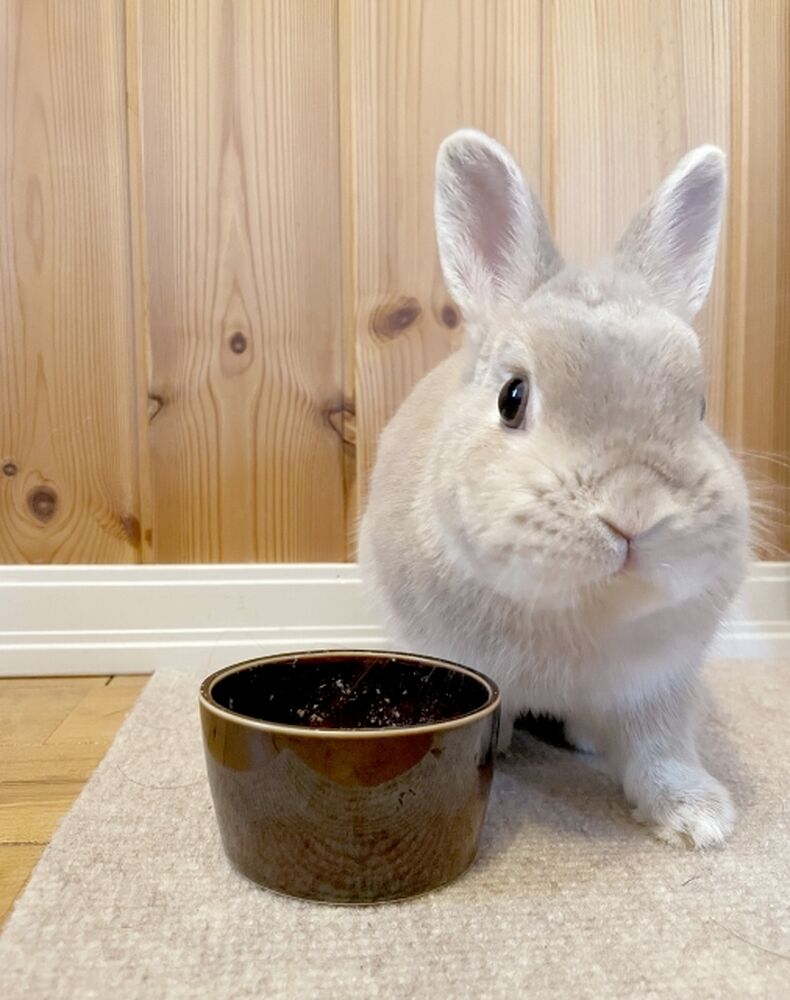
Pet food is important for maintaining the health of our precious family members, our pets. It is manufactured under different laws and regulations than general food, and its ingredients and composition are unique. In this article, we will delve deeper into the relationship between pet food and health food, and give you tips on choosing food that will have a positive effect on your pet's health. We will also explain in detail how to choose additive-free or domestically produced foods for pets, the role of supplements, how to make good purchases by taking advantage of campaigns, and the questions and consultations that pet owners face. Take this opportunity to check out the essential information you need to know about your pet's health.
table of contents
-
Basic knowledge of pet food and health foods
-
Differences between pet food and regular food
-
Pet food as a health food
-
-
Food choices that contribute to your pet's health
-
Recommendations for additive-free pet food
-
Which is better: domestic or imported?
-
-
Effects and Uses of Pet Supplements
-
Pet Supplement Basics
-
How to choose an effective supplement
-
-
Pet owners' concerns when choosing pet food
-
Pet food choices mistakes
-
Frequently asked questions from pet owners
-
-
Pet food made with love and the environment
-
eco friendly pet food
-
Towards a sustainable future
-
-
Steps to finding the best pet food
-
Setting evaluation criteria
-
The importance of trying
-
-
Pet food market trends and future
-
Latest Pet Food Trends
-
The future of pet food
-
-
How to take advantage of campaigns when purchasing pet food
-
How to use campaigns wisely
-
Use coupons to save money
-
Basic knowledge of pet food and health foods
Pet food and health food may look similar at first glance, but they are completely different. Just like human diets, it is important for pets to get the right nutrition. Here we will explain the basics about the difference between pet food and health food, and their roles.
Differences between pet food and regular food
The difference between pet food and general food is very clear in the laws regarding production and sales, as well as in its ingredients and purpose. First of all, pet food is produced based on specific laws and regulations and is not subject to the Food Sanitation Act, JAS Act, or Health Promotion Act, so it is classified into a different category from general food. For this reason, the ingredients of pet food must be specially formulated to maintain the health of pets.
Specifically, there are two types of pet food: "complete nutrition" and "general food," each of which has a different role. Complete nutrition is designed so that pets can maintain a healthy diet with just this food and water. On the other hand, general food is primarily considered a snack or treat, and does not provide all the necessary nutrients. Understanding this difference directly relates to choosing the right food for your pet.
In addition, pet food contains many ingredients that take into consideration the taste and digestive ability of animals. For example, many pet foods are based on meat, fish, or grains, and are formulated to efficiently supplement the nutrients that pets should naturally consume. Unlike general human foods, pet foods are made in a form that is suitable for pets' bodies, so it is important for pet owners to pay particular attention to the ingredient label when choosing pet food.
In addition, quality control during the manufacturing process of pet food is also important. Thorough selection of ingredients and management during the manufacturing process are essential elements for protecting the health of pets. Many pet owners may be worried about what kind of food to choose for their pets, but by fully understanding the difference between pet food and general food, you can make a better choice.
In order for pets to live healthy and happy lives, it is important for owners to fully support their pets in their choices. Understanding the characteristics of pet food and choosing the right product will further deepen the bond with your pet.
Pet food as a health food
Pet food does not just provide food, but also plays a role as health food. The food that owners give to their pets directly affects their health and quality of life, so choosing the right food is very important. Pet food contains a variety of nutrients and ingredients that aim for specific health benefits, which are intended to support the health of pets.
First of all, pet food must have balanced nutritional value. For example, it must contain basic nutrients such as protein, fat, vitamins, and minerals to ensure that pets can efficiently consume the energy they need. Nutritional imbalance can cause health problems, so it is important to choose food that is appropriate for your pet.
There are also many pet foods available that cater to specific health conditions. Products have been developed to suit your pet's needs, whether that be foods for allergies, digestive issues, or to support joint health. For example, foods containing omega-3 fatty acids may support healthy skin and coat, and certain ingredients may also help reduce allergic reactions.
Furthermore, additive-free and organic pet foods have been gaining attention recently. These products do not use chemical additives and emphasize natural ingredients, making them a choice that takes pet health into greater consideration. By choosing additive-free pet food, you can take grain allergies into consideration and provide a diet that is easy on the digestive system.
A healthy diet not only keeps your beloved pet healthy, but also contributes to their mental well-being. Considering the taste and texture your pet prefers will make mealtimes something to look forward to. When choosing pet food, it is important to provide a meal that your pet will enjoy, not just one that is nutritious.
In this way, pet food goes beyond being just a meal and has many aspects as a health food. When choosing food for your pet, owners need to fully understand the nutritional value and health benefits and make wise choices to protect their pet's health. Food chosen with care will help to enrich the health of your pet.
Food choices that contribute to your pet's health
Choosing the right food is essential to keeping your pet healthy. It's important to understand not only how to choose additive-free or domestically produced pet food, but also what you should pay attention to. Let's take a closer look at these points.
Recommendations for additive-free pet food
Additive-free pet food has been gaining attention from many pet owners in recent years. When considering the health of your pet, the content of their diet is very important. Therefore, it is important to be aware of what is contained in their food, especially the presence of additives. Additive-free pet food uses natural ingredients and does not contain chemical additives, making it an option that supports the health of your pet.
First, let's consider how additives affect pets' bodies. Many commercially available pet foods contain preservatives, colorings, and flavorings. These ingredients are added to improve the appearance and taste of the food, but they can cause indigestion or allergic reactions in some pets. Therefore, owners can reduce health risks for their pets by choosing additive-free food.
Another benefit of additive-free pet food is the transparency of ingredients. The product clearly states what is in it, so owners can feed it to their pets with peace of mind. Especially for pets who are suspected of having allergies, knowing the ingredients clearly gives them peace of mind when making their selection.
Additive-free pet food often uses high-quality ingredients such as meat, fish, grains, and vegetables, and is characterized by its high nutritional value. This allows pets to efficiently consume the nutrients they need, and is expected to lead healthier lives. In addition, food made from natural ingredients is easily digested and absorbed, making it a good choice for pets with gastrointestinal problems.
In addition, the number of additive-free pet food brands has increased recently, and there are many different types available. This makes it easier for pet owners to choose food that suits their pet's preferences and health condition. Finding a taste and texture that your pet likes will allow them to enjoy their daily meals, and you will be able to feed your pet with peace of mind.
There is no doubt that choosing additive-free pet food will contribute to maintaining your pet's health and improving its quality of life. Make better food choices for your beloved pet.
Which is better: domestic or imported?
When choosing pet food, many pet owners have the question of whether domestic or imported products are better. Each option has different advantages and disadvantages, so it is important to think carefully.
One of the attractions of domestically produced pet food is the traceability of the ingredients. In many cases, domestically produced food is manufactured according to strict domestic standards, and the ingredients used are often safe to use. In addition, because ingredients suitable for Japan's climate and environment are used, the nutritional design is generally designed with pet health in mind. For this reason, domestically produced food may be more suitable for pets with sensitive constitutions.
On the other hand, there are many benefits to importing. In particular, because a wide variety of ingredients and components from around the world are available, you can often get foods that are rich in flavor and nutrition. In addition, some imported brands have particularly strict quality standards and are internationally recognized. This allows you to choose unique foods, which has the advantage of allowing your pet to enjoy their meals without getting bored.
Furthermore, there are differences in price between domestic and imported products. Generally, products manufactured in Japan can be somewhat more expensive than imported products due to manufacturing and distribution costs. However, by choosing high-quality imported products, you can keep costs down and still have a variety of options.
When choosing between domestic and imported products, it is important to consider various factors such as your pet's health condition, food preferences, allergies, digestive ability, etc. Both have their pros and cons, so it is difficult to say which is better, but it is important for pet owners to gather information thoroughly and determine what is best for their pet.
Ultimately, it's important to find and try foods that suit your pet's individual characteristics, and strive to make the best choices for your pet's health through their daily diet.
Effects and Uses of Pet Supplements
When considering the health of your pet, not only food but also the use of supplements is one option. Knowing how to choose and use supplements will contribute to improving the quality of your pet's life.
Pet Supplement Basics
Pet supplements are important supplements to support the health of pets. They provide nutrients that pet food alone cannot provide, and are used for various health conditions and specific needs. First, we will explain the basic role and types of pet supplements.
Pet supplements are primarily used to supplement the nutrients necessary for pets to maintain their health, such as vitamins, minerals, amino acids, and fatty acids. A lack of these nutrients can lead to stunted growth, weakened immunity, and even increased risk of disease. For older pets or pets with certain diseases, the use of supplements is recommended as an efficient way to provide the necessary nutrients.
There are many different types of supplements, including glucosamine and chondroitin that support joint and bone health, omega-3 fatty acids that promote healthy skin and coat, and probiotics that aid digestion. Each ingredient has a different health effect, so the appeal is that you can choose the one that best suits your pet's condition.
It is important to seek the advice of your veterinarian when using supplements. Choosing the right supplement for your pet requires consideration of their age, weight and existing health conditions. It is also important to ensure proper dosage, as overdosing can be harmful to their health.
Additionally, you should also pay attention to the quality of the supplements. By choosing products from trusted brands, you can give them to your pet with peace of mind. Be sure to check the ingredients and manufacturing process, and choose a high-quality supplement.
In order to maintain your pet's health, it is important to not only feed it food, but also to use supplements. Providing proper nutrition will help improve your pet's quality of life. It is well worth considering using supplements for your beloved pet.
How to choose an effective supplement
In order to choose an effective pet supplement, it is important to consider a few points. The first place to start is to understand your pet's health and nutritional needs. For example, an older pet concerned about joint health may need a supplement containing glucosamine and chondroitin. On the other hand, a pet with digestive issues may be better off with a probiotic. With this information, you can choose the right supplement for your pet.
Next, it is important to choose a reliable product. Pet supplements are sold by various brands, but not all of them are of the same quality. By choosing products that are recommended by veterinarians and experts, or that have a high rating from consumers, you can give them to your pet with peace of mind. It is also important to check the product's ingredient label to see if the desired nutrients are clearly indicated.
Additionally, pay attention to the form of the supplement. There are various forms such as powder, capsules, and liquid, and it is effective to choose one that is easy for your pet to ingest. Some pets prefer solid supplements, while others prefer liquid form. Choosing a form that suits your pet's preferences and constitution will make daily intake smoother.
You should also pay attention to the amount and frequency of supplement intake. Adhering to the proper dosage is essential to ensure safety. Follow your veterinarian's instructions and be sure to take the correct amount based on your pet's age and weight.
Finally, in order to realize the effects of supplements, it is important to have a long-term perspective. Rather than expecting immediate results, giving supplements continuously will help support your pet's health. Choose the right supplements for your beloved pet and get into the habit of supporting their health.
Pet owners' concerns when choosing pet food
For pet owners, choosing pet food is not an easy task. With so many options available, you may be unsure of how to choose. Here, we will provide you with some tips on choosing pet food based on the concerns and questions pet owners have.
Pet food choices mistakes
Choosing pet food can be fun, but sometimes it can be a mistake. Here are some stories of pet owners' mistakes that you can learn from.
First, let's take an example of a pet owner's mistake with the food he chose. The owner fed his dog pet food that he had bought based on advertisements and word of mouth, but after a few days, his dog started having diarrhea. Upon investigation, he found that the food contained ingredients that were allergens to his dog. To avoid this kind of situation, it is important to carefully check the ingredient label on the food. In particular, taking into consideration your pet's health condition and allergy information in advance will help you make a safer choice.
Another pet owner said that he was tempted by the low price of an imported food product, but ended up buying one that turned out to be of poor quality. There was no detailed information about the ingredients, and when he gave it to his pet, it made him sick. He said that this experience made him realize the importance of choosing a trustworthy brand or manufacturer. It is essential to focus on quality and not be fooled by price in order to protect your pet's health.
Another example of a failure that cannot be overlooked is indigestion caused by suddenly changing food. One owner thought that their cat would get bored, so they switched to a new food, but the unfamiliar ingredients made the cat sick. It is best to change pet food gradually, and sudden changes should be avoided.
What we can learn from these failures is that choosing pet food requires careful consideration. By carefully gathering information and choosing the right food for your beloved pet, you can help them stay healthy and live a better life. Let's use the lessons we learned from our failures to improve our choices in the future.
Frequently asked questions from pet owners
Pet owners have a wide range of common questions about pet food. Here we list and answer some of the most common questions.
First, one of the most common questions is, "Which pet food is best?" There are many types of pet food, and the right answer depends on your pet's individual needs. It is important to consider your dog or cat's age, health condition, whether they have any allergies, and to carefully check the ingredient label. You can also consult with your veterinarian to help you find a more suitable food.
Another question we are often asked is, "How should I switch pet food?" When changing pet food, it is usually recommended to mix the new food in gradually, rather than switching suddenly. For the first few days, start with a ratio of old food to new food of about 8:2, and gradually increase the amount of new food, which will help your pet digest it more smoothly.
We also receive many questions such as, "Is additive-free pet food really safe?" Additive-free pet food generally does not contain any chemical ingredients, so many pet owners feel safe using it. However, even if the food is additive-free, the quality of the ingredients and the nutritional balance are important, so it is important to choose a reliable brand.
Another question is, "Are supplements necessary?" Supplements are effective when pet food does not provide sufficient nutrition or when your pet has certain health problems. However, if your pet can get the necessary nutrients from its food, supplements are not necessarily necessary. Consult with your veterinarian and make a choice based on your pet's health condition.
These questions are important when thinking about your pet's health, and it's up to pet owners to arm themselves with information and make the best choices for their beloved pets.
Pet food made with love and the environment
When choosing pet food, it is important to consider environmentally friendly options. Here we will discuss how to choose environmentally friendly pet food and the background behind it.
eco friendly pet food
Eco-friendly pet food has been gaining attention from many pet owners in recent years as an environmentally conscious option. There is a growing trend to emphasize the sustainability of the pet food manufacturing process and the procurement of raw materials, so it is important for pet owners to consider not only the health of their pets, but also the impact on the environment.
Eco-friendly pet food primarily uses organic or additive-free ingredients, and uses agricultural products grown without chemical fertilizers or pesticides. This not only ensures that what your pet eats is natural and safe, but also reduces the burden on land and water resources. In addition, meat and fish are selected from those raised in a sustainable manner, so animal welfare is also taken into consideration.
More and more brands are incorporating more environmentally friendly practices into their production, for example by using renewable energy for production and using recycled materials in packaging to reduce waste, making pet food a green choice.
Furthermore, by choosing eco-friendly pet food you are spreading awareness towards a sustainable future. By reassessing your own choices and choosing environmentally friendly products, you can influence many people and help to protect the global environment.
Protecting the global environment together with your beloved pets is an important responsibility for pet owners. By considering eco-friendly options, you will not only protect your pet's health, but also take a step towards leaving a beautiful earth for future generations.
Towards a sustainable future
In order to aim for a sustainable future, it is essential that the pet food industry also considers the environment. In recent years, the development of products that emphasize sustainability has progressed, and pet owners are increasingly becoming aware of the impact their choices have on the global environment.
Specifically, pet food that uses plant-based ingredients as an alternative to animal protein is attracting attention. This makes it possible to reduce resource consumption and greenhouse gas emissions associated with meat production. For example, pet food that uses beans and grains is expected to be a sustainable option.
Additionally, more and more brands are using recyclable packaging and introducing technologies to reduce the environmental impact of their manufacturing processes. For example, more factories are using renewable energy to produce their products, which reduces carbon emissions and makes production more environmentally friendly.
By making sustainable choices, pet owners can have a positive impact on the entire pet food market. Increased consumer awareness motivates companies to develop more sustainable products, which is important not only for the health of pets, but also for the future of the entire planet.
What each of us can do to work towards a sustainable future is to be conscious and make eco-friendly choices, even if it's just a little at a time. To achieve a sustainable life with your pet, it's a good idea to start by reviewing your own diet and lifestyle in general. Collectively, these efforts will help build a better future.
Steps to finding the best pet food
There are several steps to finding the best pet food. We will introduce the steps according to your pet's health condition and help you find the right food for your pet.
Setting evaluation criteria
When choosing pet food, it is very important to set evaluation criteria. The first thing to consider is your pet's health condition. If your pet has specific allergies or is elderly, special attention must be paid to ingredients and nutritional balance. It is essential to clarify these health needs and choose a food that matches them.
Next, it is important to check the ingredient label. Check what is included in the ingredients, especially whether there are any additives or preservatives. Foods without additives or products that use high-quality ingredients are reliable choices for your pet's health.
In addition, the reliability of the manufacturer and the product reviews should also be added to the evaluation criteria. Foods with good reputations and recommendations from experts are one of the factors that you can feed with confidence. It is also important to take into account the nutritional value of the product and data-based evaluations and make a comprehensive judgment.
Setting these evaluation criteria will help you make smart food choices to protect your pet's health. Make sure you have a solid set of criteria to help you make the best choice for your beloved pet.
The importance of trying
When choosing pet food, it is very important to actually try it out. No matter how good the ingredients or brand are, each pet has different preferences and digestive abilities, so it is necessary to check how the pet actually eats the food and how well it feels.
First, we recommend starting with small amounts when trying any new food. Gradually mix the new food with your pet's existing food to ease the digestive strain and allow them to get used to it. Through this process, you can observe their reaction and check for any preferences or allergic reactions.
Your pet's health is also an important point. If you try a new food and your pet shows signs of indigestion, such as diarrhea or vomiting, you should stop feeding it immediately and consider a different food. Your pet's health should be your top priority, and you should respect your pet's reaction rather than forcing them to eat.
Plus, trying different types of food can help balance your pet's diet, introducing new flavors and nutrients every once in a while to help keep them healthy.
Trying things out will help you choose the best food for your pet, so take your time and be prepared to make a careful choice for your beloved pet.
Pet food market trends and future
The pet food market is constantly evolving, with new trends and technologies being introduced. Learn about the latest market trends and what the future holds for pet food.
Latest Pet Food Trends
There have been a few notable trends in the pet food market recently. First, there is an increasing demand for functional foods due to growing health consciousness. These foods often contain ingredients that aid digestion or boost immunity, and are especially popular among owners of older pets.
In addition, additive-free and organic pet food is also rapidly spreading. By using natural ingredients and avoiding chemical additives, it meets the needs of pet owners who want to protect their pets' health. This trend is linked to the growing awareness of environmental protection and animal welfare.
In addition, plant-based pet food is also gaining attention. Food made from non-meat, plant-based ingredients is favored by many pet owners as an environmentally friendly option. By adopting this new trend, you can provide your pet with a diet that is both healthy and environmentally friendly.
The future of pet food
It is expected that the future of pet food will move in a more health-conscious and environmentally friendly direction. In particular, the demand for food with excellent nutritional balance will increase in order to maintain pet health and prevent disease. As the number of foods that incorporate functional ingredients and supplements increases, owners will be able to easily provide their pets with optimal nutrition.
Furthermore, the development of products with an emphasis on sustainability will also progress. Recyclable packaging and manufacturing processes using renewable energy will become more common, reducing the burden on the environment. Also, the adoption of production methods that take animal welfare into consideration will ensure that pets receive safe, high-quality food.
In response to these changes, the pet food industry will continue to evolve, and there will be more products that pet owners can choose with confidence. It will become increasingly important to make choices that protect the health of our beloved pets and the environment.
How to take advantage of campaigns when purchasing pet food
You want to buy pet food wisely. We will explain how to make the most of campaigns and coupons to help you save money and help you enjoy a fun pet life.
How to use campaigns wisely
Taking advantage of promotions wisely when buying pet food is a good way to reduce the financial burden. First, regularly check product sales information, especially for new products and seasonal changes, where there are many promotions. In addition, you can make even better purchases by taking advantage of accumulated points and membership benefits.
You can also sign up for our social media accounts and email newsletters to receive the latest promotions and coupons. You can also share with friends and family to take advantage of group discounts. By using promotions wisely, you can save money while still providing high-quality food for your beloved pets.
Use coupons to save money
Coupons can help you save even more when buying pet food. First, it's important to regularly check online stores and pet store websites for coupon codes and discounts. These coupons are often offered on specific products or for a limited time, and using them wisely can result in big savings.
Also, by registering for an app or membership program, you may be able to receive special coupons and point-back benefits, so be sure to take advantage of them. In addition, by following the brand on social media, you may receive limited coupons. Use coupons wisely to buy high-quality food for your pet at a great price.
NEW
Why should you buy health foods online? A thorough explanation of the reasons and benefits.
query_builder 2026/07/13[Must-see!!] The hidden power of black garlic! A thorough explanation of S1PC's anti-aging effects.
query_builder 2026/06/18Black GarlicBlack GarlicBeautyBeautySurprising uses for sea buckthorn in the remote region of Mongolia! Discover its appeal as a health food
query_builder 2025/12/08Sea BuckthornSea BuckthorndietdietBeautyBeautyA health ally! A thorough comparison of the nutritional components of sea buckthorn juice!
query_builder 2025/10/27Sea BuckthornSea Buckthorn