Honey and allergies: things to know and safe alternative sweeteners
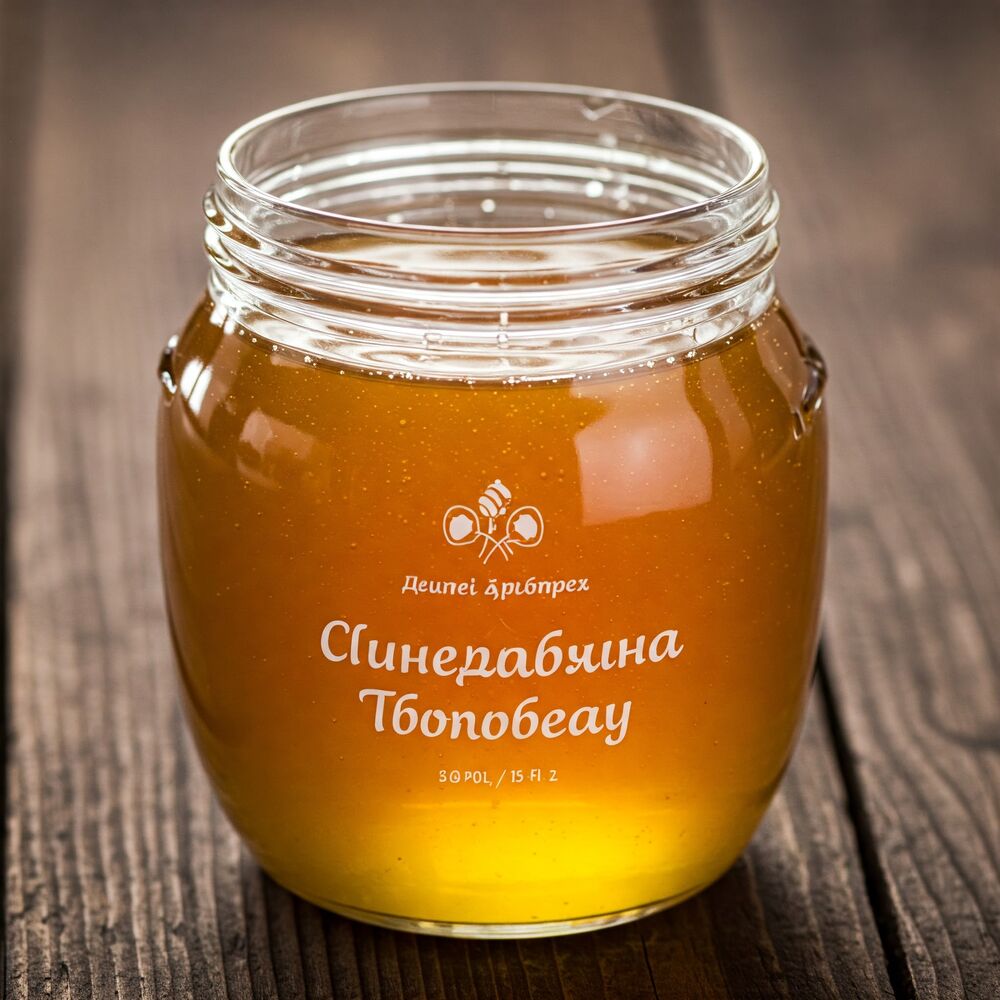
Honey is known for its natural sweetness and health benefits, but it can also cause allergic reactions. In this article, we will discuss the precautions to take regarding honey-related allergies, especially the effects on babies. We will also introduce safe and recommended sweeteners that can be used instead of honey. We will learn how to reduce the risk of honey allergies and share ideas for the whole family to enjoy sweetness without worry. We will also suggest more specific countermeasures, including actual inquiries received from our readers. Let's understand how to use honey safely and explore tips for incorporating it into your life.
table of contents
-
The allure and hidden dangers of honey
-
Health benefits of honey
-
The risks of honey
-
-
Causes and symptoms of honey allergy
-
The main cause of allergies
-
Typical allergy symptoms
-
-
Risks of giving honey to babies
-
The risk of infant botulism
-
Minimize the impact on your baby
-
-
How to choose safe and reliable sweeteners
-
Recommendations for natural sweeteners
-
Characteristics and precautions of artificial sweeteners
-
-
Diet with honey allergies in mind
-
Recipes the whole family will enjoy
-
Tips for eating out with allergies
-
-
Testimonials: Real allergy experiences
-
One family's experience
-
Expert advice
-
-
Ideas for improving your lifestyle to prevent allergies
-
Building a body that is resistant to allergies
-
The relationship between stress management and allergic reactions
-
-
Summary: Enjoy a safe and sweet life with your family
-
Article summary and key points
-
Tips for choosing sweeteners in the future
-
The allure and hidden dangers of honey
Honey is a beloved natural sweetener on many dining tables. However, it should be used with caution, especially when giving it to babies, as it can pose health risks if used unknowingly. In this chapter, we will explore the basic benefits of honey and its potential health risks in more detail.
Health benefits of honey
Honey has been loved as a precious food ingredient in many cultures since ancient times. Its appeal lies not only in its natural sweetness, but also in the various health benefits it offers. First of all, honey is rich in vitamins and minerals, and contains a well-balanced amount of B vitamins, vitamin C, calcium, magnesium, and more. These nutrients not only contribute to maintaining daily health, but also play a role in boosting the body's immune system.
Furthermore, honey is known to have antioxidant properties, which removes active oxygen produced in the body and prevents cell aging. In particular, polyphenols, which are antioxidants, are said to have the potential to reduce the risk of cardiovascular disease and cancer. For this reason, consuming an appropriate amount of honey may help promote good health.
Honey also has antibacterial properties. Studies have shown that honey is effective against certain germs. For example, honey has been said to help soothe a sore throat when you have a cold or the flu. Drinking honey in hot water, especially if you have a sore throat, can often help soothe the pain while also moistening it.
Furthermore, skin care products using honey are also gaining attention. When applied to the skin, it has a moisturizing effect and is said to be useful in improving acne and dry skin. This is because the moisturizing ingredients in honey help retain moisture in the skin, contributing to the creation of a healthy skin environment.
However, to enjoy the health benefits of honey, it is important to have the correct knowledge and consume the appropriate amount. It is especially recommended not to give honey to babies under the age of one. Therefore, it is important to incorporate the benefits of honey into your life while considering how to use it according to your age and physical condition. We recommend that you consciously incorporate honey into your daily life in order to understand the various health benefits of honey and use it as an aid to a healthy lifestyle.
The risks of honey
While honey has many health benefits, it also requires careful handling. One of the risks that can be found in honey is the presence of Clostridium botulinum. This bacterium is widely distributed in nature, and its spores are found in soil and plants. Honey can contain spores of Clostridium botulinum, which poses a serious health risk, especially to babies under the age of one.
Infant botulism is a disease in which botulinum bacteria grow in the baby's intestines and produce toxins. A baby's intestines are still underdeveloped and have a weak ability to resist botulinum bacteria, so the spores ingested from food and drink are more likely to germinate in the intestines. Symptoms include constipation, muscle weakness, loss of energy, change in crying, and poor neck control, and in the worst cases, the situation can become life-threatening. For this reason, doctors and nutritionists are instructed never to give honey to babies under the age of one.
In addition, even adults should be cautious about allergic reactions when consuming honey. Components in honey, especially pollen and certain enzymes, can trigger allergies. Symptoms of allergic reactions vary from person to person, but can range from mild symptoms such as itching and swelling to severe symptoms such as difficulty breathing and anaphylaxis. Therefore, people who are trying honey for the first time or who have a history of allergies should try it with caution.
Additionally, excessive honey intake must also be considered. Honey is a high-sugar, high-calorie food. Excessive intake of honey can lead to weight gain and increased risk of diabetes. Therefore, when consuming honey, it is important to limit the amount consumed and consider the balance with other foods.
As you can see, while honey has wonderful health benefits, it also has some risks that require caution. It is especially important for babies and people with allergies to handle honey with the proper knowledge. In order to enjoy honey, it is necessary to understand the risks and use it with care.
Causes and symptoms of honey allergy
Honey allergies are not common, at least not to the extent that most people face them, but they can cause serious reactions in some people. In this section, we'll delve into the causes and typical symptoms of honey allergies.
The main cause of allergies
There are several factors that can cause honey allergies, but the main factors that stand out are the pollen and certain enzymes contained in honey. First of all, pollen is collected by bees from flowers when harvesting honey. This pollen contains a mixture of pollen from many plants, so it can be an allergen for some people. In particular, people with hay fever can also have an allergic reaction to honey. Symptoms of pollen allergies include sneezing, runny nose, and itchy eyes, and consuming honey can worsen these symptoms.
Secondly, certain enzymes contained in honey can also cause allergies. These enzymes are naturally produced by bees as they process nectar, and some people are sensitive to them. Allergic reactions vary from person to person and can range from mild itching and redness to serious conditions such as severe breathing difficulties and anaphylaxis. Therefore, people with a history of allergies or those trying honey for the first time should be especially careful.
Furthermore, it is said that the sugar contained in honey itself can cause allergic reactions. Recent research has reported cases where an abnormal immune response occurs in response to certain types of sugar, which can cause allergies. This type of allergic reaction is often experienced for the first time, and it is possible that an allergy is occurring without the person even realizing it.
To reduce the risk of allergies, it is recommended to try honey in small amounts the first time you try it. It is also important to know your own allergy history and gain a deeper understanding of foods that may be allergens. Because allergic reactions are difficult to predict, it is important to consult with a medical professional and make safe choices based on accurate information. To enjoy the health benefits of honey, it is necessary to understand the risks and use it carefully.
Typical allergy symptoms
Symptoms of honey allergies vary depending on the individual's constitution and the severity of the allergy, but it is important to know the typical symptoms that are commonly seen. In the early stages, the reaction is often mild, such as itching, swelling, and discomfort in the mouth and throat. These symptoms often appear immediately after ingesting honey.
Furthermore, as the allergic reaction progresses, symptoms similar to hay fever, such as a runny nose and sneezing, may appear. Conjunctivitis may also occur, with itchy and red eyes, which can be very uncomfortable. This type of reaction is particularly common in people who are sensitive to pollen.
However, severe reactions can occur, including difficulty breathing and chest tightness. These symptoms are specifically associated with an acute systemic reaction called anaphylaxis. This can cause asthma-like symptoms and make it difficult to breathe, so immediate medical attention is required. If you experience these symptoms, it is important to seek medical attention immediately.
Allergic reactions may also manifest as redness or hives on the skin. A sudden rash or swelling may be a sign of an allergy. These skin symptoms are not only unpleasant to look at, but they can also be very stressful because they are accompanied by itching.
These symptoms vary depending on individual constitutions and allergy test results, but if you feel any abnormalities in your body after consuming honey, we recommend that you undergo an appropriate allergy test. Caution is especially required for those with a history of allergies or when trying honey for the first time. In order to enjoy honey safely, it is important to understand your health condition and be sensitive to allergic symptoms. It is important to have the appropriate knowledge and incorporate honey into your diet safely and without straining yourself.
Risks of giving honey to babies
Honey is a healthy food for adults, but it poses significant health risks to babies. Here we provide information on the effects and risks of honey on babies and how to raise them safely.
The risk of infant botulism
Infant botulism is a serious disease specific to babies under 1 year old, and honey can cause it. This disease occurs when the botulinum spores contained in honey grow in the baby's intestines and produce toxins. Babies require special care because their intestinal environment is underdeveloped, which allows the botulinum bacteria to survive and grow.
The early symptoms of this disease include constipation, loss of energy, and loss of appetite. If your baby does not have regular bowel movements or seems less energetic than usual, it's time to pay attention. As the condition progresses, your baby may develop neck stiffness and muscle weakness. These symptoms can have serious implications on your baby's health and require immediate medical intervention.
Once infants develop infant botulism, they are at risk of having difficulty breathing and developing severe neurological symptoms. If this condition persists, it can be life-threatening unless proper treatment is given, so it is a disease that parents and guardians should be extremely vigilant about. If infection is detected, antitoxin therapy and hospitalization are often required, so it is essential to arrange for prompt medical care.
Furthermore, prevention is paramount when it comes to infant botulism. Although honey is loved by many people for its unique flavor and health benefits, the basic rule is that it should never be given to babies under the age of one. In particular, botulism bacteria can be lurking in soft-boiled eggs and homemade foods, so care must be taken when handling and cooking ingredients.
To protect your baby's health, it is important to avoid foods containing honey. By being knowledgeable and making the right decisions, you can reduce the risk of developing infant botulism. As a parent, you are required to pay close attention to your baby's diet and raise awareness of how to protect your baby's health.
Minimize the impact on your baby
Careful consideration is needed to minimize the impact on babies, especially with regard to their diet. First of all, the most basic measure is to not give honey to babies under the age of one. Although many people prefer honey as a natural sweetener, it is important to understand that babies' intestinal environment is still immature and therefore at high risk from botulism. For this reason, foods that may contain honey should be avoided.
In addition, we recommend that you pay close attention to the food your baby eats and choose commercially available products. If you are providing homemade meals at home, you need to be particularly careful about the selection and storage of ingredients. It is important to thoroughly cook raw ingredients to prevent the growth of bacteria and microorganisms. It is also important to pay attention to the washing and storage of ingredients and to manage them properly.
It is also important to keep the environment around the baby clean. In particular, keeping dishes and cooking utensils clean and maintaining hygiene can reduce the risk of infection. Be sure to clean areas where your baby plays and where you store food.
In addition, it is also effective for parents and guardians to deepen their knowledge about allergies themselves. It is a good idea to share information with family members and people around you so that they do not accidentally give honey to babies. Raising awareness to protect the health of babies is very important for prevention.
Finally, it is important to seek medical attention immediately if you experience any symptoms that concern you. Early intervention in treating any changes in your baby's health will increase the chances of avoiding serious consequences. Living your daily life with knowledge and caution, putting your baby's health first, is key to minimizing infant botulism and other health risks.
How to choose safe and reliable sweeteners
By using safe and reliable alternatives to honey, the whole family can enjoy sweetness. Here we introduce alternative sweeteners that can provide delicious flavors without using honey.
Recommendations for natural sweeteners
Natural sweeteners are a very popular alternative to honey and are a recommended healthier option. Here we will introduce some natural sweeteners and discuss their characteristics and how to use them.
First, there is maple syrup. Maple syrup, a specialty of Canada, is made from the sap of sugar maple trees. It has a unique flavor and sweetness, and is commonly enjoyed as a topping for pancakes and waffles. It is also rich in vitamins and minerals, and has antioxidant properties, so it is attracting attention for its health benefits. Its versatility in use in cooking and baking is also appealing.
Next, let's look at agave syrup. Agave syrup is a sweetener extracted from the agave plant and is known as a low GI food. It has the property of slowing down the rise in blood sugar levels, making it an option for those who are concerned about their sugar intake. It has a light taste and is easy to mix into a variety of drinks and desserts.
Additionally, coconut sugar is another excellent natural sweetener. This sweetener, extracted from coconut flowers, has a caramel-like flavor and adds a deep flavor to dishes and sweets. It is also rich in minerals and is considered to be highly nutritious. It can be used in baked goods and cooking in the same way as sugar, and is suitable for a wide range of dishes.
Finally, stevia is another sweetener that should not be forgotten. Stevia is a plant native to South America, and the sweetener extracted from the leaves is very low in calories, making it popular among diet-conscious people. Although it is natural, it is very sweet, so you need to be careful about the amount you use at one time. By using it in drinks and desserts, you can enjoy sweetness while keeping calories down.
These natural sweeteners are not only a good substitute for honey, but they also add color to a variety of meals. Why not try incorporating them into your healthy diet?
Characteristics and precautions of artificial sweeteners
Artificial sweeteners are made to reduce the calories in products and enhance their sweetness. Typical synthetic sweeteners include aspartame, sucralose, and saccharin. These sweeteners can be an attractive option for those who want to reduce sugar intake or are dieting, but it is important to understand their characteristics and precautions.
Aspartame is one of the most widely used artificial sweeteners. It is extremely sweet, about 200 times sweeter than sugar. It is used in a variety of products, including beverages, desserts, and yogurt, but caution is required as some people may have allergic reactions to this ingredient. It is also said that people with a certain genetic disease called phenylketonuria should avoid consuming it.
Sucralose is a sugar-based artificial sweetener whose sweetness does not change even when heated, making it suitable for cooking and baking. It is 600 times sweeter than sugar and generally is not absorbed by the body, so it has the advantage of being zero calories. However, some research has shown that excessive intake can disrupt the intestinal balance, so it is advisable to properly manage the amount used.
Saccharin is one of the oldest artificial sweeteners in history, and is 300 times sweeter than sugar. It is used in a variety of products due to its zero-calorie properties, but some research has raised concerns about its effects on health. For this reason, opinions on saccharin can be divided.
Although artificial sweeteners have some benefits, there is currently not enough research on their long-term intake. If you are concerned about your health, it is important to observe your own physical condition and reactions and use them in moderation. Understanding the characteristics of artificial sweeteners can help you make healthier choices.
Diet with honey allergies in mind
If you have family members with honey allergies, you need to think carefully about what you include in their diet. This section offers some suggestions for allergy-friendly dietary changes.
Recipes the whole family will enjoy
Here is a recipe for the whole family to enjoy: a "fruit yogurt parfait" made without honey. This recipe is delicious and can be enjoyed by both children and adults. It also looks gorgeous and is easy to prepare, making it perfect for a special snack or breakfast.
【material】
- 300g plain yogurt
- Your favorite seasonal fruits (bananas, strawberries, kiwi, blueberries, etc.)
- Nuts (almonds, walnuts, etc., as desired)
- Maple syrup or agave syrup (optional)
- Granola (as needed)
【How to make】
1. First, wash the fruits thoroughly and cut them into bite-sized pieces. It is best to thinly slice the bananas and cut the strawberries in half. Peel and cut the kiwis.
2. Next, prepare a large glass or clear container. Spoon some plain yogurt into the bottom of the container.
3. Place colorful cut fruits on top of the yogurt, then sprinkle nuts on top. The nuts add texture and increase the nutritional value.
4. Then, add granola to give the parfait a light texture. Finally, add maple syrup or agave syrup to balance the overall flavor.
This fruit yogurt parfait is fun because you can choose different fruits and sweeteners to suit the season and your family's preferences. It is a nutritious and visually beautiful dish. Everyone from small children to adults can enjoy making it together, which also creates a time for family communication. Please try incorporating it into your dinner table and enjoy a healthy and delicious meal.
Tips for eating out with allergies
There are a few important things to keep in mind in order to enjoy eating out while considering allergies. First of all, it is essential to gather information beforehand. It is a good idea to check the menu of the restaurant in advance and find out whether they can accommodate allergies. Many restaurants post information about allergies on their websites, so use this to gather the necessary information.
Next, when you actually visit, it is important to clearly inform the staff about your and your family's allergies. In particular, by specifically explaining which ingredients are allergens, you can encourage them to be careful when cooking and serving the food. Also, when ordering food, it is a good idea to check the cooking method of the food and whether it comes into contact with other ingredients.
When doing so, it's a good idea to ask about the restaurant's policy regarding allergies and their awareness and consideration. If the restaurant has a good understanding of allergies, you can trust them and enjoy your meal there.
Additionally, to expand your options when eating out, look for specialty restaurants that offer allergy-friendly menus. For example, restaurants with gluten-free or vegan menus often take allergies into consideration.
Eating out is a fun time with your family, so by making proper preparations and checking everything, you can enjoy it without worry. Be aware of and considerate of allergies, and make efforts to enjoy eating out to the fullest.
Testimonials: Real allergy experiences
We will provide our readers with more realistic information through actual consultations and personal experiences regarding honey allergies. The voices of people who have actually experienced it provide useful advice.
One family's experience
I would like to share the experience of one family. Both the husband and wife in this family have allergies, so they are particularly careful about what their children eat. On the day of their child's first birthday, the family gathered together with their relatives and held a lavish birthday party.
The menu for that day included homemade cakes and sweets, especially desserts made with honey. The family made sure to prepare everything the child could eat, but they forgot that the birthday cake also contained honey. As they were celebrating, the relatives exclaimed, "This cake is delicious!", showing the child the cake, which looked very appealing.
So the parents quickly realized the situation and stopped giving the cake to their child. The people around them understood and praised the family for their carefulness. This experience provided the parents with an opportunity to further deepen their awareness of allergies and to educate their relatives about its importance.
As a result of this contact, the family resolved to be more careful in the future, especially when eating out or attending events, and to check for allergies in advance. They also started sharing new allergy-friendly recipes so that the whole family can enjoy meals without worry. Their experience is an example that teaches us how important it is to be aware of allergies and make the right decisions.
Expert advice
Expert advice on allergies is invaluable, especially for families with children. First of all, doctors and nutritionists agree that families with allergies need to be very careful and prepare well for everyday meals and when eating out. It is especially important to plan in advance how to handle certain foods if you have an allergy to them.
Specific advice includes checking food labels. Many products have allergen labels, which tell you what ingredients you or your children should avoid. When eating out, it's important to check the menu in advance and be sure to discuss any allergies with the chef. Clearly informing staff of your allergies will increase the chances of a safer meal being served.
In addition, because reactions to allergies vary from person to person, it is recommended that you undergo regular medical examinations and allergy tests. This will allow you to learn about your specific allergens and take measures as necessary. In particular, for young children, their allergies may improve as they grow, so it is important to continue to monitor the situation.
By following the advice above, your family members with allergies will be able to live their daily lives with peace of mind. Having the right knowledge is the first step towards a healthy and enjoyable diet.
Ideas for improving your lifestyle to prevent allergies
Allergy prevention is possible in everyday life. Let's look at some concrete ideas and habits to help you do so.
Building a body that is resistant to allergies
Daily lifestyle habits are important for building a body that is resistant to allergies. First of all, you can boost your immune system by eating a balanced diet. A diet that includes fresh vegetables and fruits, whole grains, and good sources of protein provides plenty of nutrients that strengthen the body. Foods that are especially rich in antioxidants help support a healthy immune system.
In addition, moderate exercise is also effective. Exercise improves blood circulation, reduces stress, and improves immune function. It is recommended to incorporate light jogging, walking, and strength training several times a week.
Also, don't forget to get enough sleep. Lack of sleep weakens the immune system, so it's important to maintain a regular lifestyle and get good quality sleep. Stress management is also a factor that affects allergies, so be sure to take care of your mental health by finding relaxation techniques and spending time on hobbies.
By practicing these lifestyle habits, you will be able to build a body that is resistant to allergies. Building a solid foundation for a healthy life is also an effective way to deal with allergies.
The relationship between stress management and allergic reactions
The relationship between stress and allergic reactions has been highlighted in recent research. When we are under stress, our bodies secrete stress hormones such as cortisol. This has been shown to affect the immune system and make us more susceptible to allergic reactions. In particular, it has been found that people who are under chronic stress tend to have worsening allergic symptoms.
Managing stress can help improve allergy symptoms, so it's important to incorporate relaxation techniques into your daily life. For example, deep breathing, meditation, and yoga are effective ways to calm the mind. Engaging in hobbies and activities can also reduce stress and improve your physical and mental health.
If you suffer from allergy symptoms, we recommend that you focus on stress management and find ways to relax that work for you. Balancing your mental and physical health will help you to increase your resistance to allergies.
Summary: Enjoy a safe and sweet life with your family
This is a summary of how to enjoy sweeteners safely while understanding honey and the risks of allergies. Let's start a new daily life that incorporates alternatives to honey.
Article summary and key points
In this article, we have summarized important information about honey and its allergies. Although honey has many health benefits, it should be avoided at all costs, especially for babies under one year old, due to the risk of infant botulism. In addition, people with honey allergies are often allergic to pollen or enzymes, and allergic symptoms range from mild to severe. In order to think about safe meals that the whole family can enjoy, it is important to choose natural sweeteners and allergy-friendly ingredients. In addition, stress management also affects allergic reactions, so maintaining physical and mental health is important. With the right knowledge, you can enjoy your diet with peace of mind.
Tips for choosing sweeteners in the future
When choosing sweeteners in the future, it is important to first consider your own and your family's health conditions. In particular, if there are people with allergies, you need to make a selection that takes that into consideration. Among natural sweeteners, maple syrup and agave syrup are rich in nutrients and are relatively safe options to use.
In addition, when using synthetic sweeteners, it is important to understand their various characteristics and effects before making a selection. While they have the benefit of being calorie-free, it is important to manage the amount you consume. When cooking or baking, it is a good idea to use a balanced combination of sweeteners while considering the sweetness and flavor. By making health-conscious choices, you can enjoy sweet things without worry.
NEW
Why should you buy health foods online? A thorough explanation of the reasons and benefits.
query_builder 2026/07/13[Must-see!!] The hidden power of black garlic! A thorough explanation of S1PC's anti-aging effects.
query_builder 2026/06/18Black GarlicBlack GarlicBeautyBeautySurprising uses for sea buckthorn in the remote region of Mongolia! Discover its appeal as a health food
query_builder 2025/12/08Sea BuckthornSea BuckthorndietdietBeautyBeautyA health ally! A thorough comparison of the nutritional components of sea buckthorn juice!
query_builder 2025/10/27Sea BuckthornSea Buckthorn